
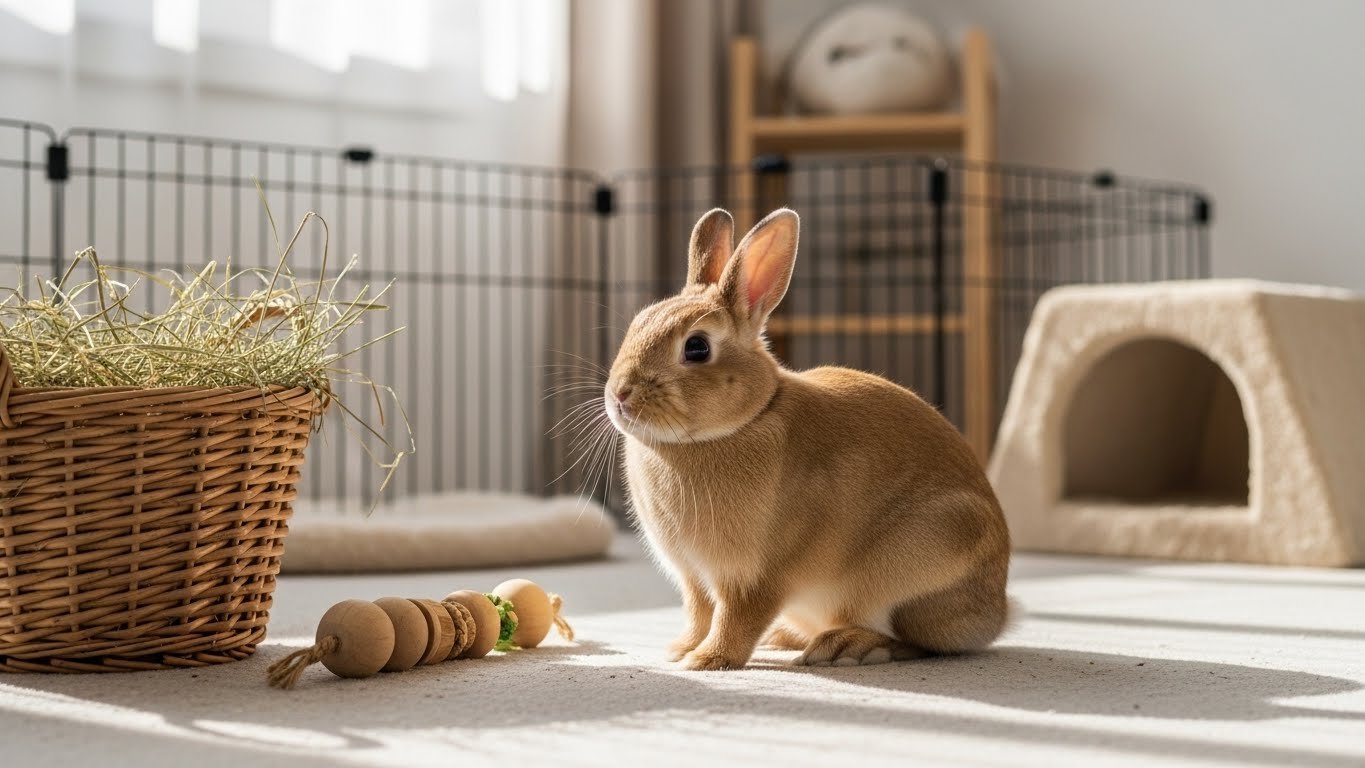
Caring for a rabbit may seem simple at first give some hay, a cute little bed, and plenty of love. But anyone who has truly lived with a house bunny knows there’s much more to raising a healthy, happy rabbit. This guide walks new owners through the essentials of rabbit care, blending practical experience, veterinarian-backed standards, and honest product insights that make daily care easier and more reliable.
Understanding What Rabbits Really Need
Before adopting a rabbit, many people imagine a low-maintenance pet that mostly keeps to itself. In reality, rabbits are highly social, sensitive animals that thrive when their environment is thoughtfully set up. The author has spent years caring for indoor rabbits, and one lesson became clear early on: a rabbit’s environment determines its happiness more than anything else.
That means choosing the right housing, diet, enrichment, and grooming supplies—ideally ones that last, stay safe, and make everyday routines smoother.
1. Creating a Safe & Comfortable Indoor Living Space
Indoor rabbits need space not a small cage, but an open area where they can hop, stretch, explore, and relax. Free-roaming is ideal, but a large playpen or exercise area works well for beginners.
Through personal experience, some playpens stand out because they’re sturdy, rust-free, and tall enough that curious bunnies can’t hop out. A well-designed exercise pen also makes cleaning easier and gives rabbits the freedom they need without making owners feel overwhelmed.
The author found that using a heavy-duty metal exercise pen (from Amazon) not only prevented escapes but stayed in great condition even after years of bunny chewing, nudging, and rearranging. It became the most dependable part of the rabbit setup.
2. Diet: The Core of a Healthy Rabbit Life
A rabbit’s digestive system is delicate. A balanced diet is simple but incredibly important:
- Unlimited fresh hay (timothy, orchard, or meadow)
- A measured amount of high-quality pellets
- Fresh vegetables daily
- Fresh water at all times
Hay quality makes a huge difference. After testing several brands, the author consistently returned to one that arrived soft, green, and fragrant rather than dusty or brown—something many cheaper options struggle with. A good hay brand can reduce digestive issues, improve litter box habits, and even help control shedding by supporting proper gut function.
When it comes to pellets, smaller-batch, timothy-based pellets have always produced better results—firmer poops, healthier weight, and a shinier coat. It’s a small upgrade that pays off noticeably.
3. Litter Training Made Easy
Most indoor rabbits litter-train naturally with the right setup. The trick is choosing a litter box that’s roomy, stable, and easy to clean.
Corner litter boxes often look cute but are usually far too small. A high-back rectangular litter box designed for rabbits works much better. After trying multiple styles, the author found that high-back designs prevent messy kick-outs and make cleaning noticeably faster.
Another must-have is a good paper-based, unscented litter. Through trial and error, it became clear that wood chips or scented litters irritated the rabbit’s nose and caused sneezing—while a high-quality paper litter controlled odor without causing health issues.
4. Enrichment & Toys: Preventing Boredom (and Chewed Furniture)
Bunnies chew it’s instinct, not misbehavior. The key is giving them safe things they should chew.
Chew toys, hay mats, tunnels, and treat puzzles keep rabbits entertained and save furniture from becoming the target. Some toys last only a day, while others keep a rabbit busy for weeks. The author particularly loved woven hay mats that stayed durable and didn’t leave sharp bits behind like some cheap alternatives. They became a daily go-to enrichment item.
A sturdy play tunnel also proved surprisingly essential—it encouraged exercise, allowed for fun hide-and-seek play, and gave a shy rabbit a sense of security. One well-built fabric tunnel survived years of zoomies and enthusiastic digging without tearing.
5. Grooming: Keeping Your Bunny Clean & Healthy
Rabbits shed heavily several times a year. Regular grooming prevents fur buildup and reduces the risk of dangerous wool block.
After testing different brushes, a gentle silicone grooming brush worked best for sensitive rabbits. Unlike metal brushes, it didn’t scratch the skin or cause irritation. It also removed far more loose fur than expected, making shedding seasons much easier to manage.
Nail trimming can feel intimidating, but a good pair of sharp, rabbit-safe nail clippers makes the process smoother and less stressful for both pet and owner. Quality really matters here—dull clippers squish the nail instead of cutting it cleanly, which rabbits dislike.
6. Bonding, Handling & Understanding Rabbit Behavior
Rabbits communicate quietly. Learning their language builds trust and helps prevent stress.
Some key signs:
- Tooth purring = happiness
- Thumping = warning or fear
- Flopping = ultimate relaxation
- Zoomies & binkies = pure joy
Through experience, the author learned that rabbits warm up when they’re allowed to approach on their own terms. Sitting on the floor with a treat, using soft voices, and allowing gentle sniffing built stronger trust than forced cuddles ever could.
A great bonding tool has been soft freeze-dried treat nuggets—easy to portion, low in sugar, and irresistible to picky rabbits. They turned training and bonding time into something both fun and effective.
7. Keeping Your Rabbit Healthy Long-Term
Routine vet care is essential. But daily habits matter just as much.
Some simple home practices make a major difference:
- Watching eating and pooping patterns
- Providing unlimited hay
- Keeping the living area clean
- Monitoring weight
- Ensuring plenty of exercise
- Using rabbit-safe cleaning products
The author learned early on that rabbits hide illness, so small changes—less hay eating, softer stools, sudden quietness—should never be ignored. Preventive care becomes much easier with a well-chosen set of supplies that support hygiene, diet, and stress-free living.
Final Thoughts
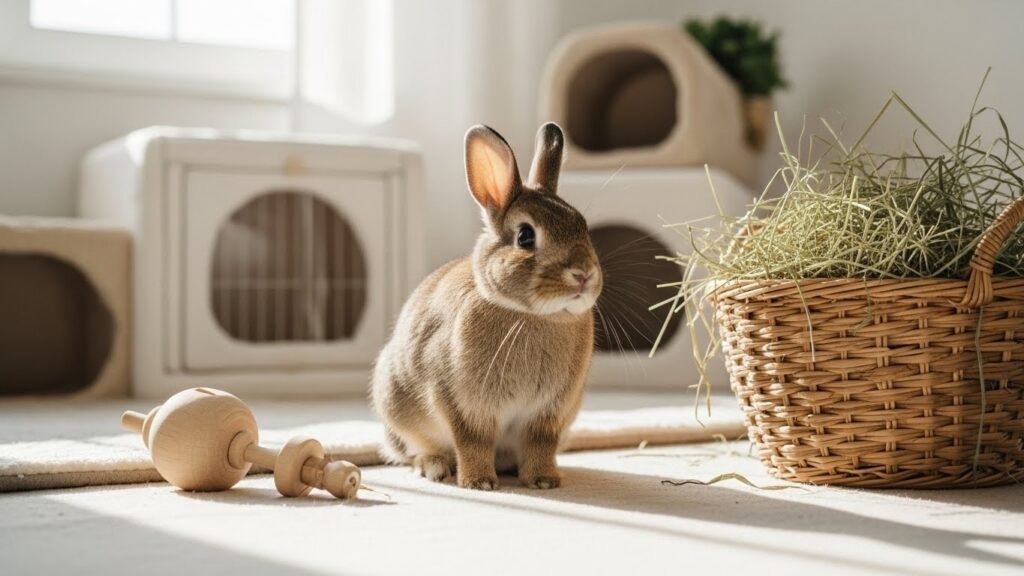
Rabbits are loving, intelligent pets that thrive with the right care. This guide was written from real hands-on experience years of learning what works, what doesn’t, and which products truly make a difference in a rabbit’s health and happiness. Every recommendation here comes from trial, error, and genuine long-term use, not sales pressure.
With the right setup, a rabbit can bring incredible joy to a home—and with a little preparation, new owners can confidently give their bunny the safe, comfortable life it deserves.