
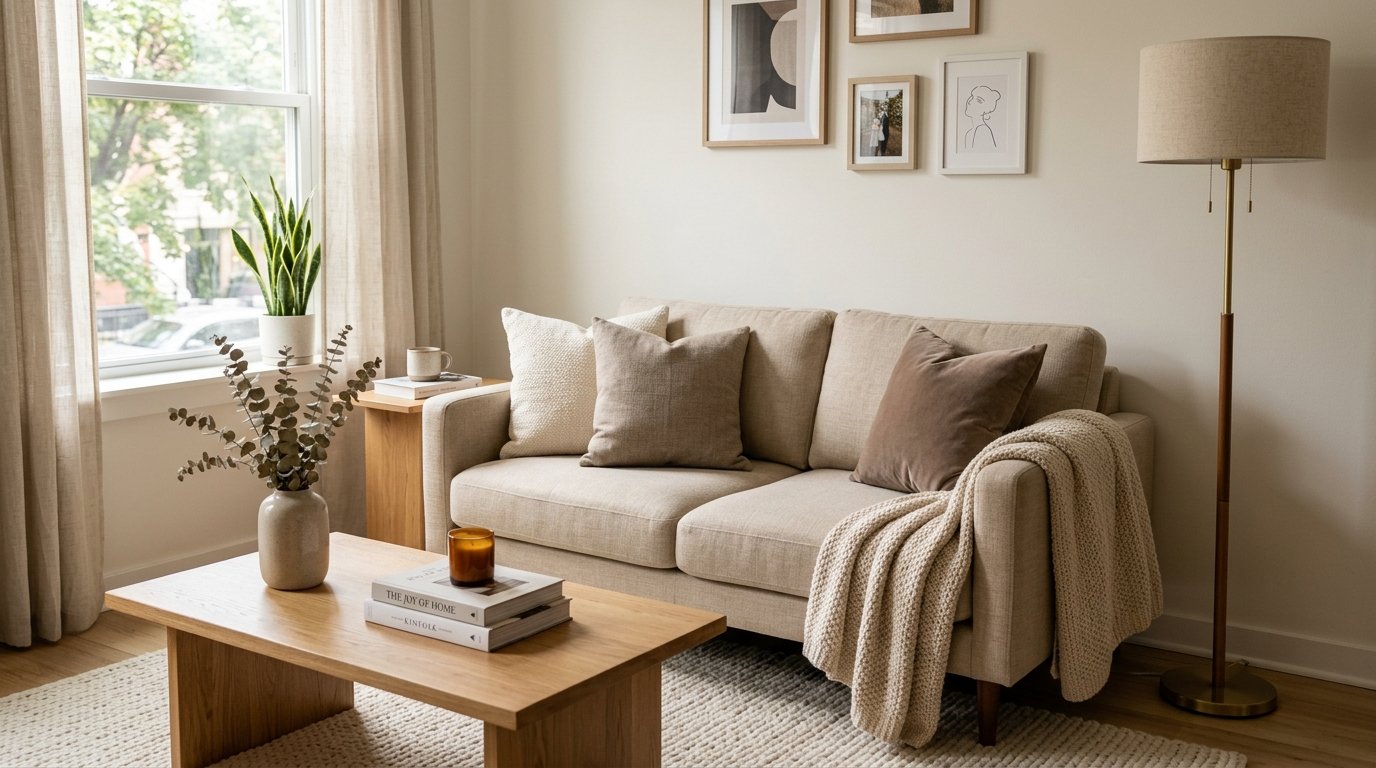
Moving into your first apartment is exciting, but decorating that completely empty living room can feel a little overwhelming.
Suddenly, you’re looking at four blank walls and wondering where the sofa should go, whether you actually need a coffee table, and how you’re supposed to make everything look pulled together without spending your entire budget.
The good news is that your first apartment living room doesn’t need to be perfect from day one. In fact, starting slowly can help you figure out what you actually need instead of buying furniture that doesn’t work with the space.
When I’m setting up a first apartment, I like to start with the basics: comfortable seating, good lighting, a rug to define the space, and a few personal details. From there, storage, artwork, plants, and smaller accessories can gradually make the room feel more complete.
Here are 11 first apartment living room ideas to help you create a space that feels comfortable, stylish, and genuinely yours.
1. Start With a Compact Sofa or Loveseat
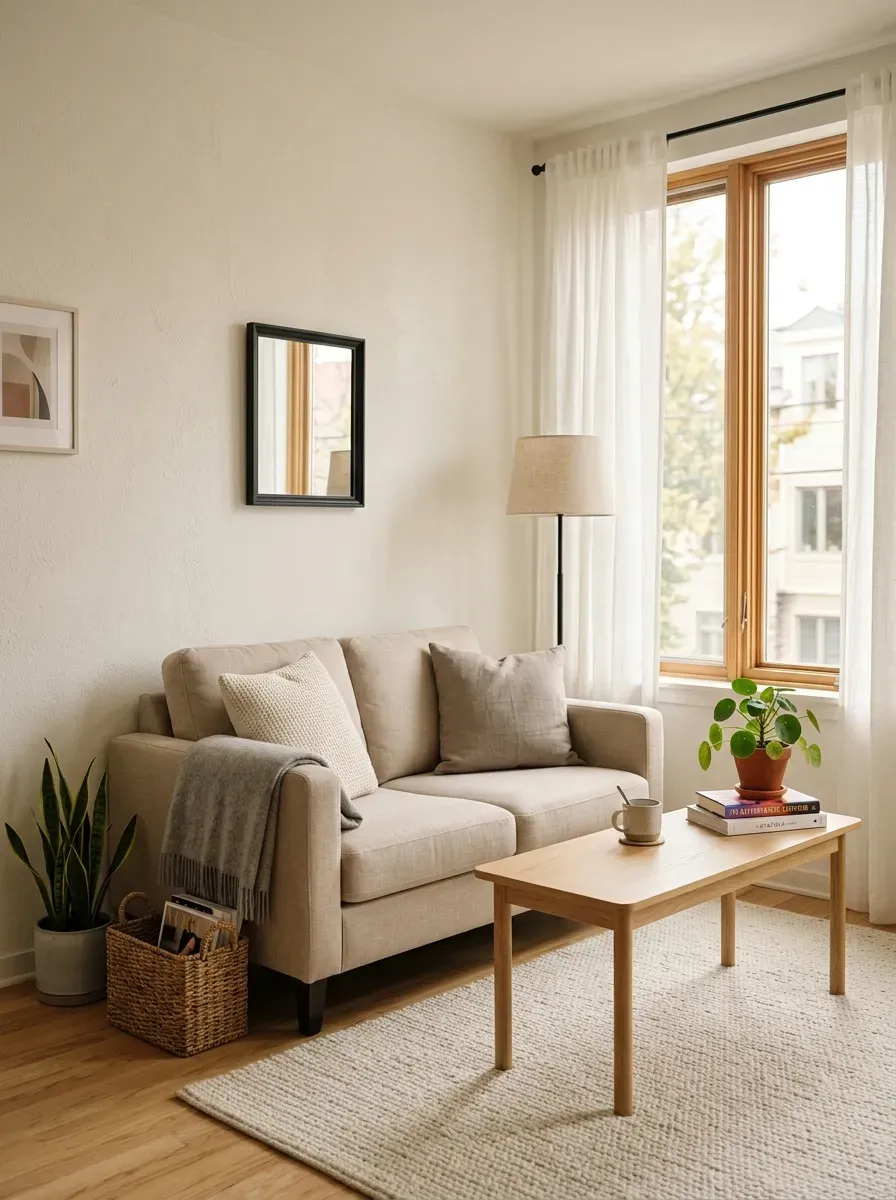
Your sofa is probably the most important piece of furniture in your first living room, so it’s worth choosing carefully.
If you’re working with a small apartment, a compact sofa or loveseat can give you comfortable seating without overwhelming the room. A loveseat is particularly useful if your living room is narrow or you’re furnishing a studio.
Before buying anything, measure both the room and the doorway. Don’t forget to check hallways, elevators, staircases, and other tight spaces the sofa will need to pass through.
I would also choose a sofa color that works with the style you want to create. Neutral beige, cream, gray, or warm brown can give you plenty of flexibility as your decor evolves.
Why You’ll Love It
- Gives the room a comfortable starting point
- Works well in smaller apartments
- Easy to decorate around over time
2. Define the Seating Area With a Rug
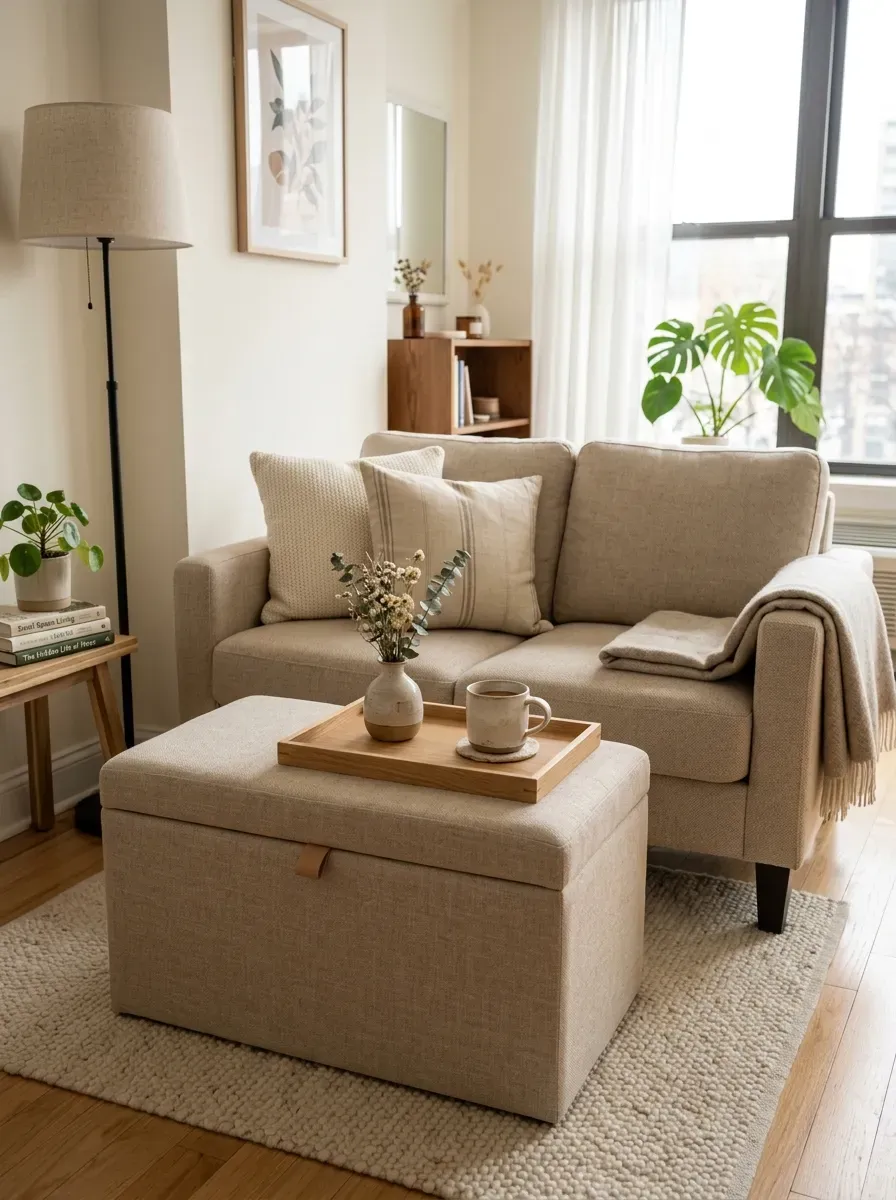
A rug can make an empty apartment living room feel finished surprisingly quickly.
It helps visually define the seating area, especially if your living room shares space with a dining area, kitchen, or entryway. Instead of making the furniture look like separate pieces floating around the room, the rug brings everything together.
For a small living room, make sure the rug is large enough to connect the main seating pieces. A rug that’s too small can actually make the room feel more disconnected.
If you’re on a budget, choose a simple neutral rug first. You can always introduce more pattern and color later.
Why You’ll Love It
- Makes the living room feel more finished
- Helps define an open-plan seating area
- Adds softness and warmth underfoot
3. Add a Multi-Functional Storage Ottoman
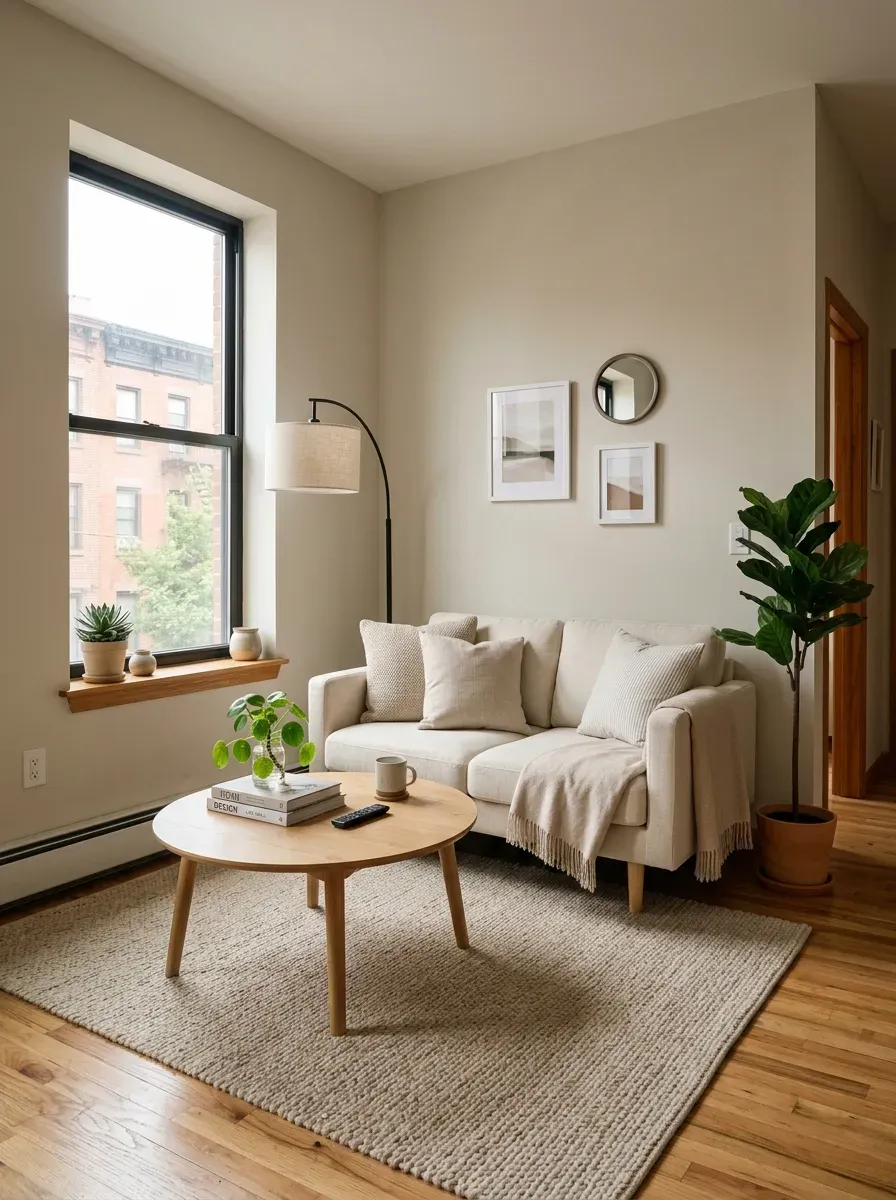
Your first apartment furniture should ideally do more than one job.
A storage ottoman can work as a footrest, extra seating, a coffee-table alternative, and hidden storage all at once. That makes it especially useful when your living room doesn’t have room for several separate pieces.
Look for an ottoman with a removable or lift-up top so you can store blankets, pillows, board games, remotes, or other living room essentials inside.
A tray on top can also give you a stable surface for drinks and decor while keeping the softer ottoman functional.
Why You’ll Love It
- Combines seating, storage, and comfort
- Helps reduce the need for extra furniture
- Great for small first apartments
4. Create a Cozy Lighting Layer
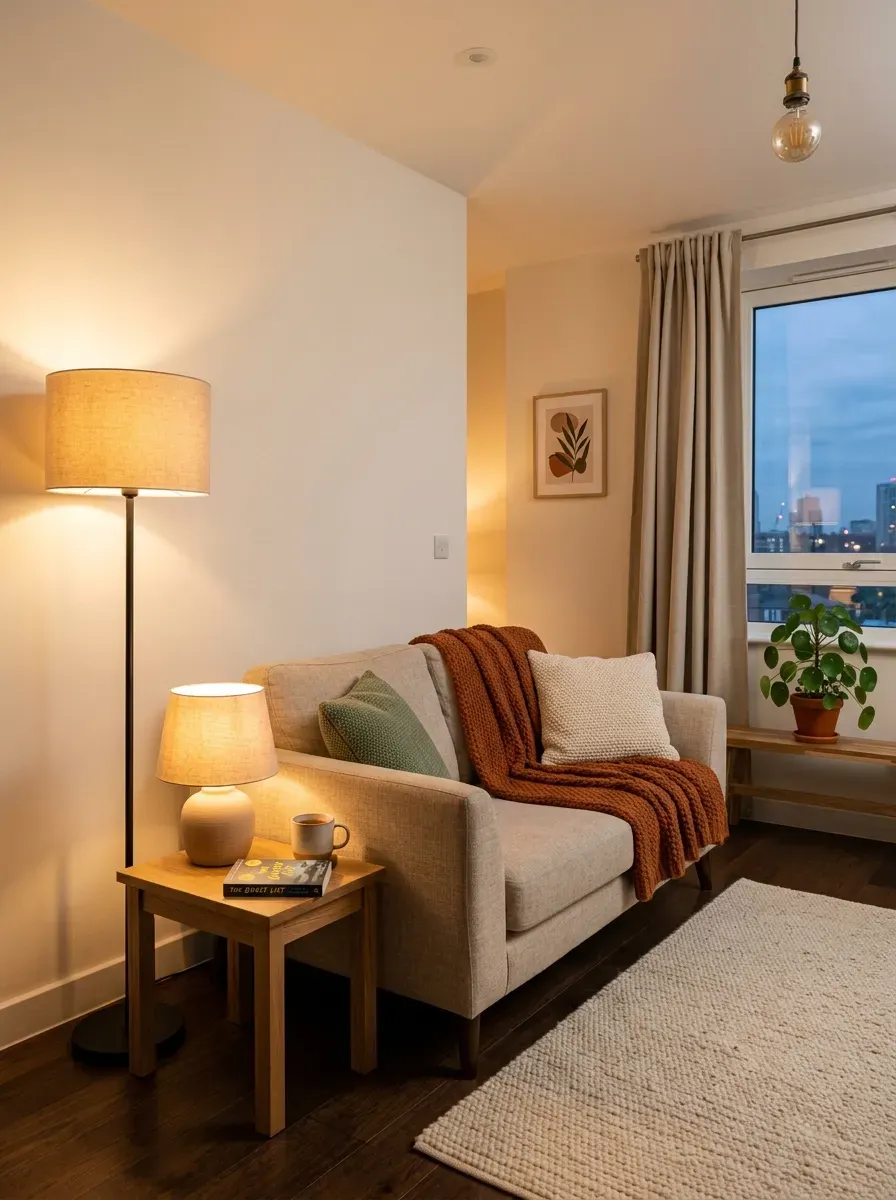
Good lighting can make a basic apartment feel much more inviting.
Instead of depending entirely on the overhead light, create layers with a floor lamp, table lamp, or small accent light. This gives you different lighting options depending on what you’re doing.
A floor lamp beside the sofa is particularly useful because it provides light for reading without requiring a large side table.
If you’re starting with a limited budget, prioritize lighting early. You can add artwork and decorative accessories gradually, but comfortable lighting can make the room feel better immediately.
Why You’ll Love It
- Makes the apartment feel warmer
- Gives you flexible lighting options
- Adds style without using much floor space
5. Choose a Slim Coffee Table
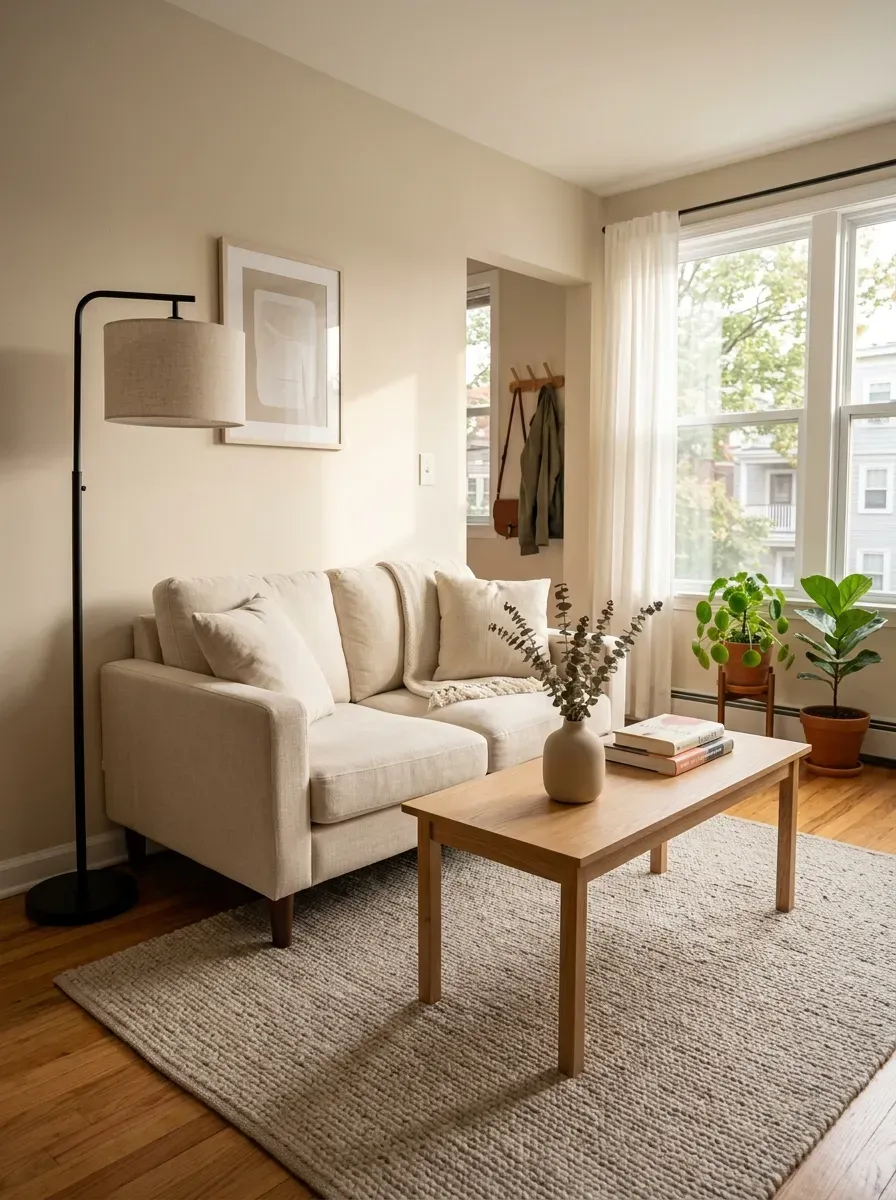
A coffee table is useful, but your first apartment probably doesn’t need a massive one.
Choose a slim table that gives you enough room for drinks, books, and a small decorative arrangement while leaving comfortable space between the sofa and surrounding furniture.
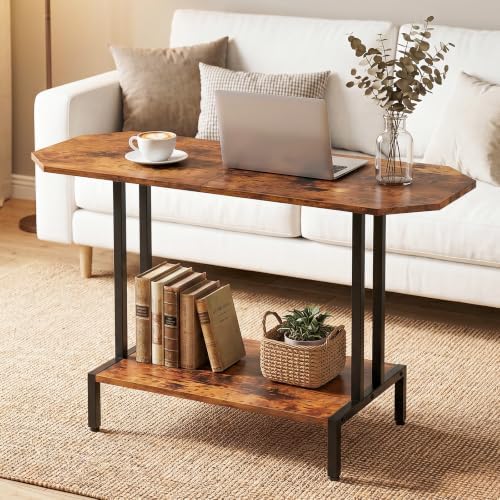


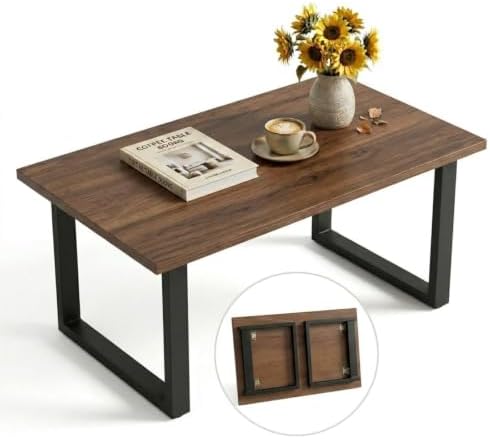
If your room is especially tight, consider a nesting table or a smaller round table. Rounded shapes can also make movement around the room easier because there are fewer sharp corners.
The important thing is to leave clear pathways. A beautiful coffee table isn’t useful if you have to squeeze around it every time you stand up.
Why You’ll Love It
- Provides useful everyday surface space
- Keeps the room visually lighter
- Leaves more room to move around
6. Add Curtains to Soften the Windows
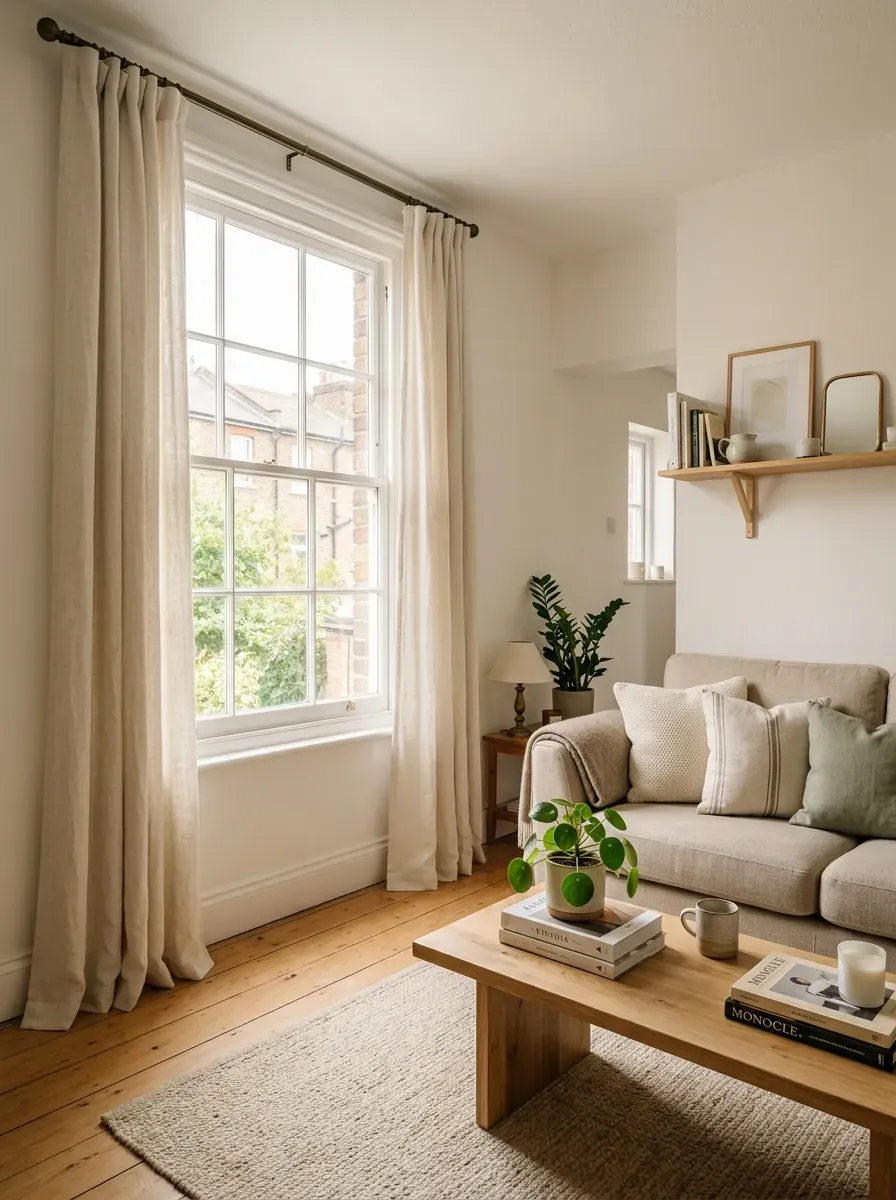
Curtains can make a surprisingly big difference in a first apartment.
They soften hard window frames, add texture, and make the room feel more finished. If possible, hang the curtain rod slightly above the window and let the panels fall close to the floor to create a taller-looking appearance.
For a flexible first-apartment look, cream, white, beige, or soft gray curtains are easy to work with.
If you already have blinds or shades, you don’t necessarily need heavy curtains. Lightweight panels can be enough to add warmth and softness.
Why You’ll Love It
- Makes windows feel more finished
- Adds softness and texture
- Can visually emphasize ceiling height
7. Use a Small Bookcase for Storage and Personality
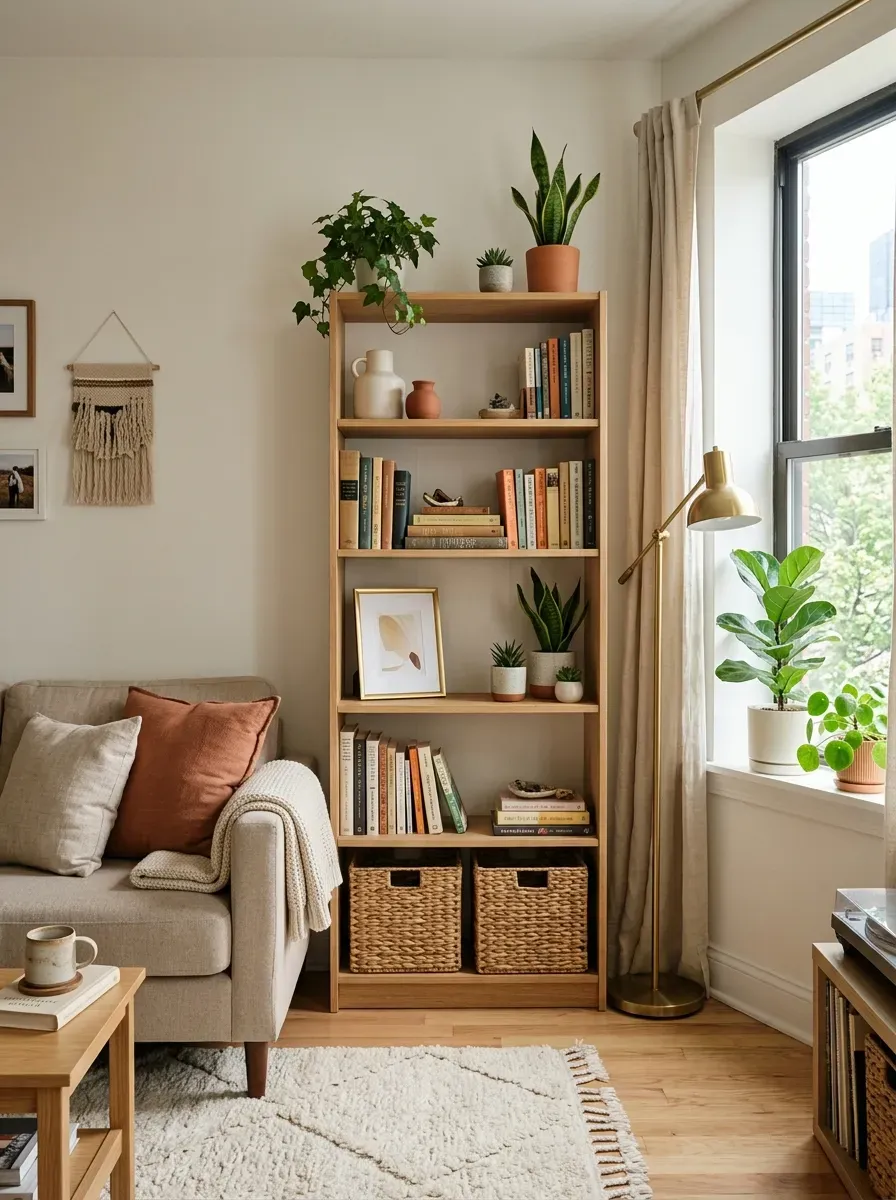
Your living room needs storage, but that doesn’t mean you need a huge entertainment center.
A narrow bookcase can give you vertical storage while also creating a place to display the things that make your first apartment feel personal.
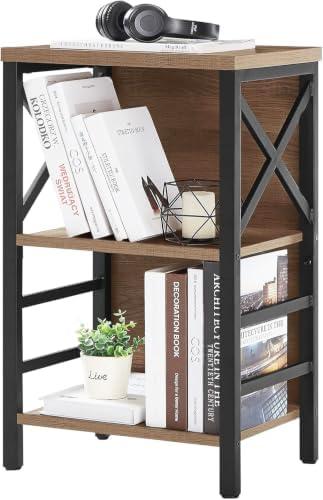
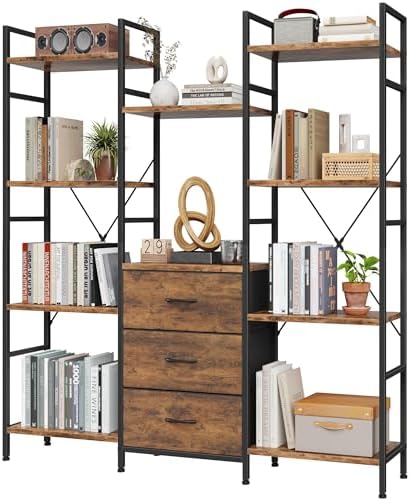

Use a combination of books, baskets, plants, framed photos, and a few decorative objects. Keep some shelf space empty so the bookcase doesn’t look overloaded.
If you need extra hidden storage, choose a bookcase with lower cabinets or use baskets on the bottom shelves.
Why You’ll Love It
- Adds vertical storage
- Gives you room to display personal items
- Works as both furniture and decor
8. Create a Simple Gallery Wall
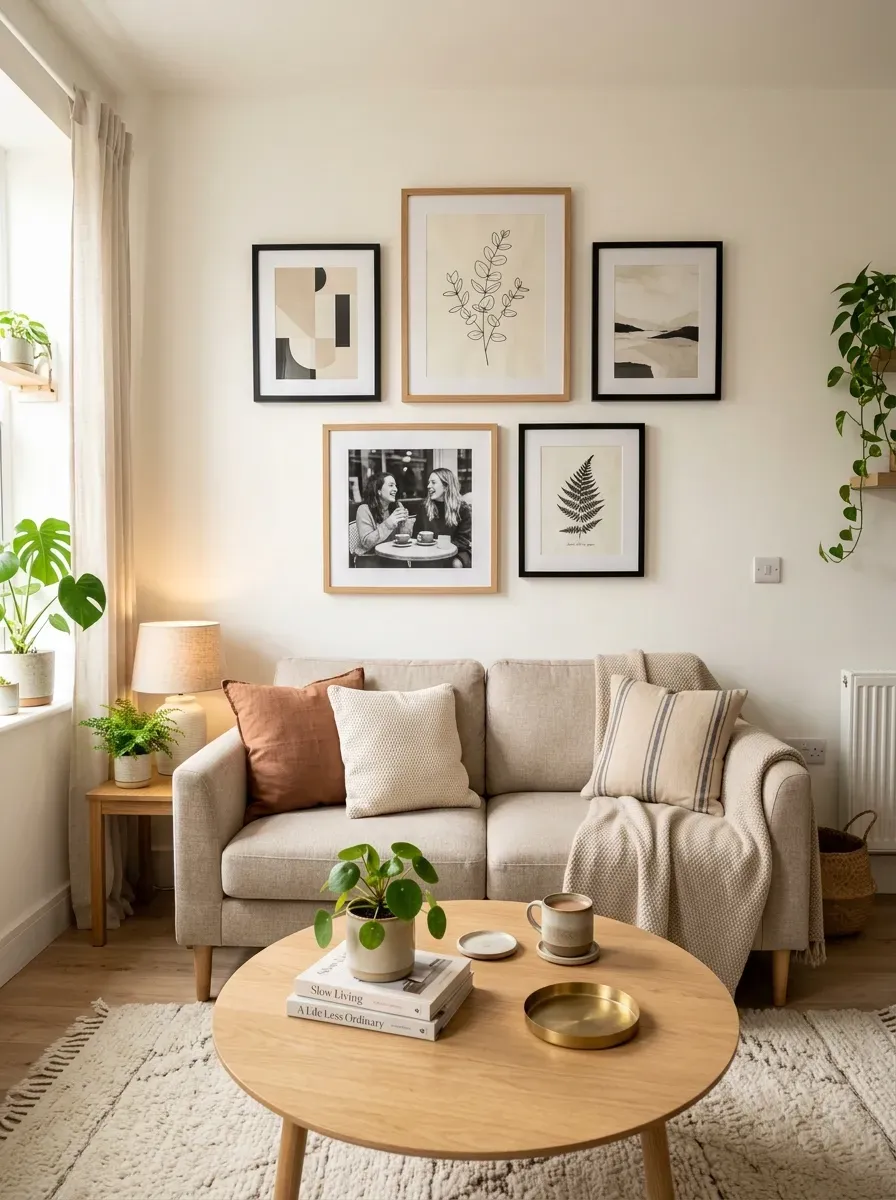
Blank walls can make a first apartment feel temporary, even when the furniture is already in place.
A simple gallery wall is an easy way to introduce personality without filling the room with additional furniture.
You don’t need expensive artwork. Mix affordable prints, photographs, postcards, or artwork you’ve created yourself. Keeping a consistent color palette can make inexpensive pieces look more cohesive.
If you’re renting, consider removable hanging solutions that are appropriate for your wall type.
Why You’ll Love It
- Makes blank walls feel intentional
- Adds personality without using floor space
- Can be created gradually as your budget allows
9. Bring in One or Two Plants
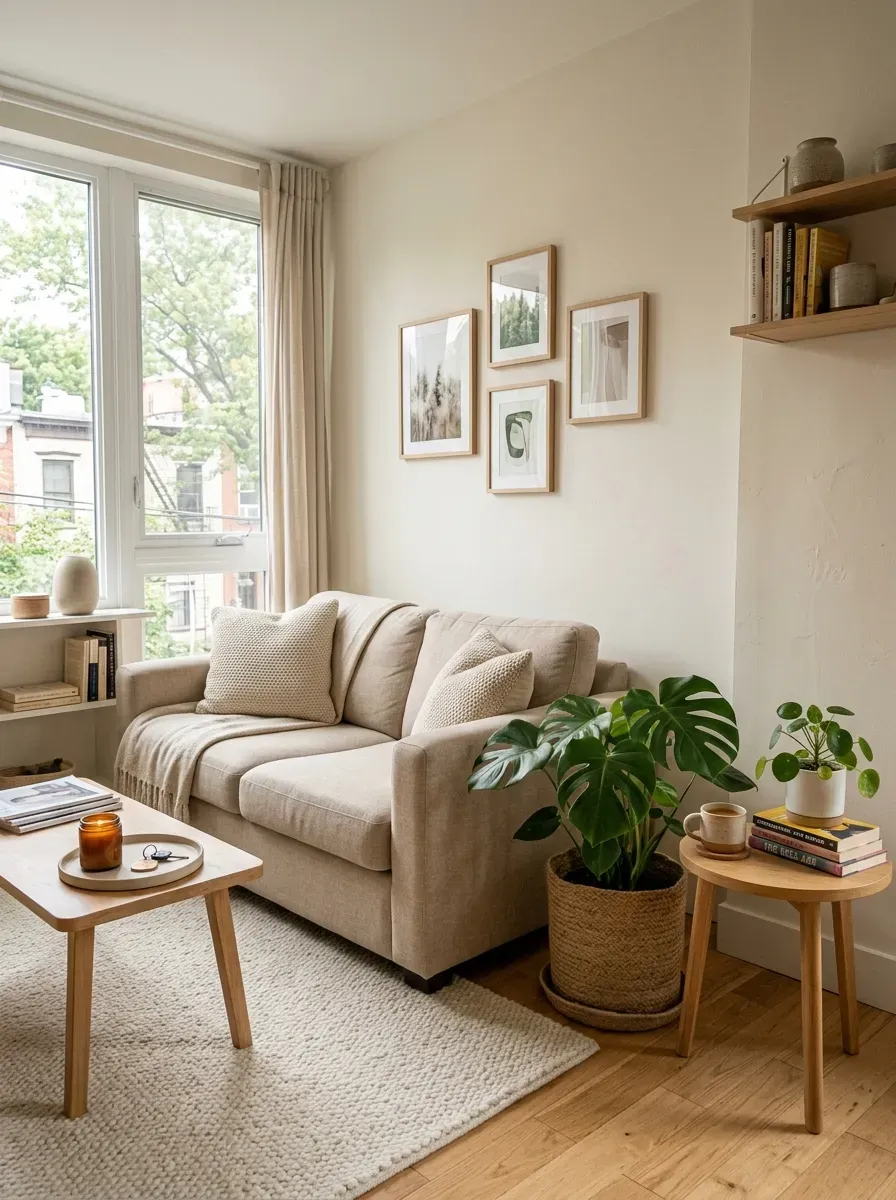
Plants can make a first apartment feel much more lived-in.
You don’t need to turn your living room into a jungle. One medium-sized plant beside the sofa and one smaller plant on a shelf or side table can be enough.
Choose plants based on the amount of natural light your apartment actually receives. If your living room is darker, look for varieties that tolerate lower-light conditions rather than choosing a plant simply because it looks good in a photo.
Simple woven, ceramic, or terracotta planters can also add texture to the room.
Why You’ll Love It
- Makes the space feel more alive
- Adds natural color and texture
- Works with almost any decorating style
10. Add Soft Textures With Throws and Pillows
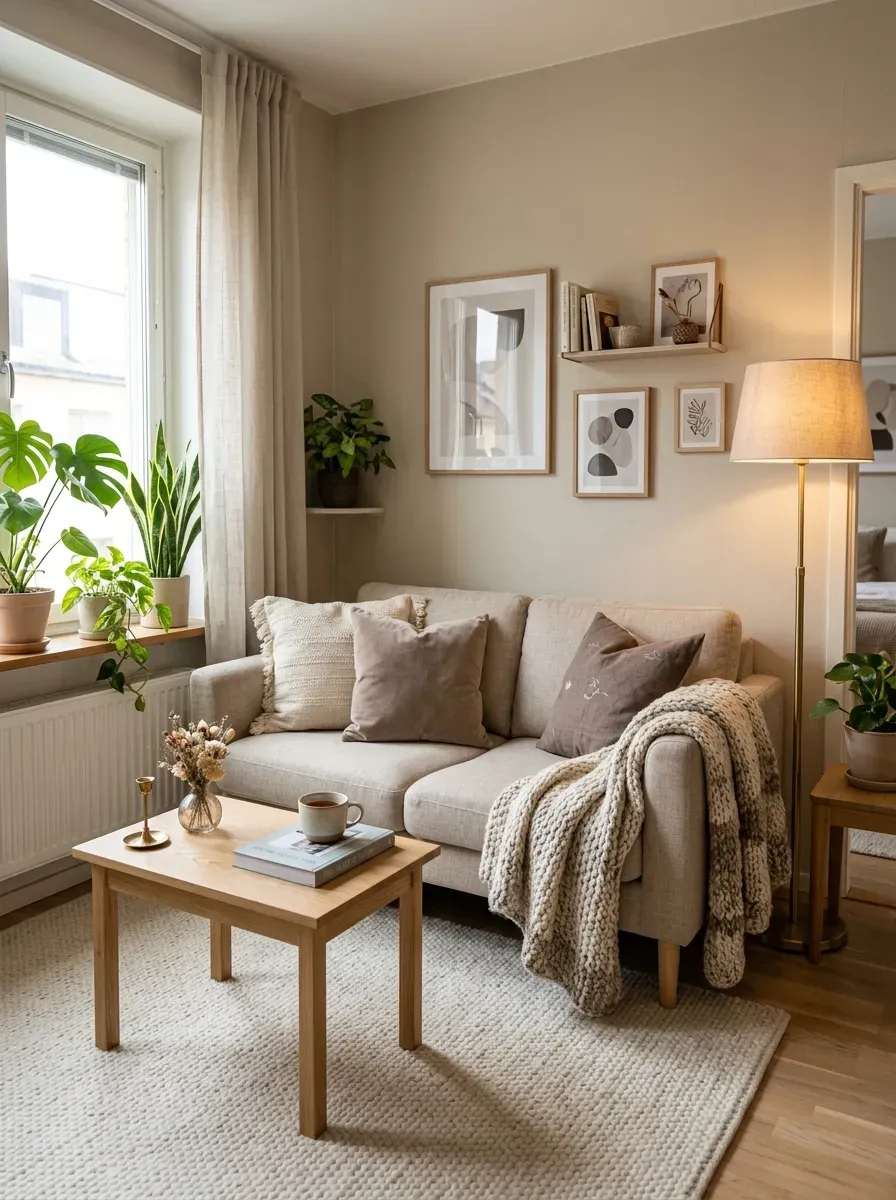
Once the basic furniture is in place, textiles are one of the easiest ways to make the room feel comfortable.
Add two or three pillows in different textures rather than buying a large collection. A knitted blanket or soft throw can add another layer without taking up much visual space.
If your sofa is neutral, you can introduce personality through color. If your sofa already has a strong color, keep the textiles simpler.
The best part is that pillows and throws are easy to change when you want to refresh the room.
Why You’ll Love It
- Makes the sofa more comfortable
- Adds color and texture
- Easy to change without replacing furniture
11. Make One Corner Your Own
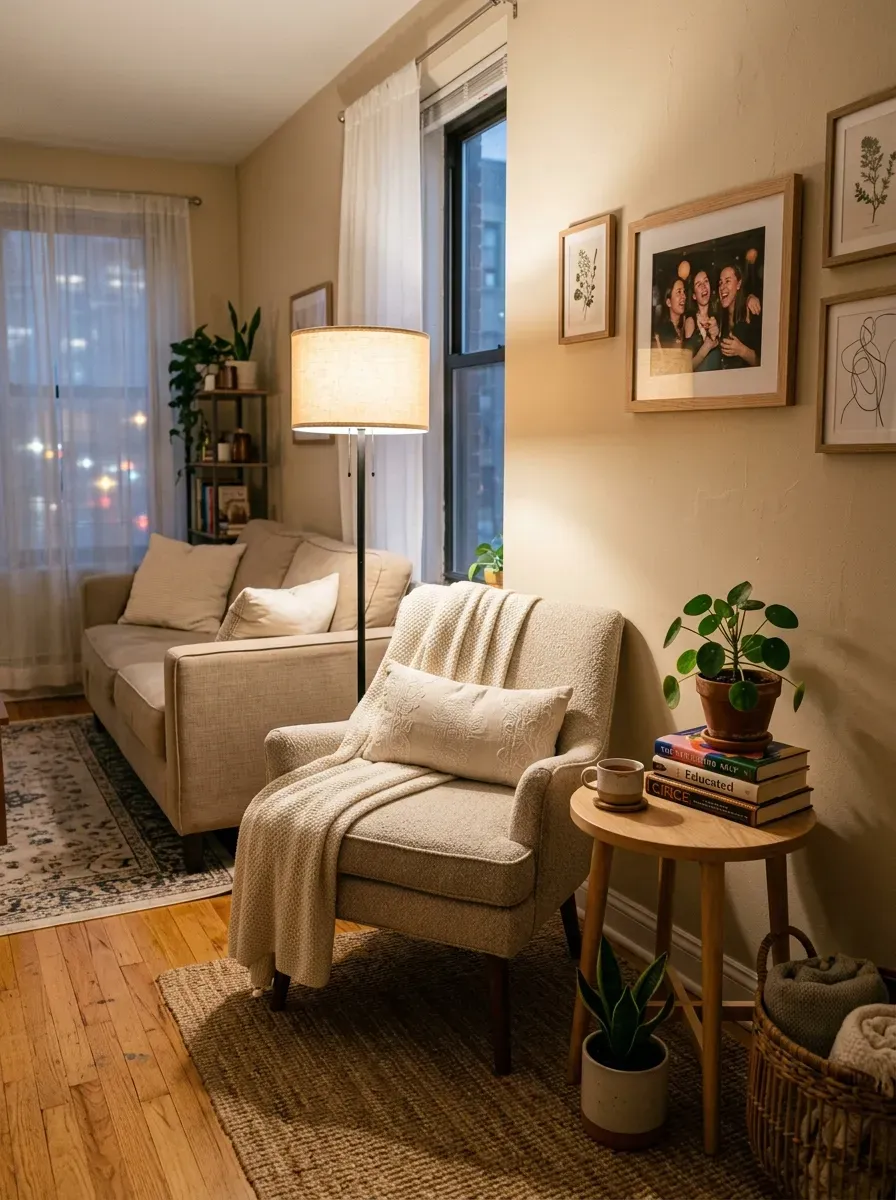
Your first apartment should feel like your home, not like a furniture showroom.
Choose one small corner and make it personal. It could be a reading chair with your favorite books, a shelf filled with travel memories, a photo wall, or simply a little table displaying objects you love.
You don’t need to buy everything at once. Some of the best first-apartment decor is collected slowly from places that mean something to you.
Give yourself permission to let the room evolve. Your first living room doesn’t need to represent your permanent decorating style.
Why You’ll Love It
- Makes the apartment feel personal
- Doesn’t require a large budget
- Allows your style to develop naturally
How to Set Up Your First Apartment Living Room
Before buying furniture, measure the room and sketch a simple floor plan. Mark doors, windows, outlets, heating vents, and other features that could affect furniture placement.
Start with the largest essential piece, usually the sofa. Then add your rug, coffee table, and lighting before moving on to decorative pieces.
Try not to buy everything in one shopping trip. Giving yourself some time to live in the room can help you understand what is actually missing.
If your budget is limited, prioritize the pieces you use every day: comfortable seating, good lighting, a rug, and practical storage. Decorative accessories can be added gradually.
You can also mix new furniture with secondhand finds, vintage pieces, and items you already own. The goal is to create a comfortable room, not a perfectly matched showroom.
How to Make Your First Apartment Living Room Feel More Expensive
You don’t need expensive furniture to create a polished living room.
Start by choosing a simple color palette and repeat those colors throughout the space. For example, cream, warm wood, black, and muted green can create a cohesive look without requiring matching furniture.
Keep the room edited. A few well-placed pieces usually look more intentional than filling every shelf and table with decorations.
Layer different textures through rugs, curtains, pillows, blankets, wood, ceramics, and plants. These details can make even basic furniture feel more considered.
Finally, pay attention to lighting. A room with warm, layered lighting often feels much more inviting than one that relies entirely on a bright overhead fixture.
Final Thoughts
Decorating your first apartment living room is less about getting everything right immediately and more about creating a comfortable foundation.
Start with the essentials, choose furniture that fits your actual space, and leave room for your style to develop over time.
A compact sofa, cozy rug, useful storage, warm lighting, a few plants, and personal artwork can turn an empty apartment into a place that genuinely feels like home.
And remember, your first apartment doesn’t have to be your forever home. Let it be a starting point — a space where you experiment, collect pieces you love, and slowly figure out what kind of home feels most like you.