
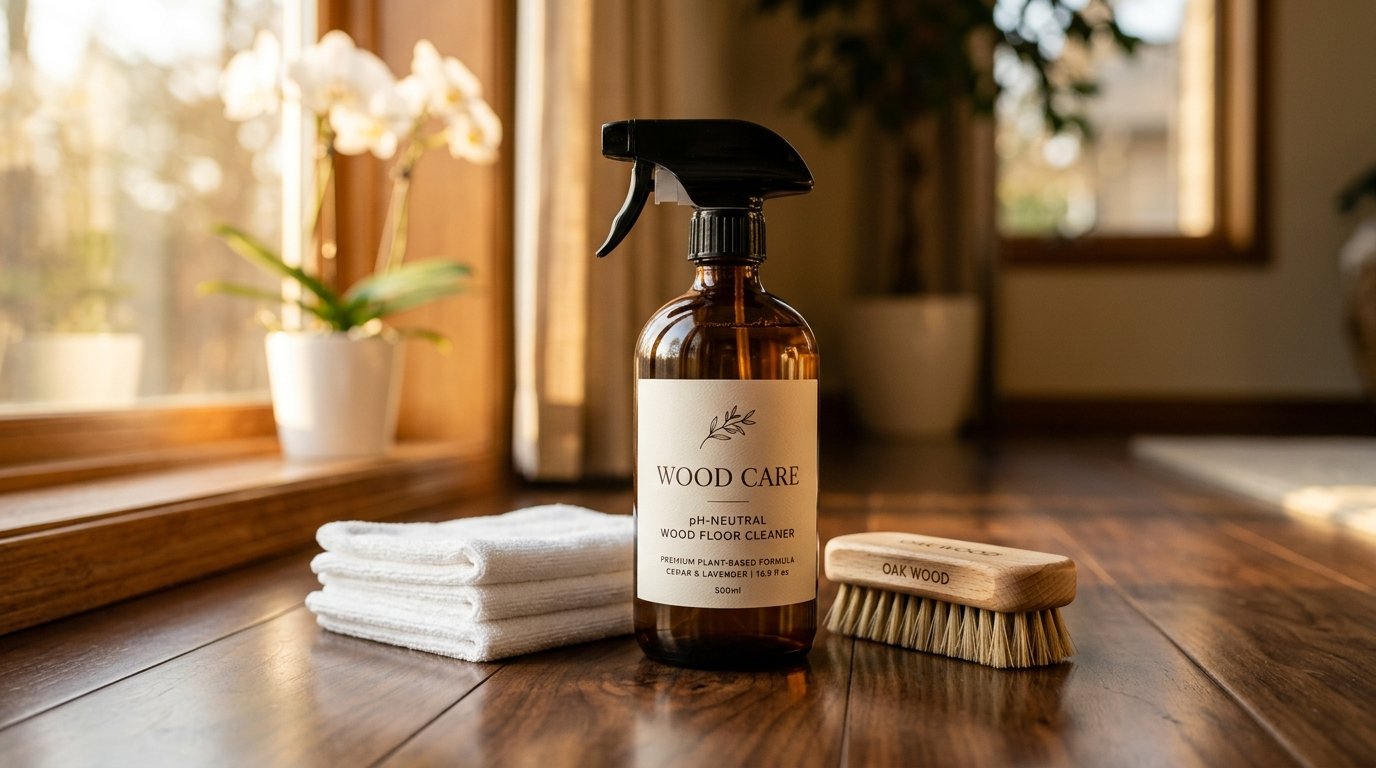
Are you tired of spending hours scrubbing your beautiful wood floors on your hands and knees, only to be left with a hazy, streaky finish the moment it dries? There is nothing that ruins the aesthetic of a carefully curated home decor setup or an elegant bedroom layout faster than dull, grimy floorboards. Achieving that coveted, glass-like shine doesn’t require backbreaking labor; it requires the right strategy.
Whether you are trying to restore vintage hardwoods or protect modern engineered planks, the secret lies in swapping outdated habits for high-efficiency techniques. By investing in the right must-have equipment and understanding the chemistry behind premium materials, you can achieve professional-grade results in a fraction of the time. From everyday maintenance to deep-cleaning hacks that rival expensive professional services, get ready to transform your space. Here are 10 must-try clean wood floors methods that look truly effortless!
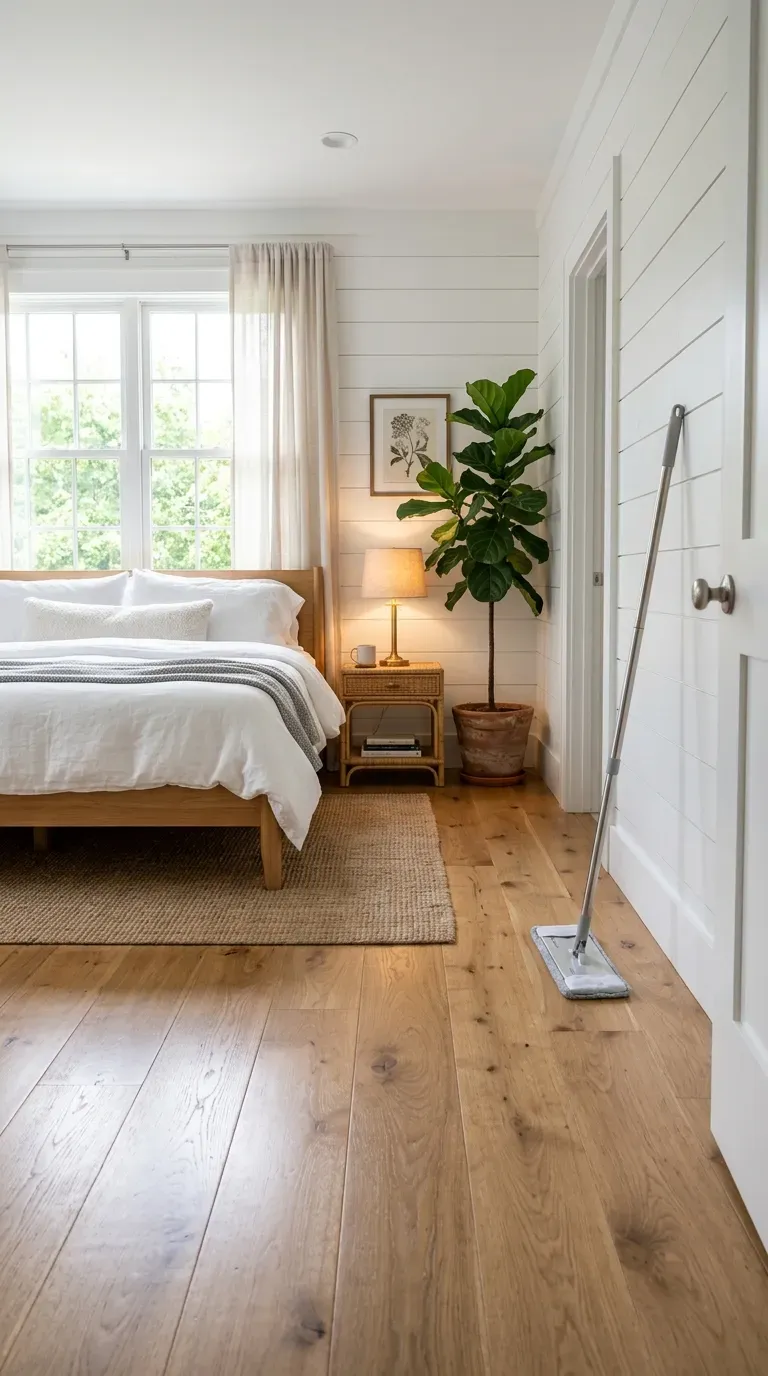
1. The Microfiber Flat Mop System
Ditch the traditional heavy, soaking-wet string mop immediately. Upgrading to a high-quality microfiber flat mop is the single most important change you can make for your hardwood floors. When reading through any modern cleaning buying guide, you will consistently see microfiber ranked at the top because it requires minimal moisture. Simply lightly mist the floor and let the thousands of microscopic fibers do the heavy lifting, trapping dirt and bacteria rather than just pushing dirty water around your perfectly planned bedroom layout.
Why this idea works
Wood’s biggest enemy is standing water, which can cause warping, cupping, and dulling of the polyurethane finish. Microfiber uses electrostatic charge to attract dust and pet hair when dry, and highly absorbent capillary action when damp, meaning your floors dry in seconds with zero streaking.
2. pH-Neutral Hardwood Specific Formulas
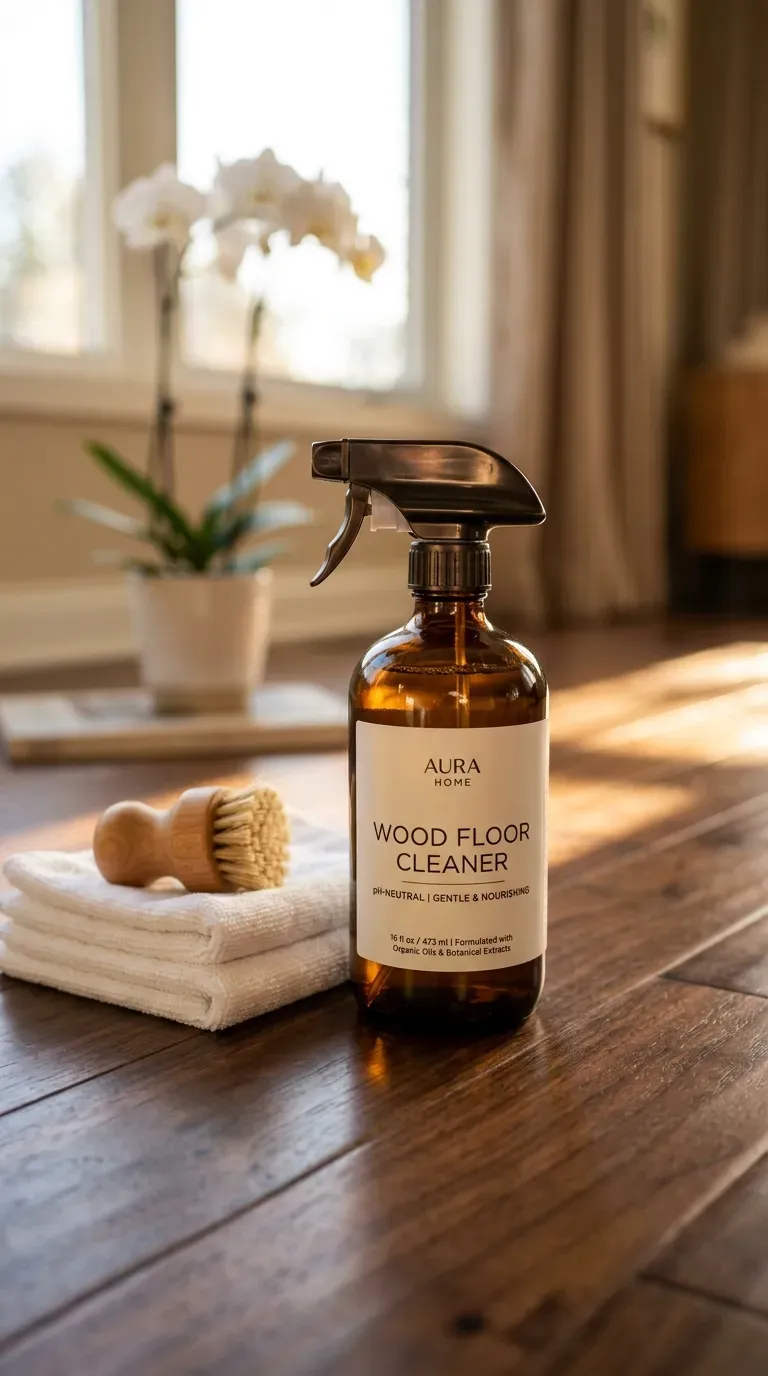
Stop using standard dish soap, vinegar, or harsh multi-surface sprays on your hardwood. To maintain a showroom-level shine, you must use premium materials formulated specifically for wood floors. These are pH-neutral solutions that break down grease and grime without eating away at the protective topcoat. Investing in a gallon of concentrated, high-quality wood cleaner is a budget-friendly move that prolongs the life of your floors by decades.
Why this idea works
Floors become cloudy when alkaline or highly acidic cleaners strip away the microscopic layers of the finish. A pH-neutral formula effectively lifts dirt into suspension so it can be wiped away, leaving the original glossy or matte protective seal completely intact and brilliantly clear.
3. Smart Mapping Robotic Vacuums
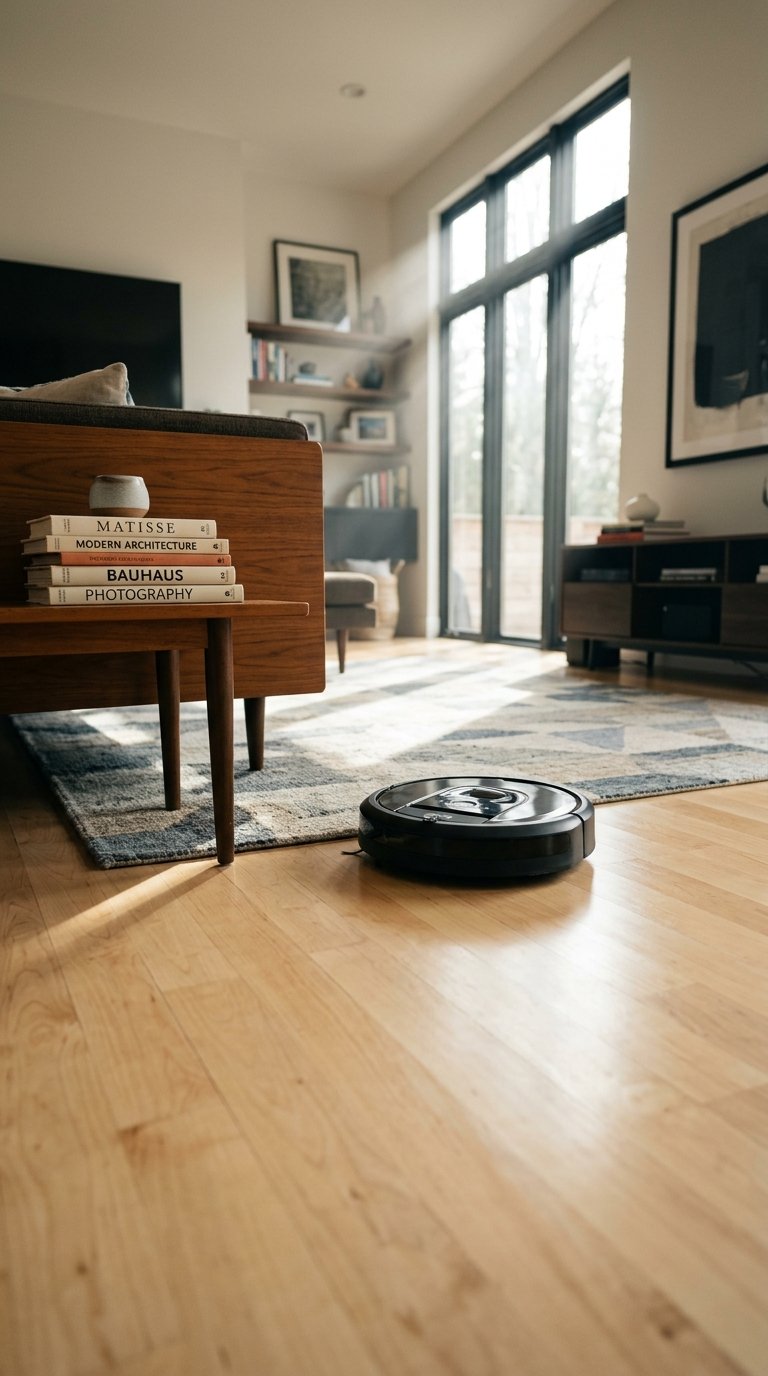
If you want an effortless routine, automate the prep work. The secret to keeping floors clean isn’t mopping more often; it’s preventing dirt from settling in the first place. High-end robotic vacuums equipped with advanced LiDAR software and smart mapping capabilities are incredible investment pieces. Program them to run daily while you are at work to keep the floor completely clear of abrasive dust and crumbs.
Why this idea works
Microscopic grains of sand and dirt act like sandpaper on your floor’s finish every time you walk. By utilizing daily automated dry vacuuming, you remove these abrasive particles before they can cause the micro-scratches that lead to a dull, faded appearance over time.
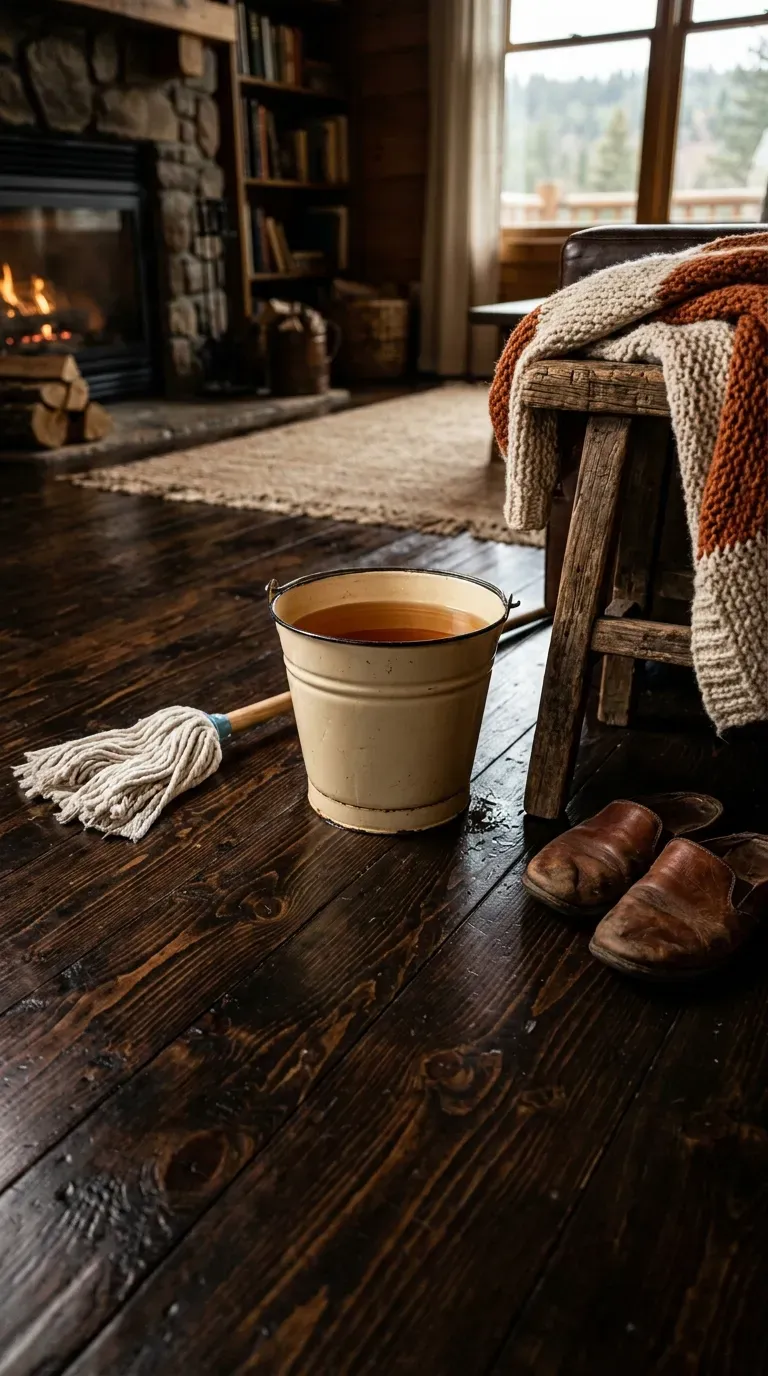
4. The Black Tea Tannin Wash
For those with dark hardwood floors, this centuries-old DIY hack offers unbelievable results without the cost of high-end chemical polishes. Boiling a few bags of standard black tea, letting it cool, and using it as a damp mop solution can restore deep, rich color to your floorboards. While evaluating the budget vs. luxury scale of floor care, this practically free method consistently punches above its weight class.
Why this idea works
Black tea contains high levels of tannic acid, a natural compound that gently cleans dirt while actively enhancing the warm, rich undertones of dark woods like mahogany or dark-stained oak. It leaves a beautiful, streak-free shine without any waxy chemical buildup.
5. Preventative High-Pile Entryway Rugs
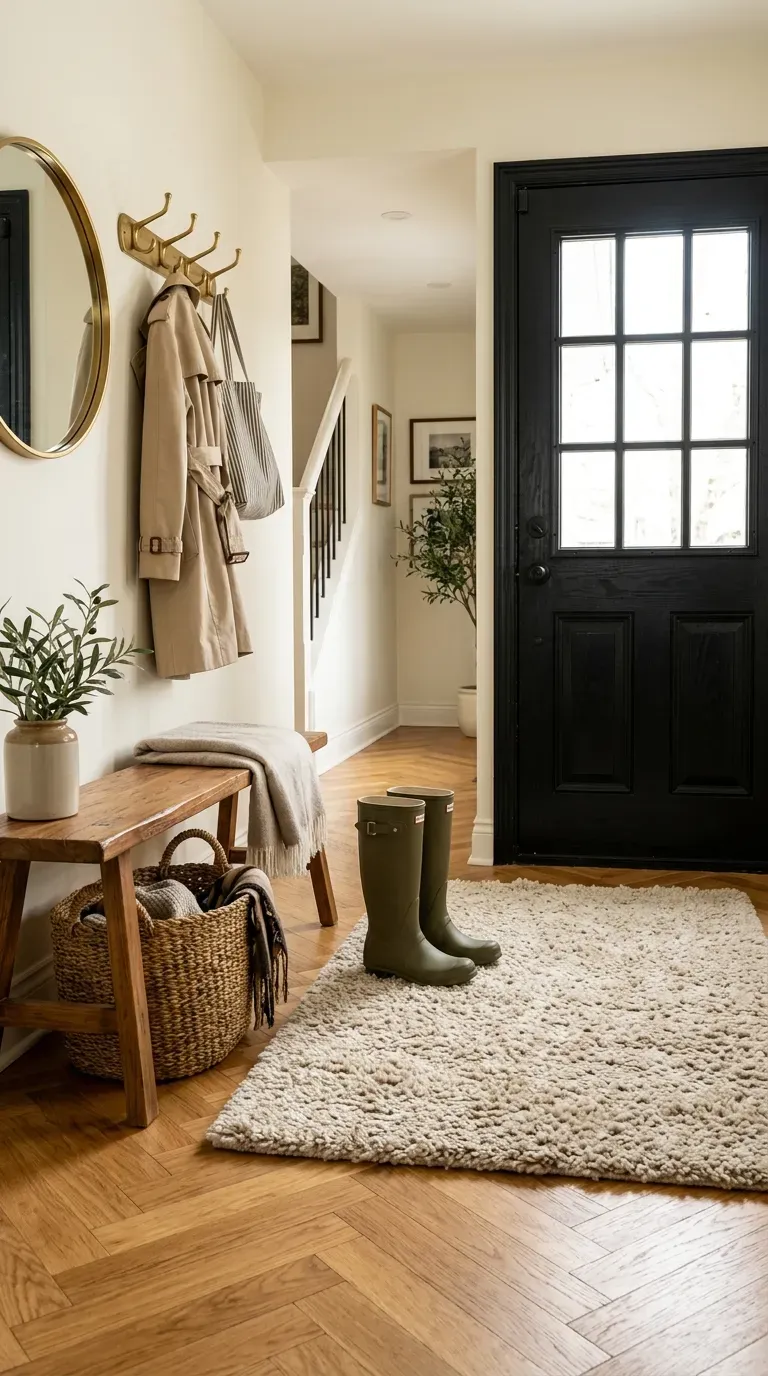
Sometimes the most effortless cleaning method is simply stopping the mess before it starts. Strategically placing heavy, high-pile, moisture-wicking rugs at all exterior doors is a mandatory step. Treat these rugs as essential investment pieces for your home decor. By ensuring guests wipe their feet, you dramatically reduce the workload required for the rest of the house.
Why this idea works
Over 80% of the dirt on your floors is tracked in from the outside. A proper high-pile rug aggressively scrapes mud, snow, and grit from the treads of shoes, acting as a physical quarantine zone that protects the delicate polyurethane finish of your interior wood floors.
6. The Spray-and-Wipe Moisture Control Technique
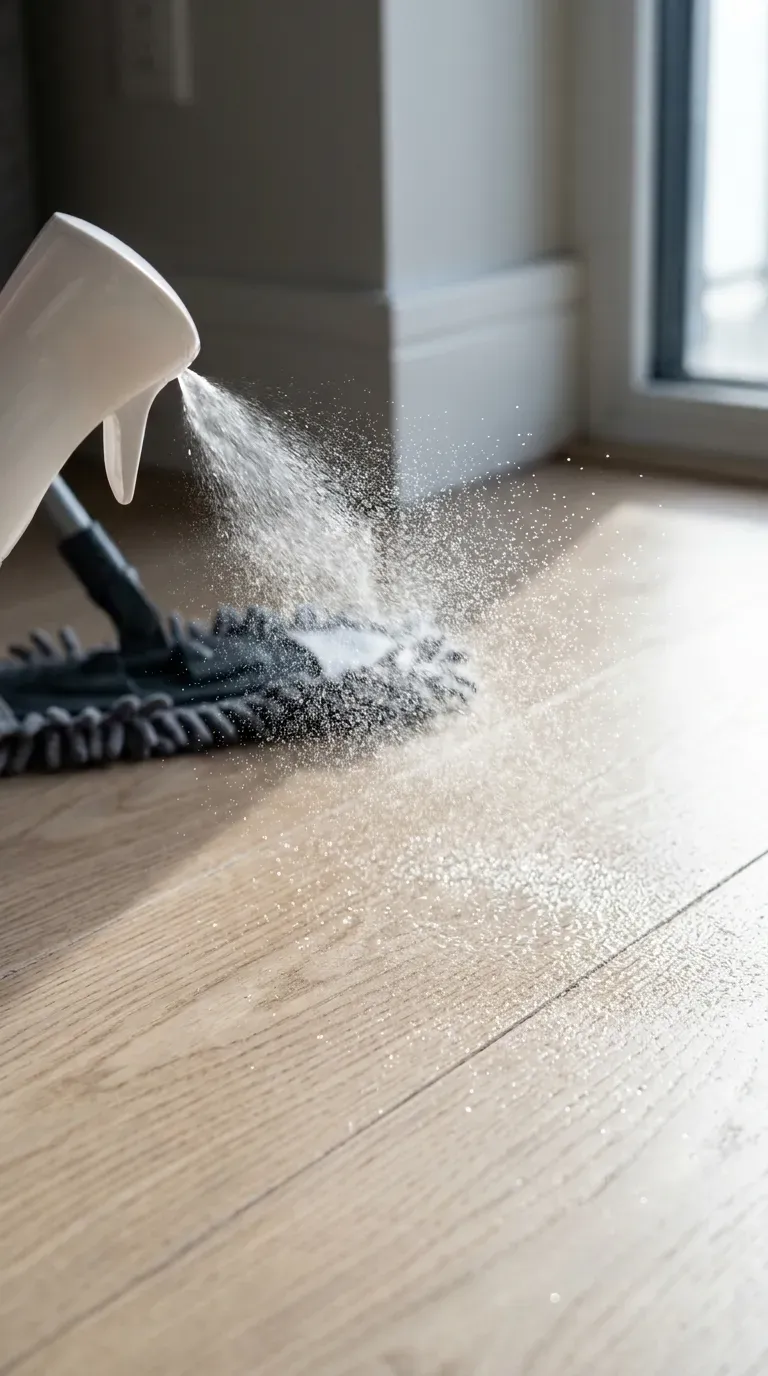
Never, ever dump a bucket of soapy water onto your wood floors. The most efficient and safe method is the spray-and-wipe technique. Use a continuous-mist spray bottle (a favorite tool often highlighted in any home cleaning buying guide) to lightly spritz a 3-foot section of the floor, then immediately follow behind with your flat mop.
Why this idea works
Wood is highly porous. When you use a traditional bucket and mop, water inevitably seeps into the microscopic seams between the planks. The spray-and-wipe method ensures the liquid evaporates within seconds of making contact, entirely eliminating the risk of swelling, buckling, or water-staining.
7. Carnauba Wax Buffing for Unsealed Floors
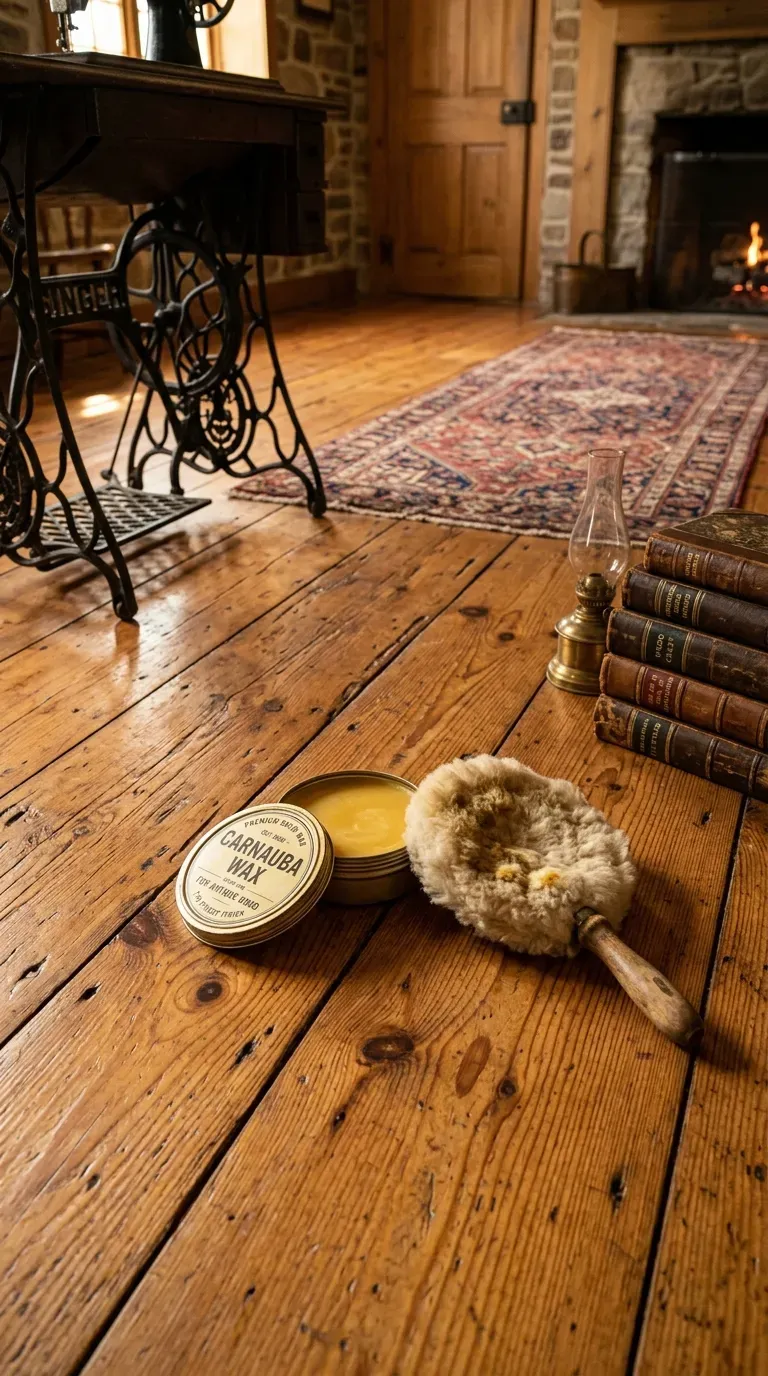
If you live in a historic home with unsealed, oil-finished, or antique floors, modern liquid cleaners will ruin them. Instead, you need to rely on traditional, heavy-duty Carnauba wax. While applying it takes elbow grease, utilizing an electric floor buffer can make the process highly efficient. If you are nervous about working with antique surfaces, consulting professional services for the initial buffing is a highly recommended first step.
Why this idea works
Unsealed floors lack a polyurethane topcoat. Carnauba wax physically feeds the wood, filling in microscopic scratches and hardening into a brilliant, protective shell that repels liquid and dirt, giving the floor a stunning, buttery-smooth, historically accurate glow.
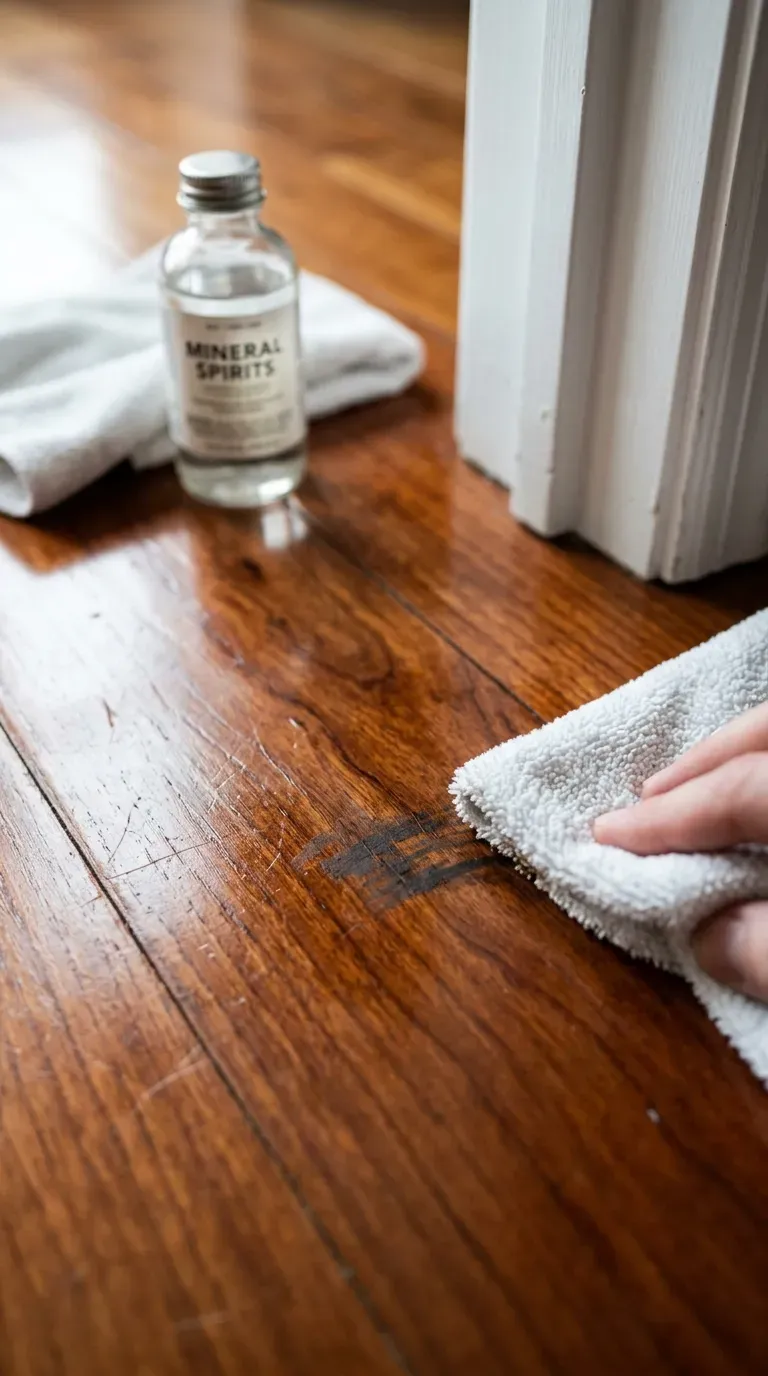
8. Spot Cleaning with Mineral Spirits
When you discover a stubborn, black rubber scuff mark from a shoe or a smear of grease that won’t budge, do not reach for an abrasive sponge! Instead, apply a tiny amount of odorless mineral spirits to a soft cloth and gently rub the spot. Keep a small bottle in your utility closet as a specialized tool for targeting localized, heavy-duty grime without resorting to full-room chemical treatments.
Why this idea works
Mineral spirits act as a highly effective, gentle solvent. They are uniquely capable of melting away dense, oil-based stains, adhesives, and rubber transfers without aggressively eating into the underlying water-based or oil-based polyurethane protective floor finish.
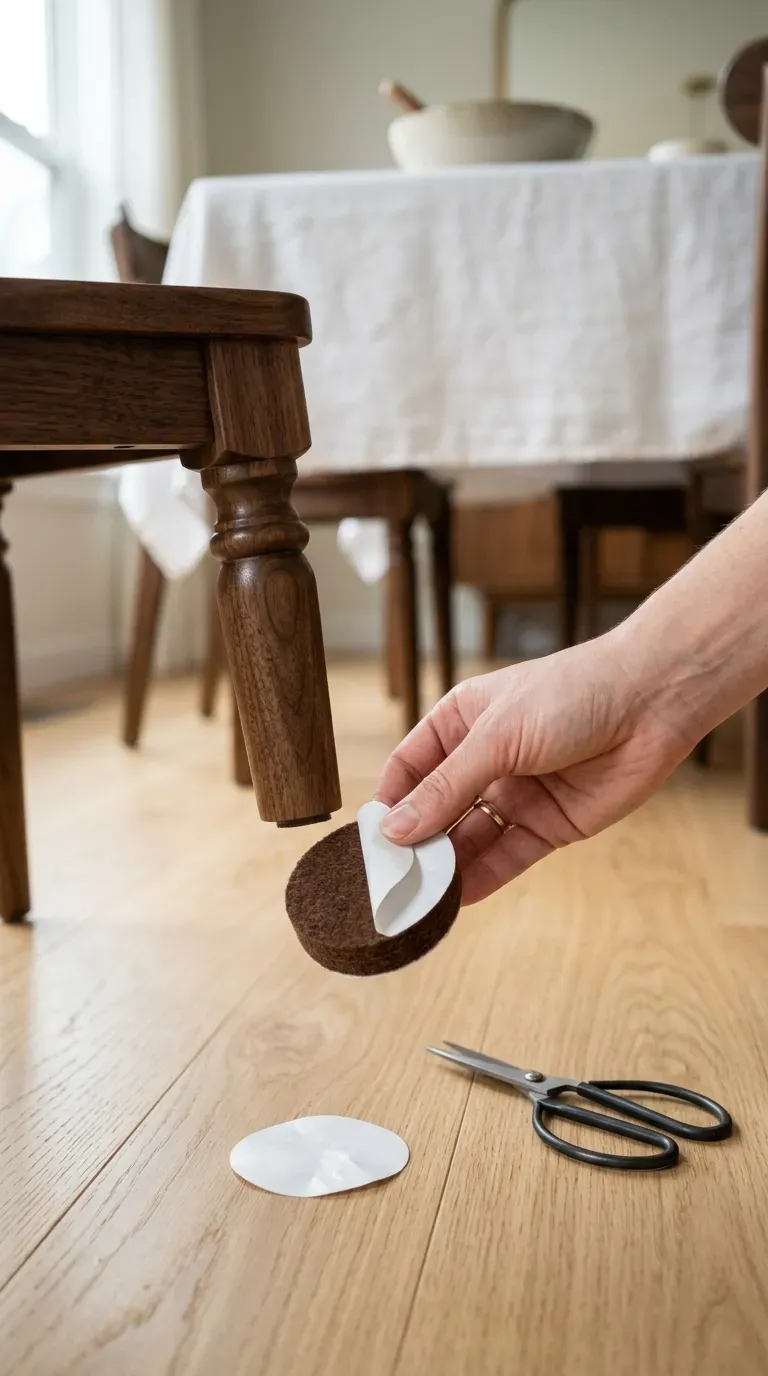
9. Felt Pad Furniture Protection
The easiest way to clean your floors is to stop damaging them. Walk through your entire house—especially looking at your heavy bedroom layouts and living room sofas—and ensure every single piece of furniture has heavy-duty felt pads securely attached to the legs. Consider this mandatory, must-have equipment for home preservation.
Why this idea works
Every time you sit on a sofa or slide a dining chair, the furniture legs grind invisible dust particles into the floor, permanently hazing the finish. Thick felt pads act as a soft buffer, allowing heavy furniture to glide seamlessly without gouging or scratching the wood’s protective topcoat.
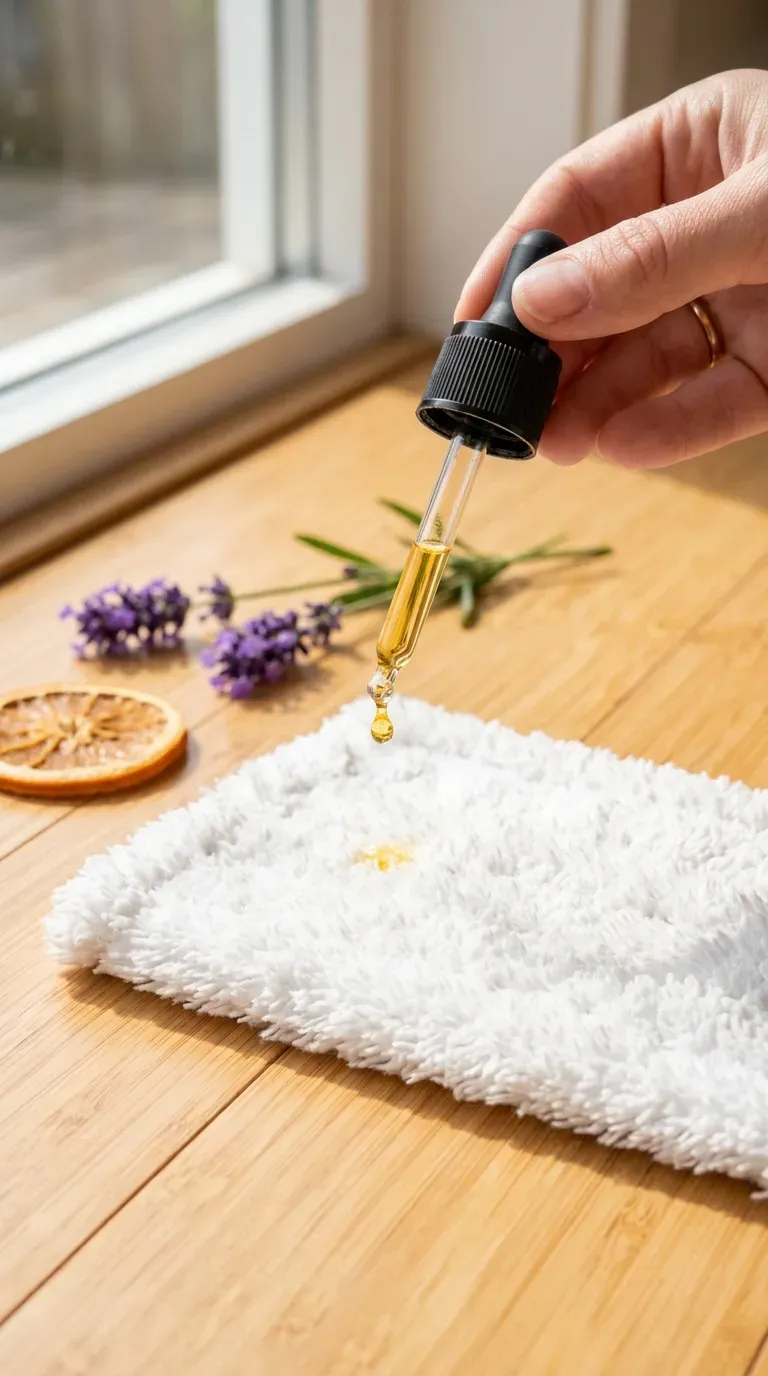
10. The Essential Oil Infusion Hack
Once your floors are perfectly clean and dry, you want your home to smell just as stunning as it looks. A brilliant, effortless finishing touch is to add exactly two drops of pure essential oil—like sweet orange or lavender—to your microfiber mop pad after you have finished your damp mopping pass, and do one final, dry sweep across the room.
Why this idea works
By applying the essential oil directly to a dry pad rather than mixing it into your water solution, you prevent oily streaks from forming on the wood. It simply distributes a microscopic, fragrant barrier that leaves the room smelling fresh, clean, and incredibly luxurious for days.
Conclusion: Achieve the Flawless Floors You Deserve
Maintaining breathtaking, magazine-worthy wood floors doesn’t have to be an exhausting chore. By shifting your focus from aggressive, water-heavy scrubbing to smart, preventative care and utilizing the proper microfiber tools, you can easily achieve an effortless, streak-free shine. Remember, the goal is to protect the finish, manage moisture, and invest in the right techniques that allow the natural beauty of the wood to take center stage in your home.
Now it’s your turn: Which of these 10 clean wood floors methods are you going to implement in your cleaning routine this week? Have you ever tried the black tea hack? Let us know your thoughts in the comments below, share this guide with anyone struggling with streaky floors, and don’t forget to save/pin this post to your Home Cleaning Pinterest board so you always have these brilliant hacks right at your fingertips!