
Most people treat interior doors as purely functional barriers, completely overlooking the fact that they are massive, blank canvases taking up valuable visual real estate in your home. Are your builder-grade, hollow-core doors dragging down your otherwise carefully curated aesthetic? Replacing every door in your house can easily run into the thousands, but before you shell out for professional installation services, there is a better way.
By applying some clever DIY techniques and investing in a few premium materials, you can completely transform your existing doors in a single weekend. Whether you are aiming for a high-end vintage aesthetic, a modern industrial vibe, or just looking to add sophisticated architectural character to a plain hallway, these upgrades offer serious return on investment. Grab your toolkit and get ready to be inspired by these 13 genius interior door makeovers you need to try right now!
1. Architectural Picture Frame Molding
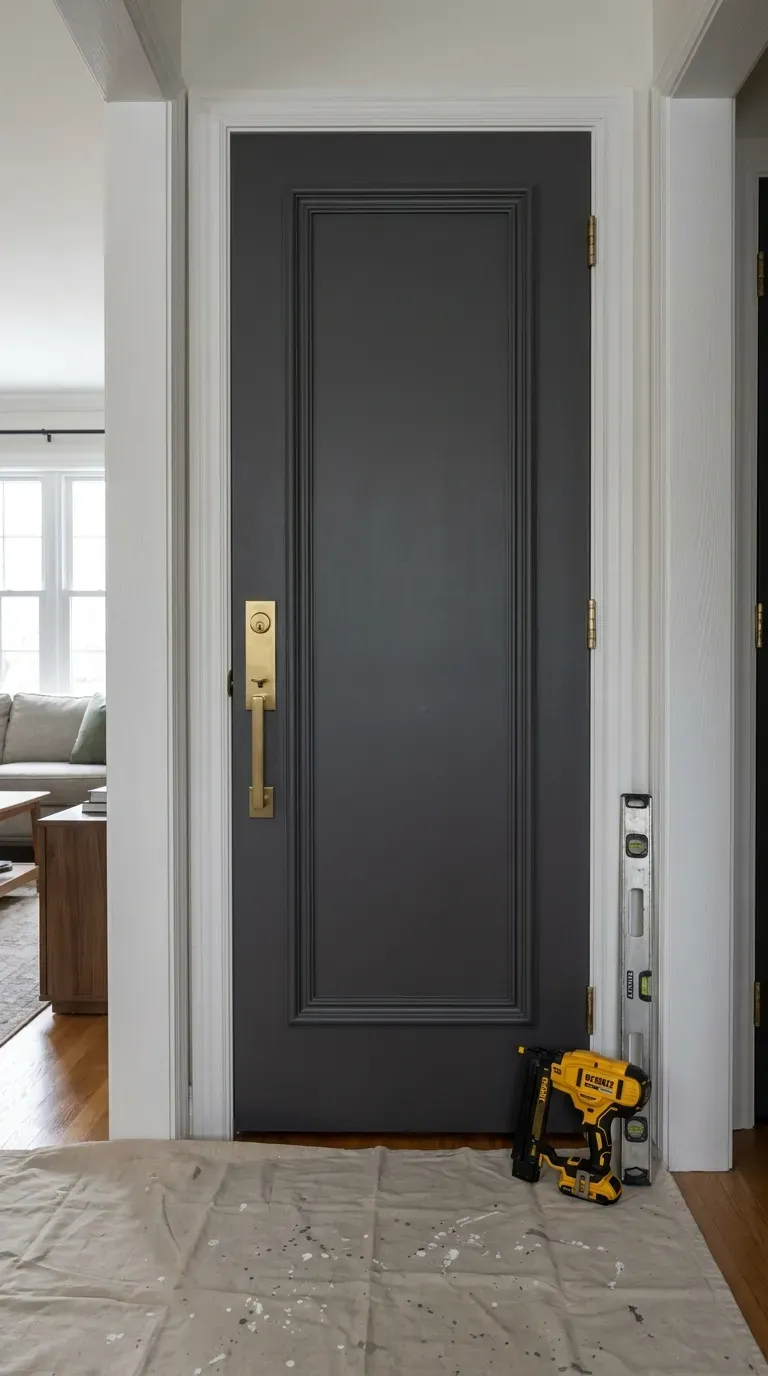
Adding picture frame molding is the ultimate way to fake expensive architectural details on a budget. By mapping out a classic box design with interior design software or a simple sketch, you can cut and attach lightweight trim directly onto flat, hollow-core doors. Once caulked and painted in a unified, glossy finish, it becomes impossible to tell that these aren’t solid wood, custom-built doors. Investing in a premium brad nailer and a reliable miter shear will make this project incredibly fast and precise.
Why This Idea Works
Psychologically, symmetrical paneling triggers a sense of order, elegance, and historic charm. From an aesthetic perspective, the added trim creates dynamic shadows and depth, instantly elevating the door from a cheap builder-grade fixture to a bespoke, luxury home upgrade.
2. Modern Fluted Wood Paneling
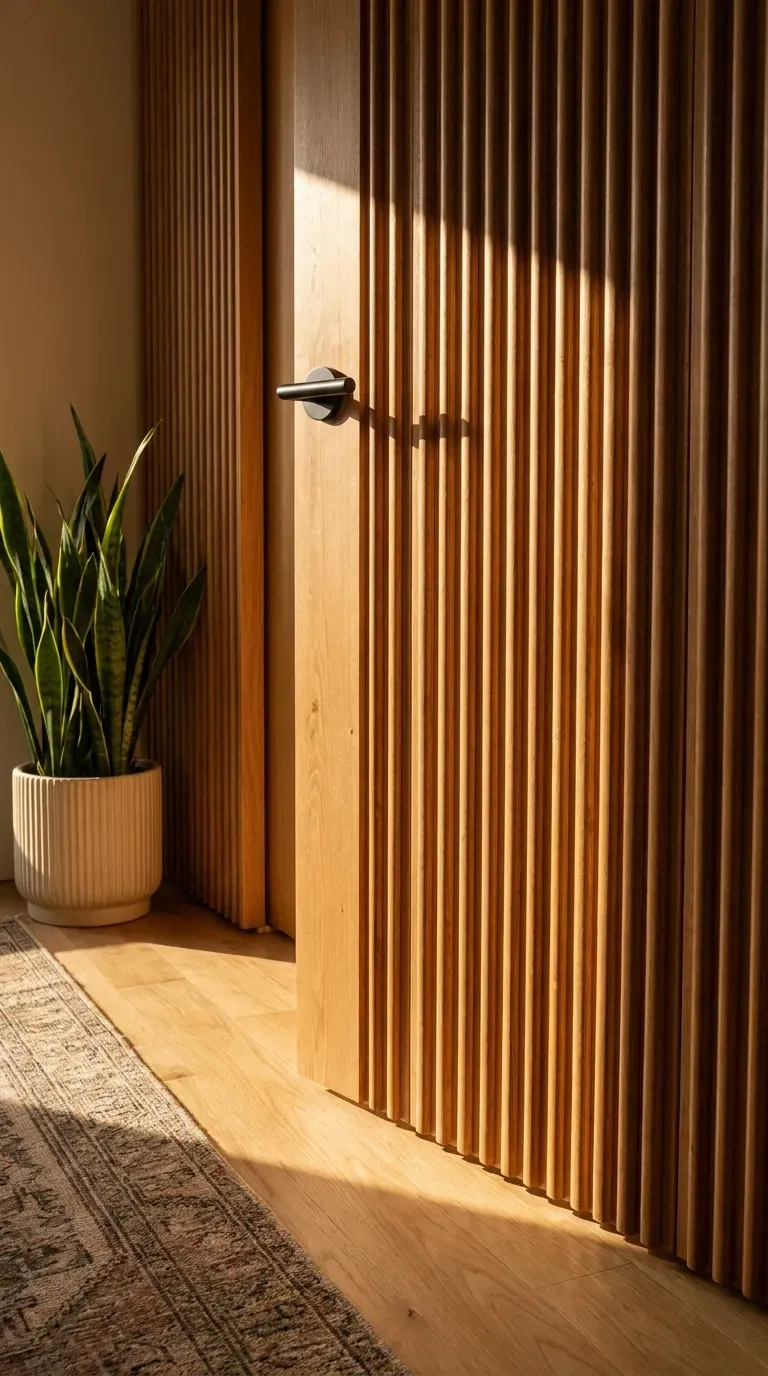
Fluted textures are dominating high-end furniture aesthetics right now, and applying this look to a door creates a massive focal point. By cutting half-round wood dowels or buying pre-made flexible tambour paneling, you can glue these textured strips vertically down the entire face of the door. Finish it off with a rich wood stain or a matte neutral paint. While this requires a bit more investment in premium materials than simple paint, the resulting tactile surface feels incredibly bespoke and expensive.
Why This Idea Works
The vertical lines of the fluted wood draw the eye upward, creating the illusion of higher ceilings and a grander space. The repetition of the ribbed texture adds acoustic dampening and a mid-century modern architectural richness that cannot be achieved with flat surfaces.
3. Peel-and-Stick Mural Wallpaper
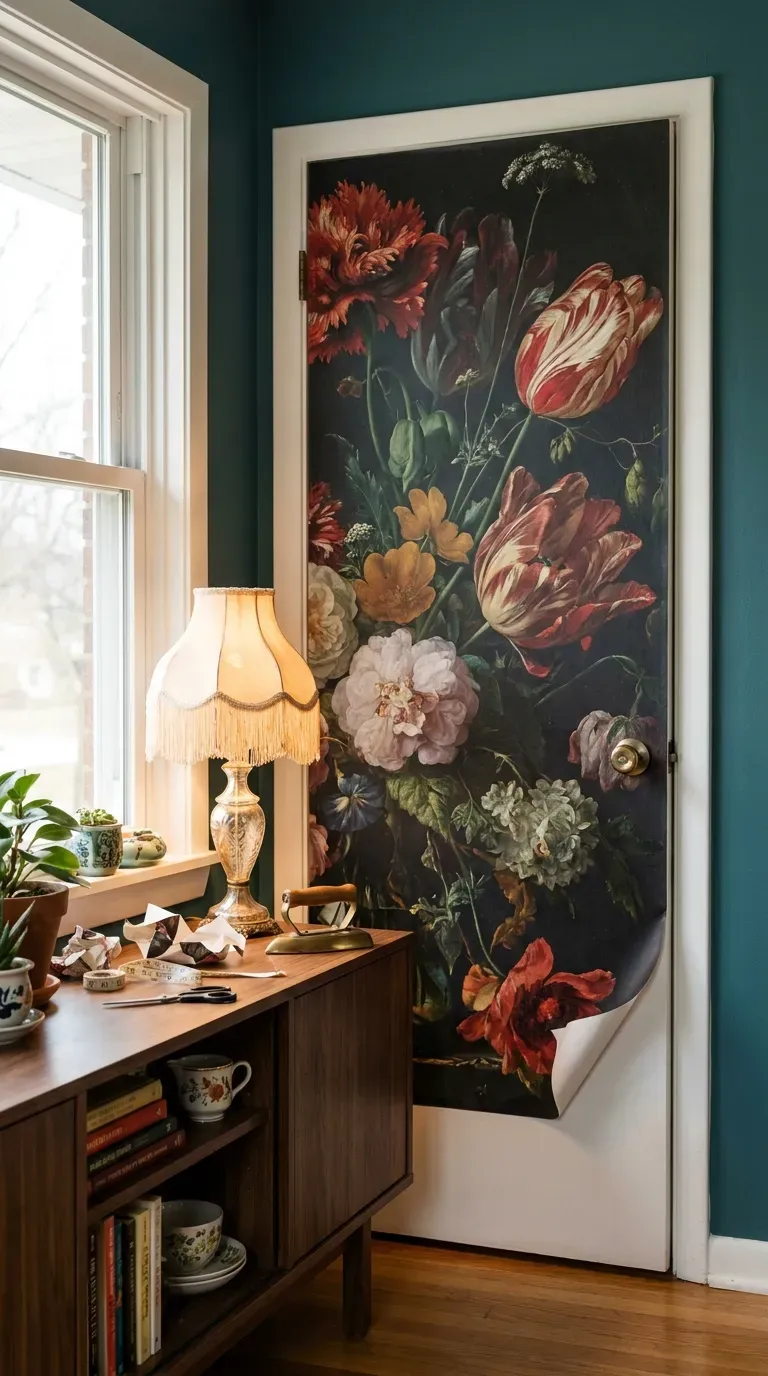
If you want maximum impact with zero power tools, peel-and-stick wallpaper is your best friend. Instead of painting, wrap your flat interior door in a stunning oversized botanical print, a geometric mid-century pattern, or a sweeping landscape mural. This is an incredible budget vs. luxury hack; it mimics the look of custom hand-painted frescoes or expensive wood veneers without the permanence. It is also a perfect, landlord-friendly solution for renters wanting to personalize their space.
Why This Idea Works
Using wallpaper on a door turns a negative, ignored space into a giant piece of framed art. It introduces large-scale pattern and vibrant color into hallways or bedrooms without the overwhelming commitment of wallpapering an entire four-wall room.
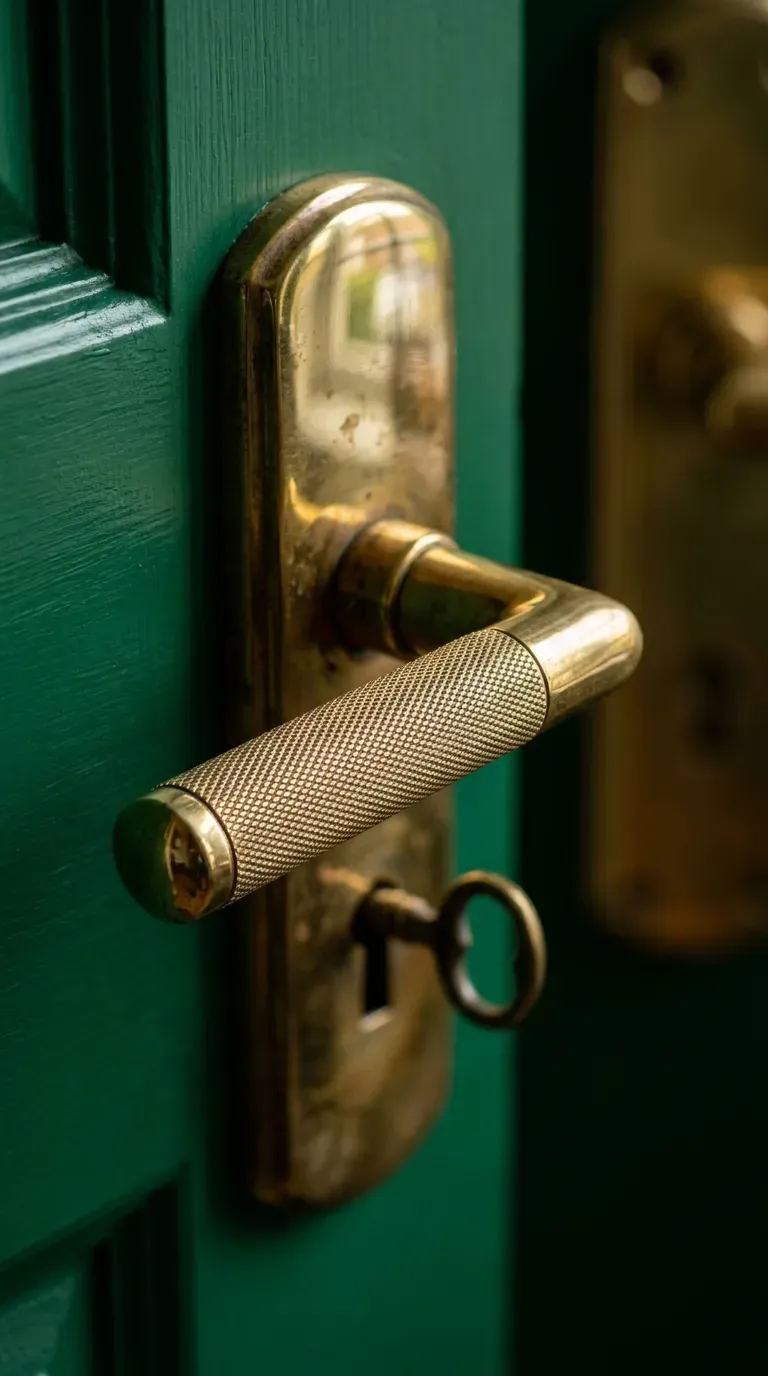
4. Upgraded Premium Brass Hardware
Sometimes a makeover doesn’t require tearing the door apart at all; it just requires a jewelry upgrade. Swapping out cheap, tarnished silver knobs for heavy, premium solid brass levers, extended backplates, or oversized matte black handles can completely change a door’s character in ten minutes. Consult a hardware buying guide to ensure you get the right backset measurements. This is an investment piece strategy that tricks the brain into perceiving the entire door as a high-quality, heavy-duty fixture.
Why This Idea Works
Hardware is the primary touchpoint of any room. When you grasp a heavy, beautifully cast brass handle, the tactile feedback immediately communicates luxury and quality, overriding the fact that the door itself might just be a standard hollow-core model.
5. Faux Wicker and Cane Webbing Inserts
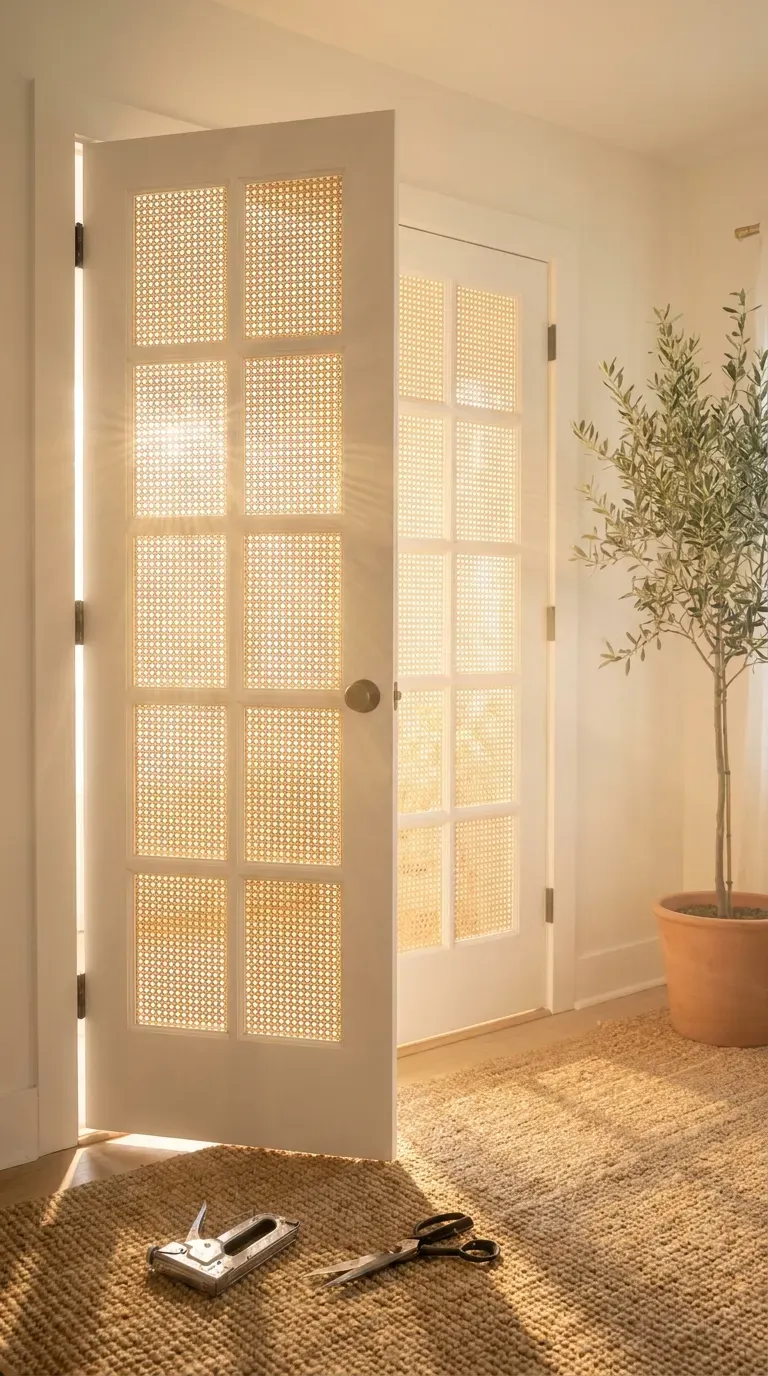
Bring an airy, boho-chic resort vibe into your home by cutting out the center panels of your doors and replacing them with authentic cane webbing. This project works exceptionally well on closet doors or pantry doors where breathability is a plus. Soaking the cane webbing before stapling it taut ensures a drum-tight finish once it dries. Paired with natural wood tones or a crisp white paint job, this premium material hack completely customizes standard flat doors.
Why This Idea Works
Cane webbing introduces an organic, woven texture that softens harsh architectural lines. Semi-transparent cane allows natural light and air to pass through, making small hallways or bedrooms feel significantly larger and less claustrophobic.
6. Faux Wood Grain Gel Stain
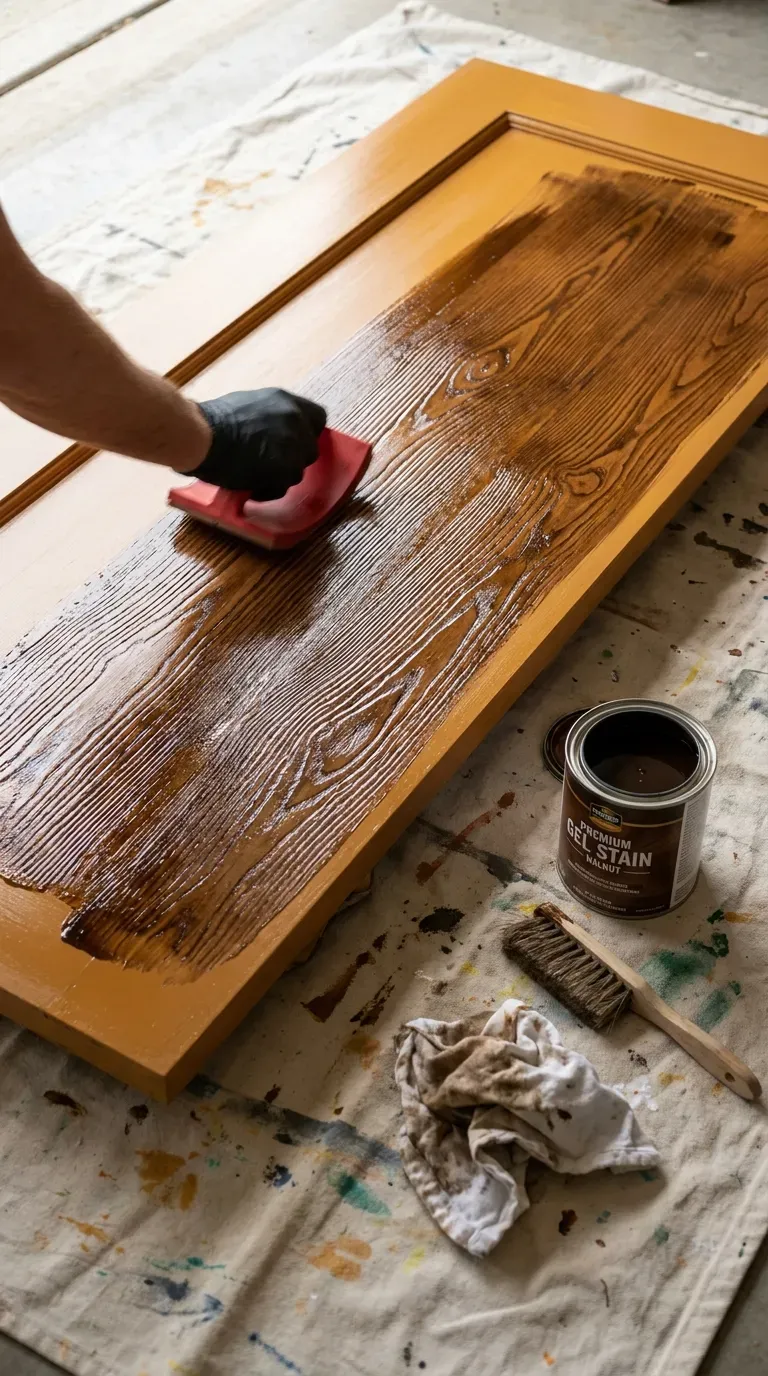
Love the look of rich mahogany or warm oak but stuck with basic white primed doors? You don’t need to pay for professional architectural restoration. Using a specialized wood-graining rubber tool and a high-quality gel stain, you can paint faux wood grain directly onto a flat, painted door. By rocking the graining tool through wet glaze, you create shockingly realistic knots and heartwood patterns that instantly warm up your home’s interior palette.
Why This Idea Works
Wood tones inherently bring warmth, grounding energy, and natural biophilic design elements into sterile spaces. Gel stain sits on top of the surface rather than soaking in, allowing you to manipulate the faux texture until it looks exactly like an expensive solid wood slab.
7. Bold Color Blocking & Painted Archways
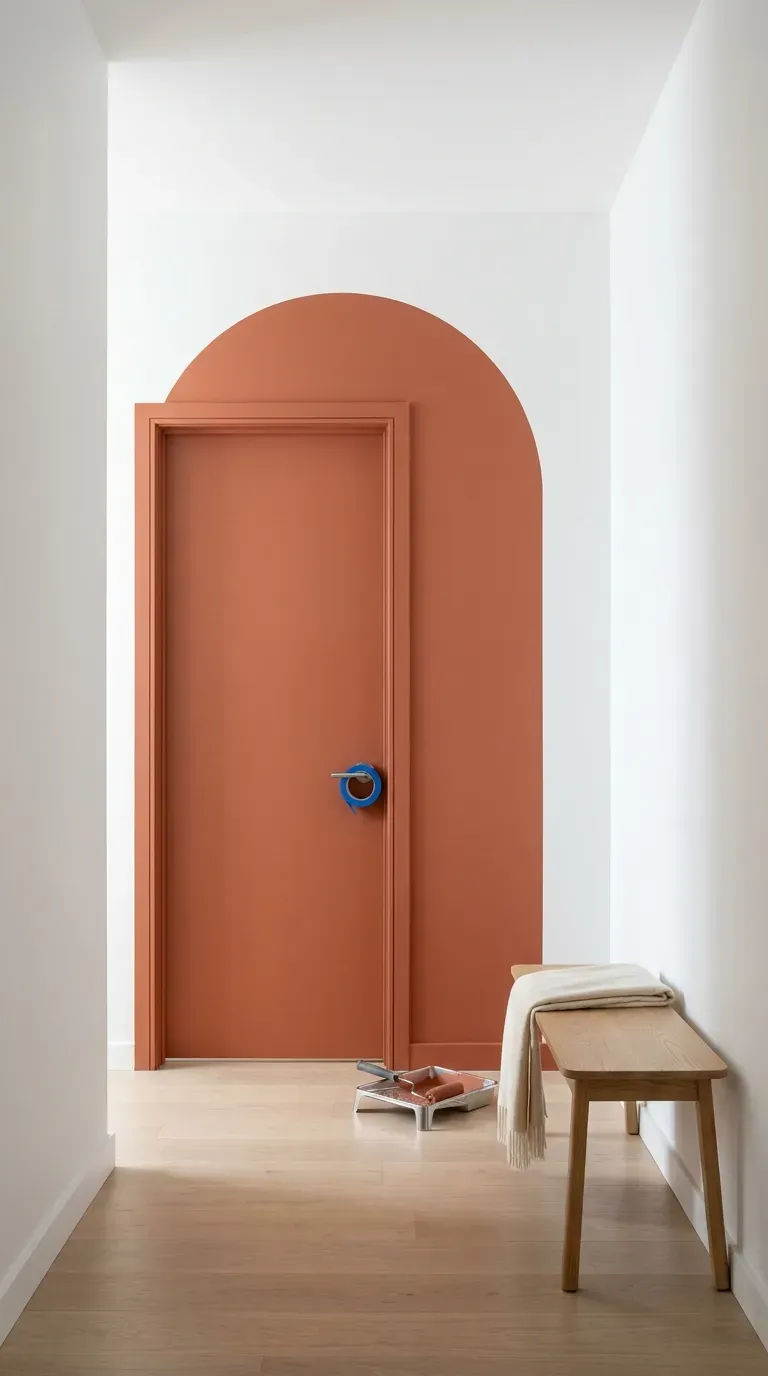
If you want a high-impact, low-effort transformation, grab a roll of premium painter’s tape and some bold paint. Instead of painting the entire door one color, use color blocking to paint a geometric shape—like a sweeping half-arch—that starts on the wall, crosses over the door frame, and ends on the door itself. This optical illusion seamlessly integrates the door into your wall art, making it a deliberate design feature rather than an interruption in the room.
Why This Idea Works
Color blocking disrupts the traditional visual boundaries of a room. By painting an archway over the door and the surrounding wall, you camouflage the door’s sharp rectangular edges, creating a softer, more modern, and highly creative architectural feature.
8. Mirrored Panel Inlays
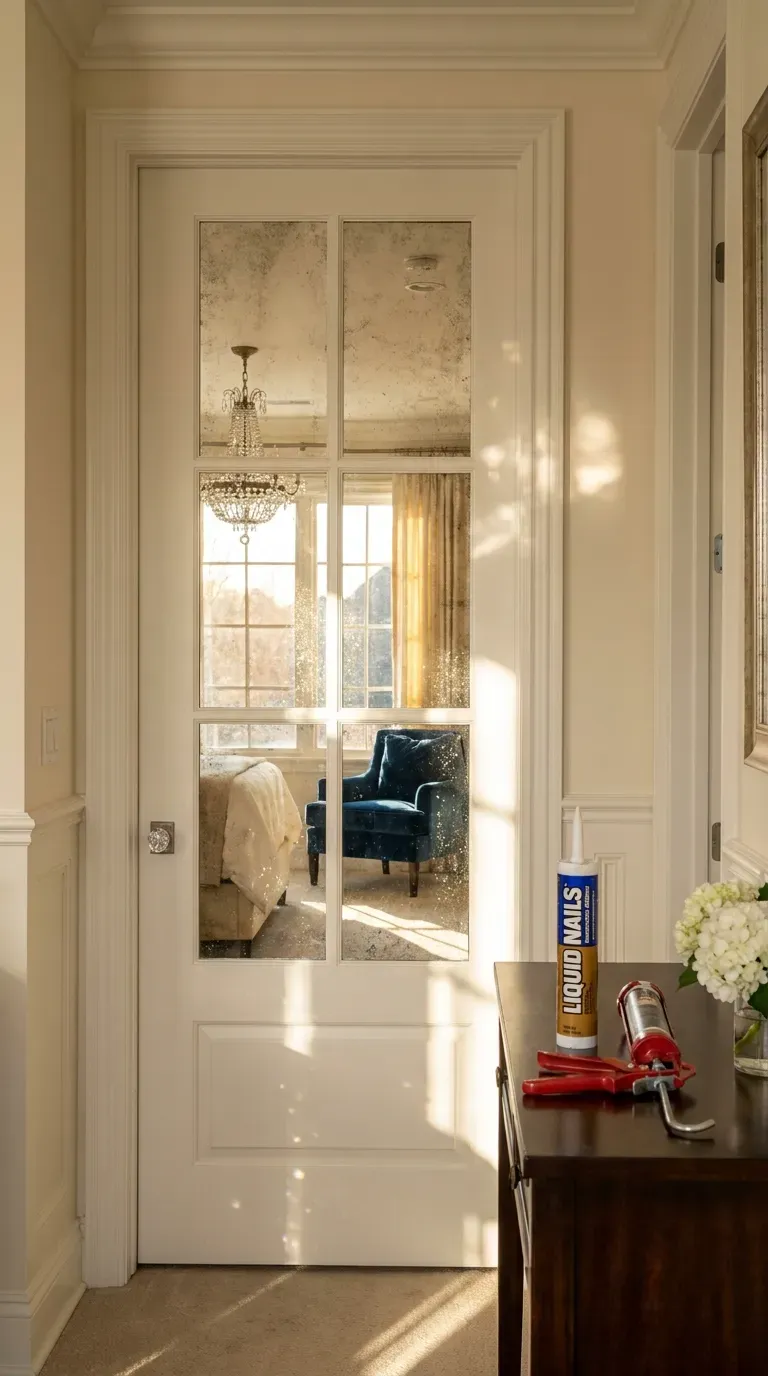
Transform your standard paneled doors into glamorous, space-expanding fixtures by adding custom-cut mirrors. You can order inexpensive, lightweight acrylic mirror sheets or use professional custom glass cutting services to get exact fits for the recessed panels of your door. Affix them with heavy-duty construction adhesive and frame them out with a little extra trim for a polished, vintage Hollywood Regency look that completely brightens up dark, windowless corridors.
Why This Idea Works
Mirrors bounce ambient light around the room, instantly doubling the visual depth of narrow hallways or cramped bedrooms. The reflective surfaces break up the heavy, solid mass of the door, making the architecture feel lighter and substantially more glamorous.
9. Magnetic Chalkboard Command Center
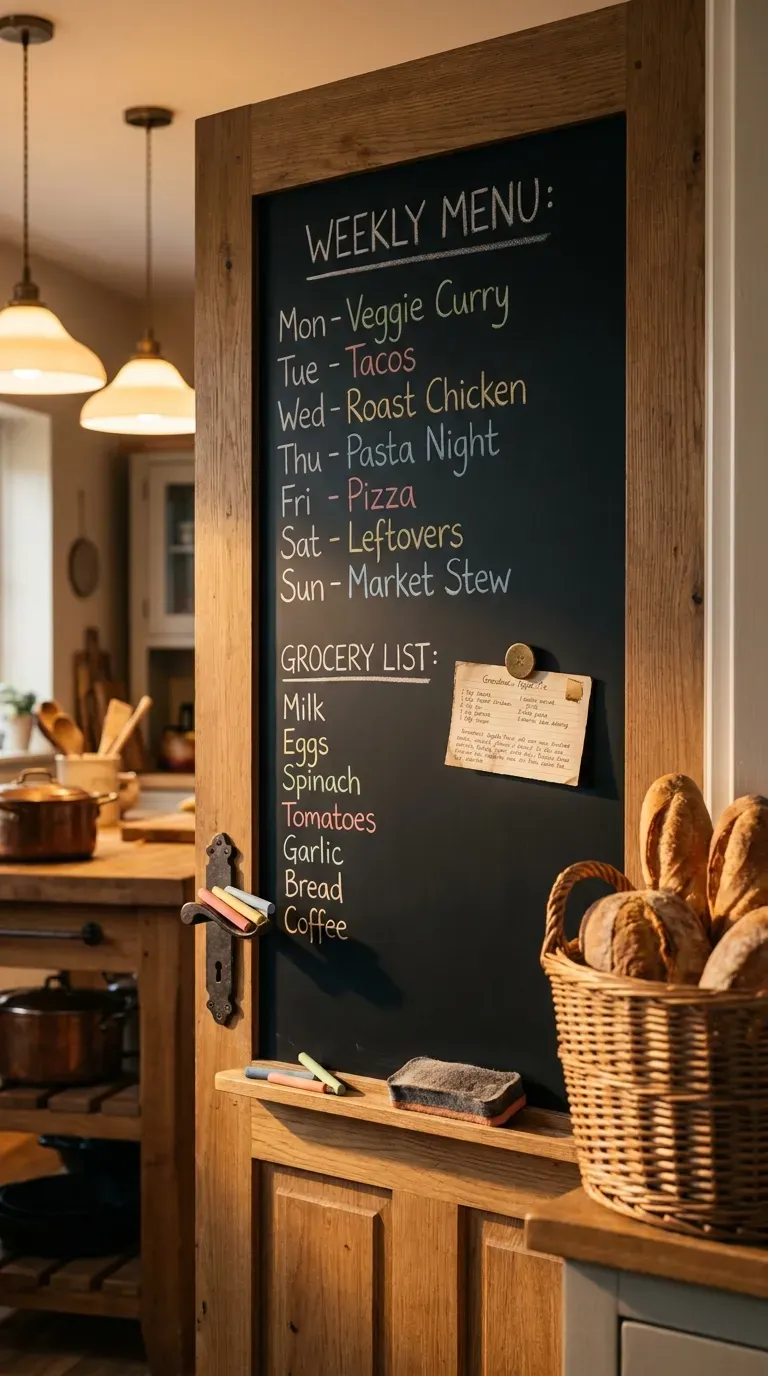
For a kitchen pantry, home office, or kids’ playroom door, utility is just as important as aesthetics. Coat the center panel of your door with three layers of magnetic primer, followed by premium matte black chalkboard paint. You instantly convert a useless slab of wood into a high-functioning family command center. Frame the edges with sleek wood trim to make it look like a deliberate, custom-built piece of furniture rather than a messy DIY project.
Why This Idea Works
This acts as a physical analog to family organization software. It centralizes grocery lists, calendar events, and creative doodles in a high-traffic area, maximizing unused vertical space while adding a fun, interactive, and moody industrial design element.
10. Upholstered Leather Soundproofing
Bring the luxurious, quiet atmosphere of an old-world library or a high-end home theater into your house by upholstering your door. Using acoustic insulation materials, dense foam batting, and premium faux or genuine leather, you can create a tufted, studded door design. Secure the leather with decorative brass nailhead trim along the edges. This is an incredible upgrade for home offices, recording studios, or primary bedrooms where privacy and noise reduction are paramount.
Why This Idea Works
Beyond the undeniable visual luxury of a tufted leather surface, the dense foam and fabric act as a highly effective sound-dampening barrier. It reduces echo and prevents sound transmission between rooms, creating a deeply quiet, intimate psychological environment.

11. Hidden Bookshelf Door Conversion
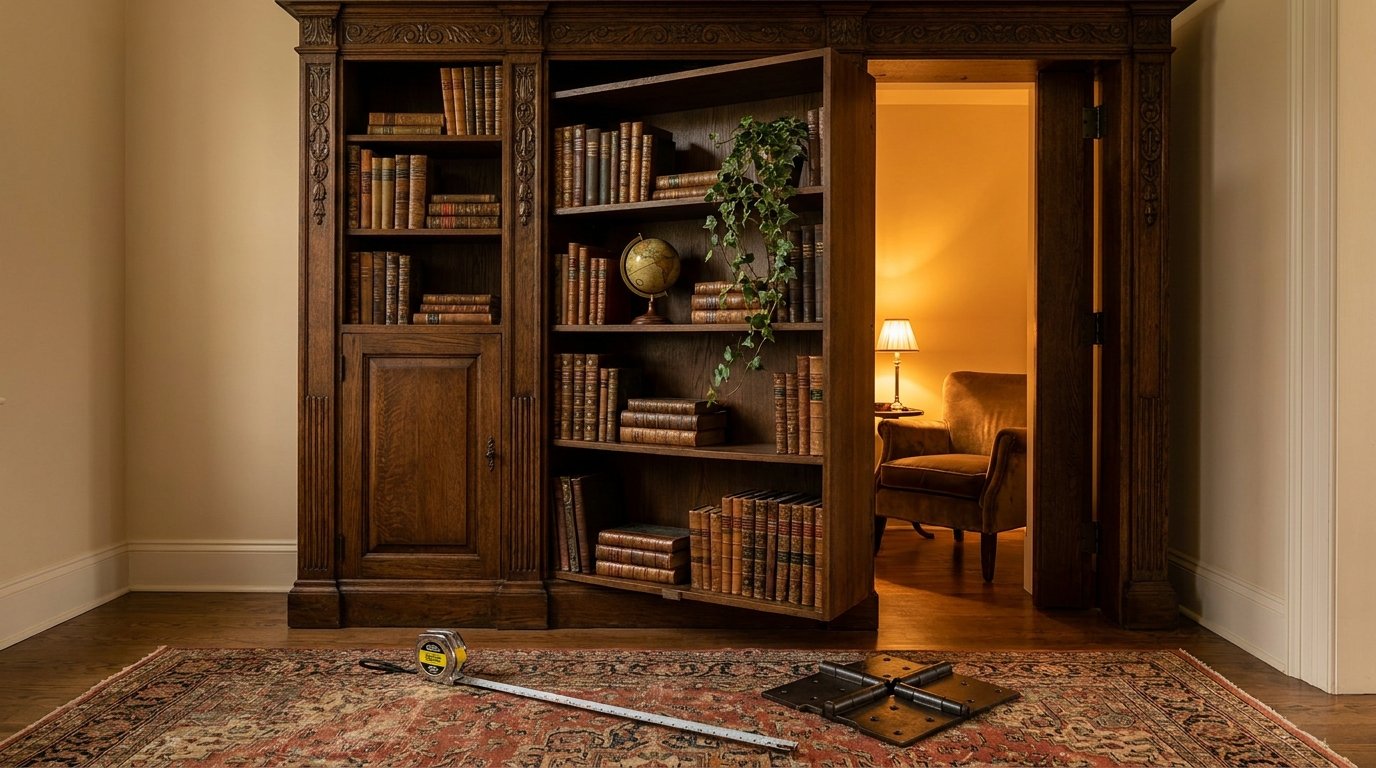
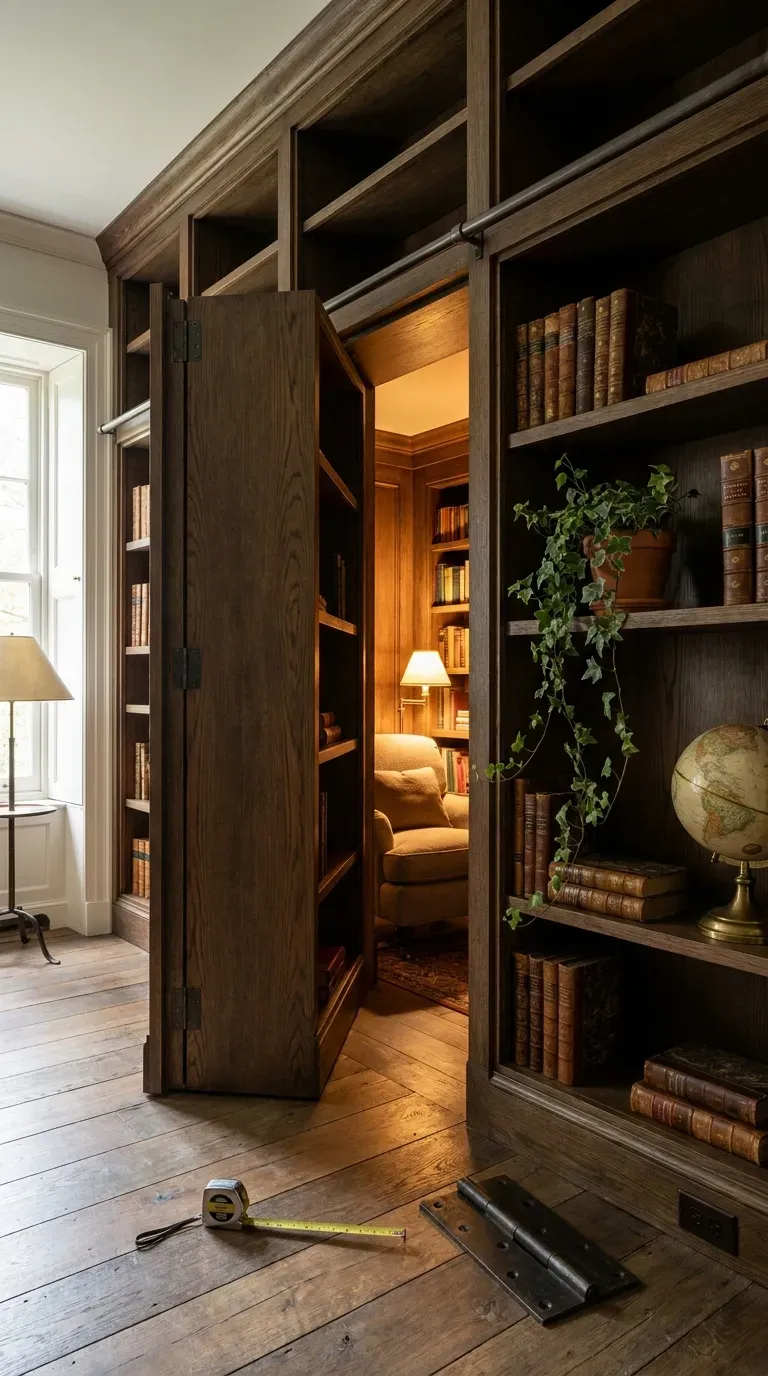
Why settle for a normal door when you can have a secret passageway? Converting a standard door into a flush, hidden bookshelf is the ultimate dream project for any homeowner. You will need to invest in heavy-duty concealed hinges and structural hardware to support the weight of the wood and books. By building a shallow shelving unit that fits perfectly within the door frame, you disguise the entrance to a private office, basement, or panic room.
Why This Idea Works
It appeals to our inherent love of mystery and playful architecture. Practically, it transforms dead space (the door swing area) into highly functional, floor-to-ceiling storage, completely elevating the whimsy and custom-built value of your property.
12. Matte Black Modern Industrial Transformation
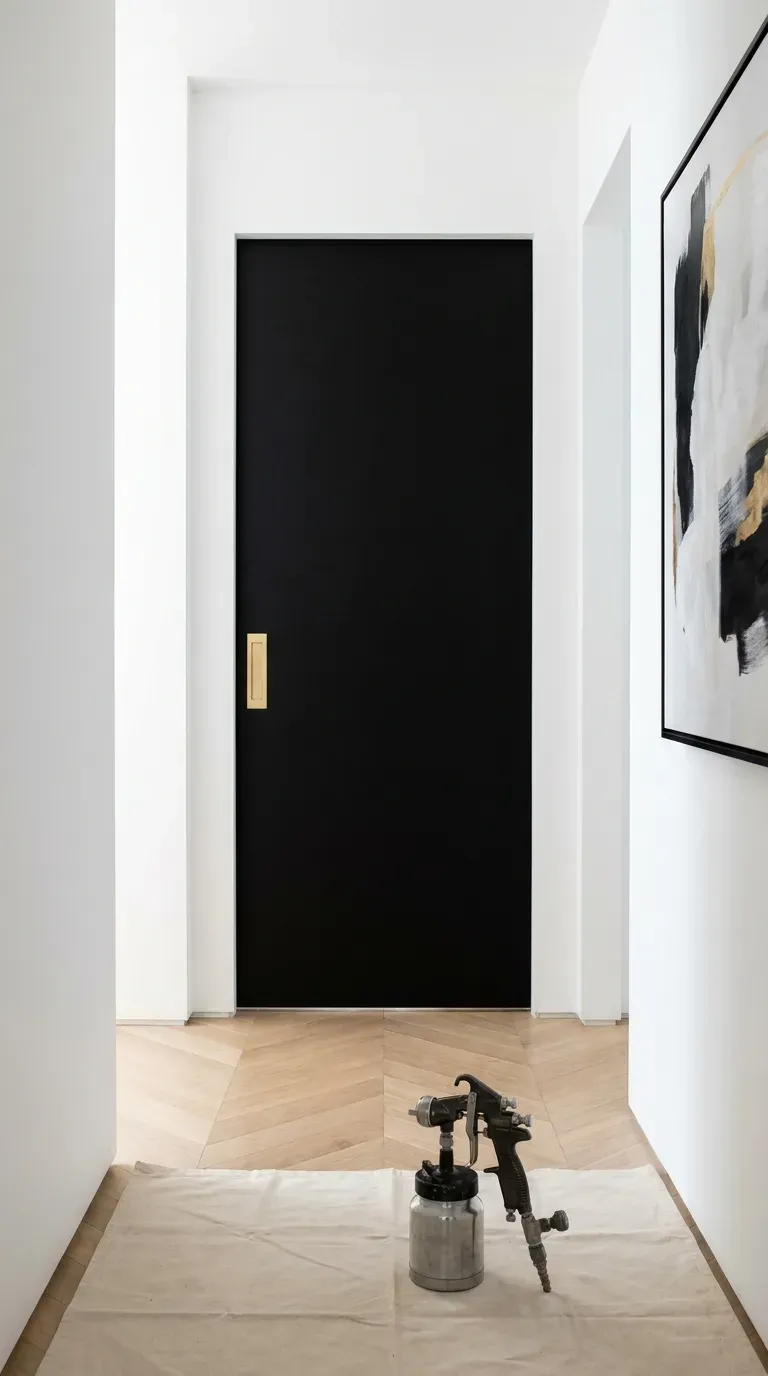
Sometimes the most genius makeover is also the simplest. Painting builder-grade interior doors a stark, matte black instantly modernizes a home, giving it a high-end, bespoke industrial edge. To achieve a flawless, factory-like finish without brush strokes, rent or purchase a professional-grade paint sprayer. Pair the stark black door with polished chrome or brushed gold hardware for an ultra-chic contrast that completely redefines a boring hallway.
Why This Idea Works
Black is an anchoring color. It adds visual weight and severe contrast against standard white walls, which immediately draws the eye and makes the surrounding architectural elements (like baseboards and ceilings) look sharper, cleaner, and more expensive.
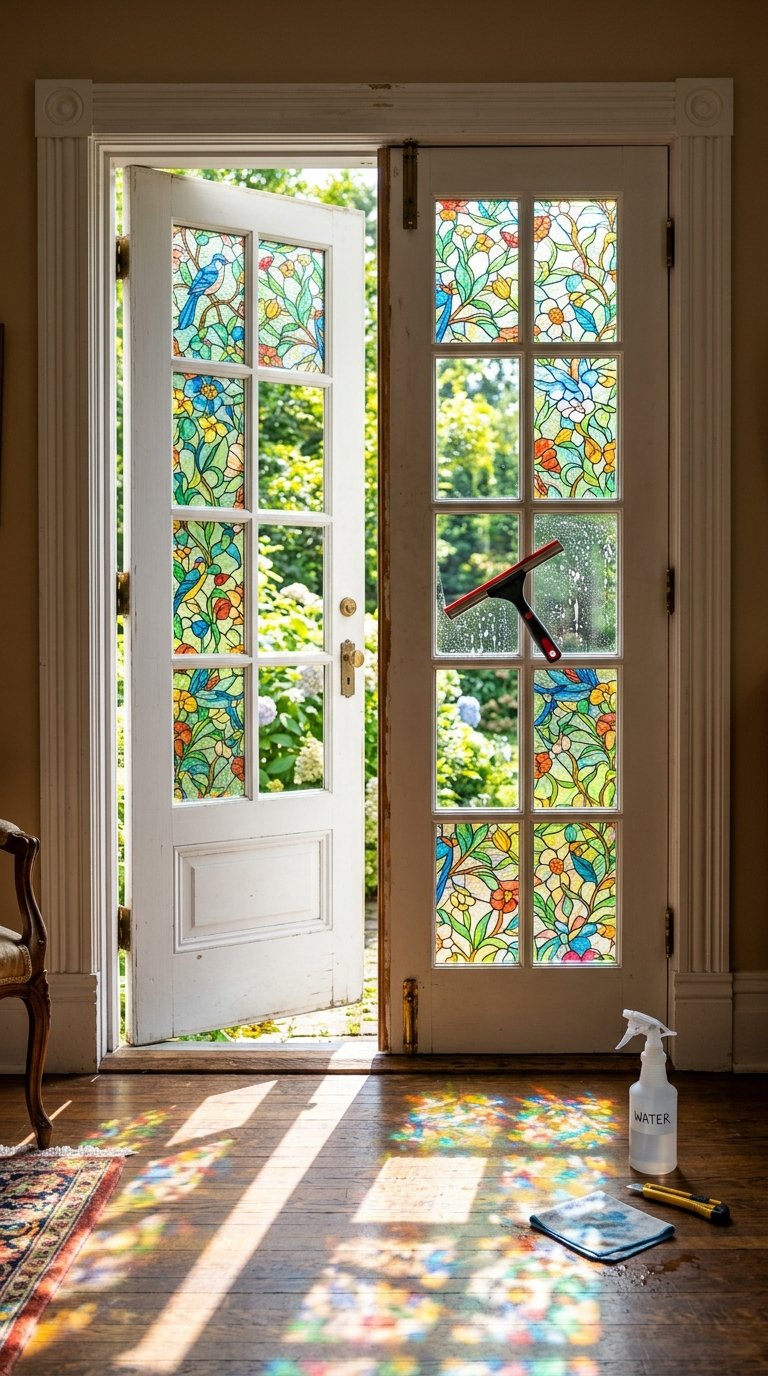
13. Stained Glass Window Film
If you have interior French doors or doors with glass paneling that offer zero privacy, you don’t need to replace the glass or hang dusty curtains. Premium static-cling stained glass or frosted window film is an inexpensive, completely reversible DIY window treatment. Using just water and a squeegee, you can apply intricate Victorian stained glass patterns, modern reeded glass textures, or simple elegant frosting that lets the light through while blocking the view.
Why This Idea Works
Window film provides the perfect balance of privacy and illumination. It allows natural light to flow uninterrupted between rooms, maintaining an open-concept feel, while the faux-glass textures instantly add historical charm or modern sophistication to plain panes.
Conclusion: Transform Your Home, One Door at a Time
Upgrading your interior doors is one of the most overlooked, yet highly impactful, ways to completely revitalize your home’s design. You do not need to settle for boring, flat, builder-grade slabs. By experimenting with premium materials, bold paints, fluted textures, or elegant hardware, you can turn a basic barrier into a stunning architectural feature that adds massive character and value to your space. Whether you tackle a quick peel-and-stick wallpaper weekend project or invest in a full hidden bookshelf conversion, these DIY upgrades prove that luxury design is totally achievable on any budget.
Now it’s your turn: Which of these 13 genius door makeovers are you most excited to try in your home? Let us know in the comments below, share this article with your favorite DIY buddy, and don’t forget to save/pin this post to your Home Decor Pinterest board for inspiration during your next weekend renovation!