
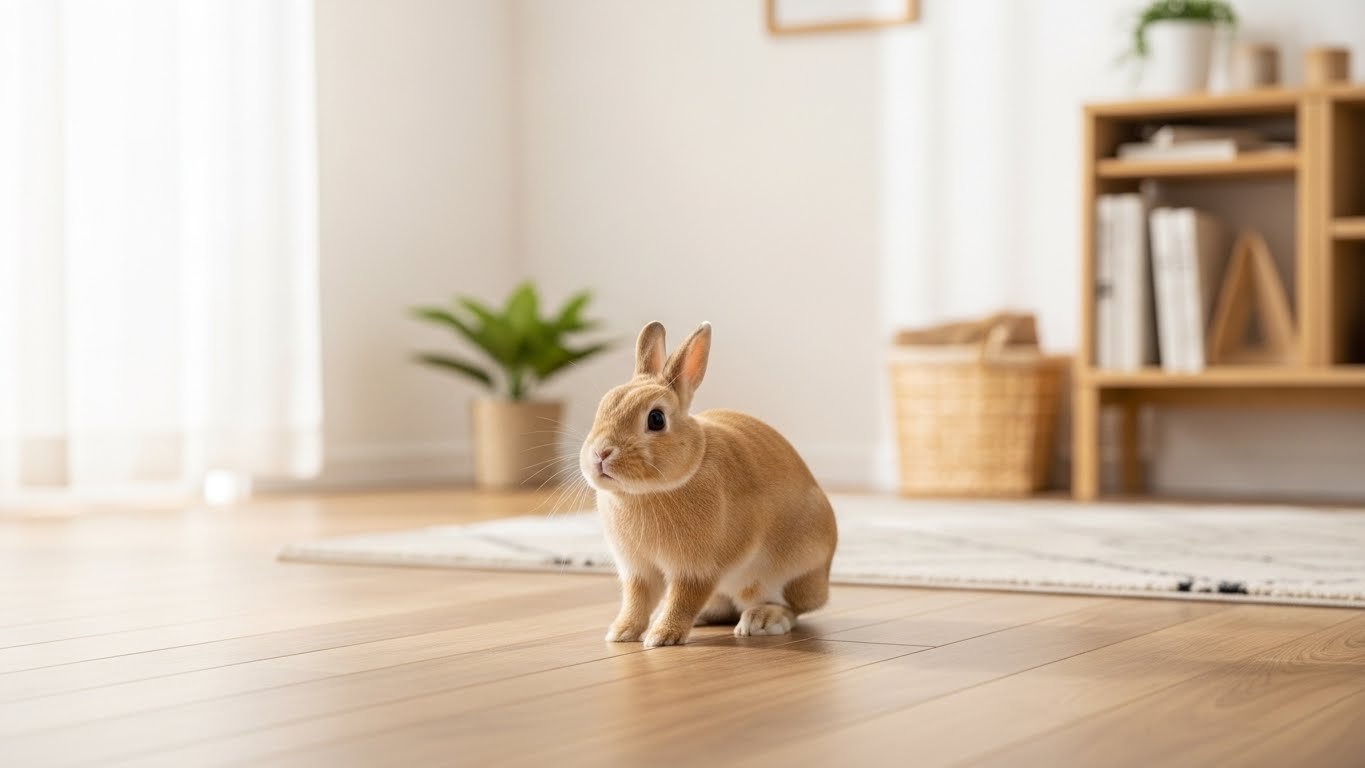
Anyone considering indoor rabbits quickly finds out that these little animals need more room than most people expect. While rabbits may look small and easy to manage, their behavior, instincts, and daily habits tell a very different story. Understanding how much space rabbits need isn’t just about giving them a comfortable life it’s about supporting their physical and emotional wellbeing.
This guide covers everything based on real-world rabbit-care experience, practical knowledge, and trusted welfare standards so readers can make informed decisions with confidence.
Why Space Matters for Rabbits
Rabbits are active, social, and naturally curious animals. In the wild, they spend their days running, digging, exploring, and interacting with other rabbits. When they live indoors, they still need the same opportunities to move freely and express natural behavior—otherwise they become stressed, bored, and even prone to health issues like muscle weakness, obesity, or depression.
Anyone who has lived with a rabbit will agree: once a rabbit feels safe enough to explore freely, their personality truly comes out. They learn their favorite corners, zoom around with excitement, and settle into cozy spots for long naps. That freedom of movement is exactly what proper space provides.
The Minimum Space Rabbits Need
Rabbit welfare groups around the world have similar recommendations: rabbits should never be kept in small cages, and their living area should allow them to hop around comfortably in multiple directions.
A good general rule is:
Minimum Living Space
- At least 12 square feet for their main enclosure
(about the size of a small indoor pen or roomy habitat)
Daily Exercise Space
- At least 32 square feet of safe, bunny-proofed room to explore
(this can be a playpen area, a rabbit-proofed bedroom, or an open living room)
This doesn’t need to be fancy it just needs to be enough open space that a rabbit can stretch, hop three to four times in a row, and stand fully upright without their ears touching the top.
People who have raised rabbits indoors often share the same lesson: the more space a rabbit gets, the happier and calmer they become.
Free-Roam vs. Enclosed Living
Some rabbit owners choose free-roam living, meaning the rabbit has access to the entire home or a large part of it—similar to how cats and dogs live. Others use large pens or gated sections to create a defined rabbit-safe space.
Both methods work well as long as the rabbit:
- Gets several hours of free movement daily
- Has space to run, hop, and explore
- Lives in an area that is safe, clean, and enriched
Rabbit caretakers who have tried both setups often note that free-roam rabbits tend to be more interactive, confident, and easygoing. But free-roaming only works when the home is properly bunny-proofed.
What a Proper Rabbit Space Should Include
Even without mentioning any products, certain elements always make indoor rabbit spaces healthier and more comfortable:
1. Room to Move
A rabbit should be able to:
- Hop around naturally
- Stretch out fully
- Stand upright
- Turn around easily
Rabbits kept in tight spaces often develop stiffness and behavioral problems.
2. Areas for Different Activities
Rabbits do best when their living space includes:
- A cozy sleep or hide area
- A clean litter area
- A section for food and hay
- Open floor space for play
People who have lived with rabbits often comment that their bunnies prefer a predictable layout—they like knowing exactly where their hay, hiding spots, and rest areas are.
3. Space for Enrichment
Rabbits need:
- Things to chew
- Tunnels or hideouts
- Soft bedding areas
- Objects to toss or nudge
Bored rabbits may chew furniture or dig carpets, not because they are “being naughty,” but because they lack stimulation.
How to Tell If a Rabbit Needs More Space
Even with the right setup, owners should watch their rabbit’s behavior. Common signs that a rabbit doesn’t have enough room include:
- Chewing everything excessively
- Restlessness or pacing
- Repeatedly pushing or biting cage bars
- Lack of zoomies or playful behavior
- Flattening themselves in a corner from stress
Healthy rabbits with adequate space will:
- Explore confidently
- Do binkies (joyful jumps)
- Stretch out long while resting
- Show curiosity and relaxed behavior
Space Needs for Different Rabbit Sizes
Small Breeds
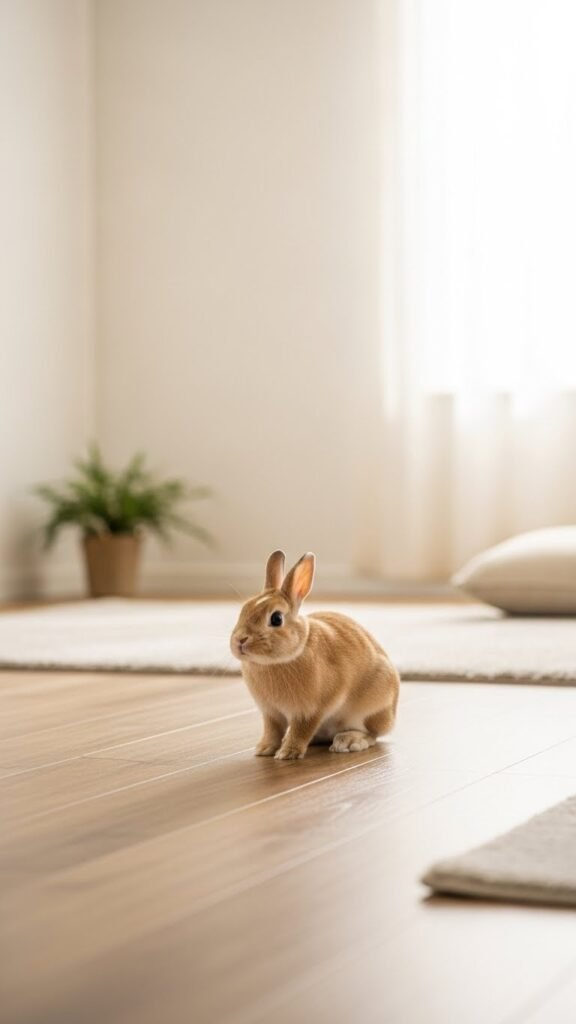
Netherlands, dwarfs, and mini breeds still need full-room exercise time. Their small size doesn’t mean small living space.
Medium Breeds
Most common indoor breeds (like mixed breeds or lops) need generous room to hop freely.
Large Breeds
Flemish Giants and other large breeds need significantly more room—ideally free-roam or a large section of the home.
Anyone who has cared for a large rabbit will confirm: they behave more like a medium-sized dog than a small pet.
Final Thoughts: Space Is Freedom for Rabbits
When rabbits have enough space, everything about their lives improves—from their behavior to their health and their bond with their human. Indoor rabbits thrive when allowed to express their natural instincts, move comfortably, and explore safely.
The most important takeaway is simple:
Give rabbits as much space as you reasonably can. More space always leads to a happier, healthier bunny.