
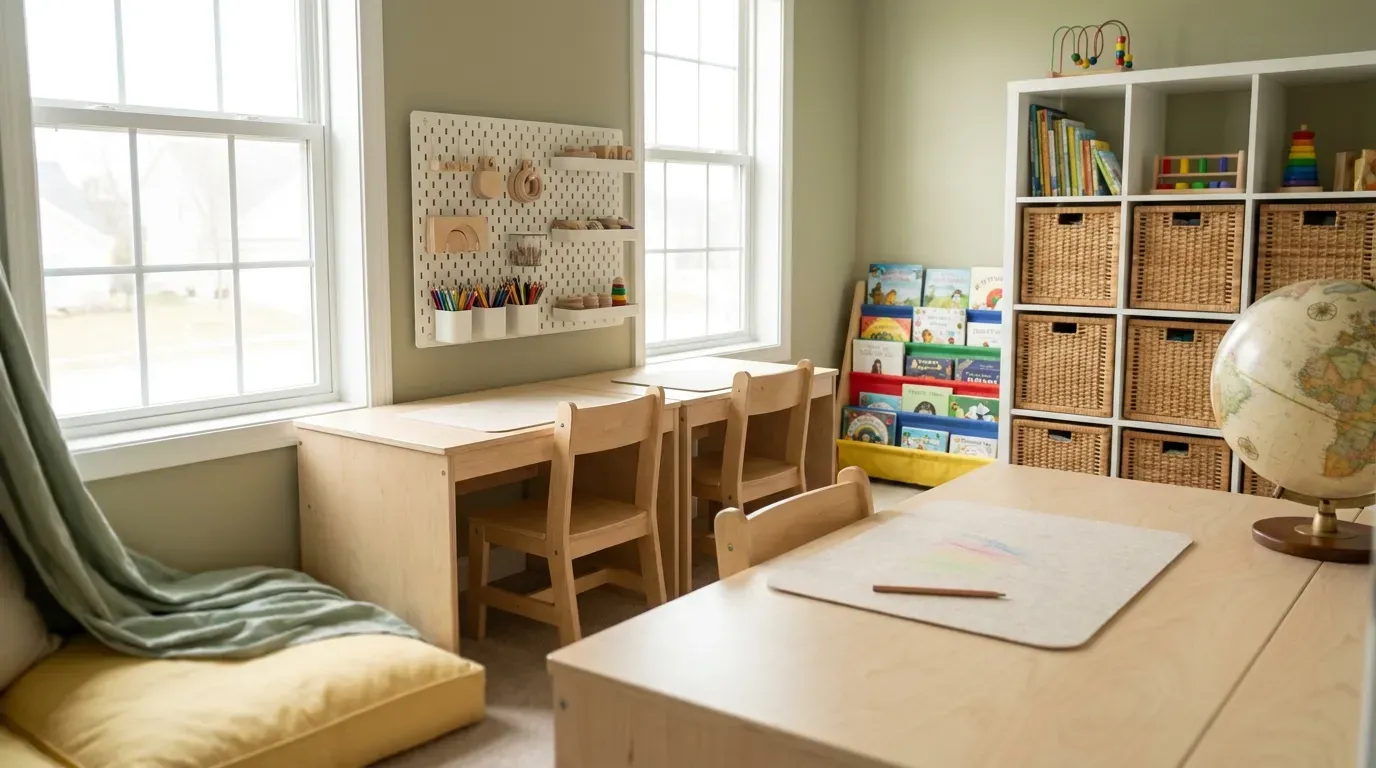
Creating a dedicated, organized learning environment at home can completely transform your daily routine, keeping students engaged and clutter out of sight. You don’t need a massive spare room or a commercial school budget to build a functional workspace. Whether you are working with a cozy dining room corner or a full basement conversion, these 13 genius homeschool room ideas will help you design a stylish, distraction-free setup that makes learning feel exciting every day.
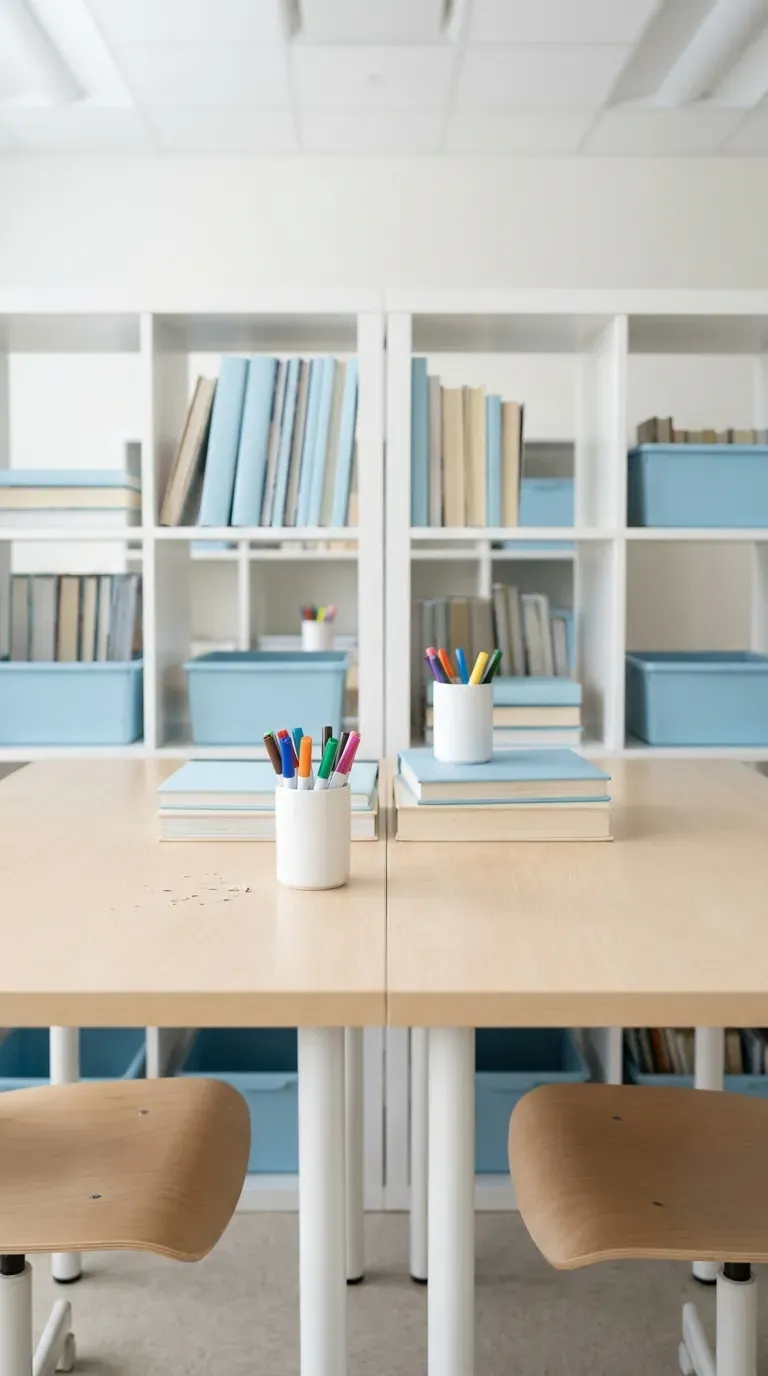
1. Double-Sided Desk Station with Built-In Center Bookcase
Position two long wooden desk tops extending out from a central shared cube bookcase to give multiple children independent workspaces while keeping shared reference books within easy arm’s reach.
Why it works: The central shelving unit acts as a physical divider that minimizes visual distractions and squabbling between siblings. It also utilizes vertical space efficiently, providing immediate access to dictionaries, calculators, and notebooks.
Budget guide: $80–$160 using budget laminate tabletops, adjustable table legs, and a standard four-cube organizer.
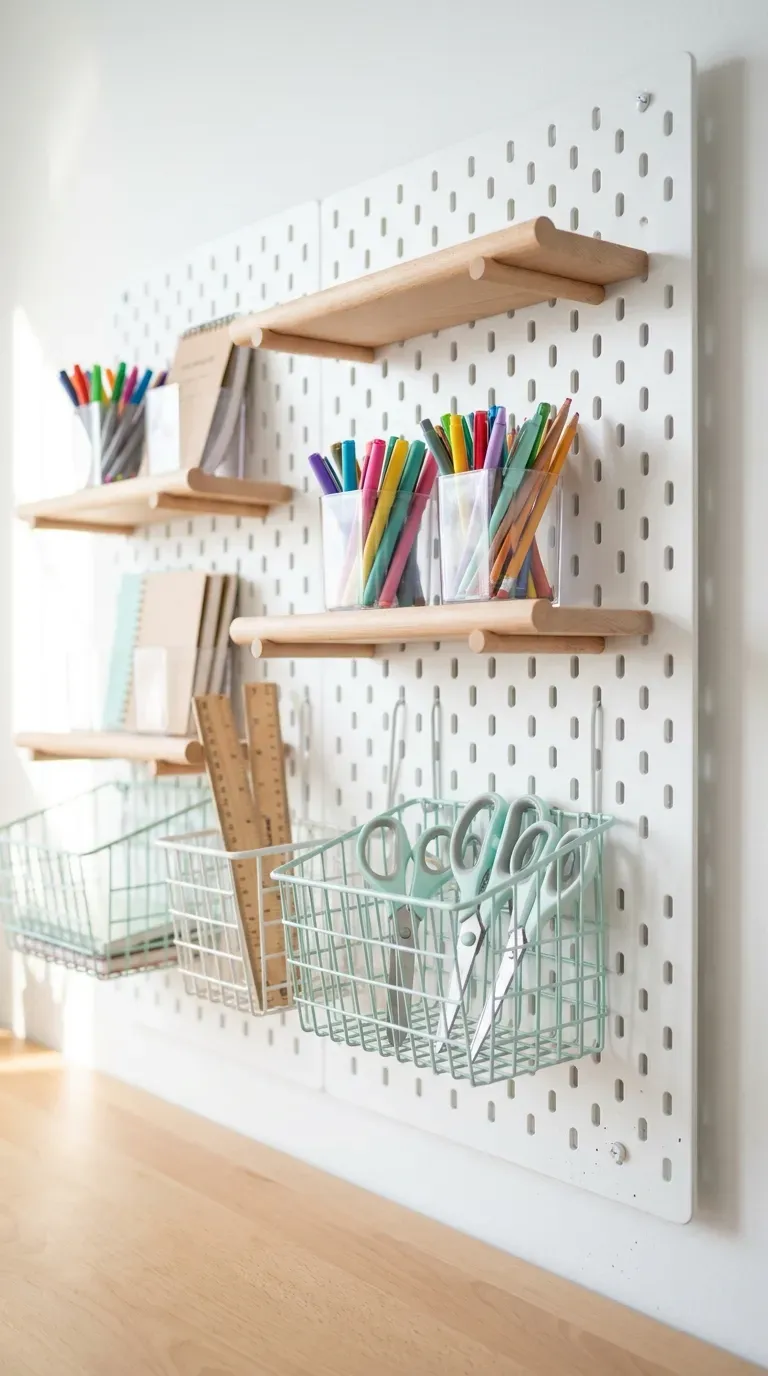
2. Wall-Mounted Pegboard Supply Organizer with Wooden Dowels
Mount a large birch plywood or metal pegboard directly above the primary study desk, using hanging bins, brass hooks, and small shelves to hold craft supplies, scissors, rulers, and headphones.
Why it works: Pegboards utilize vertical wall space to keep desktop surfaces clear of clutter and ready for active assignments. The modular layout can be rearranged in minutes as lesson plans and grade levels change throughout the school year.
Budget guide: $30–$65 for a standard pegboard sheet, mounting hardware, and an assorted craft peg hook kit.
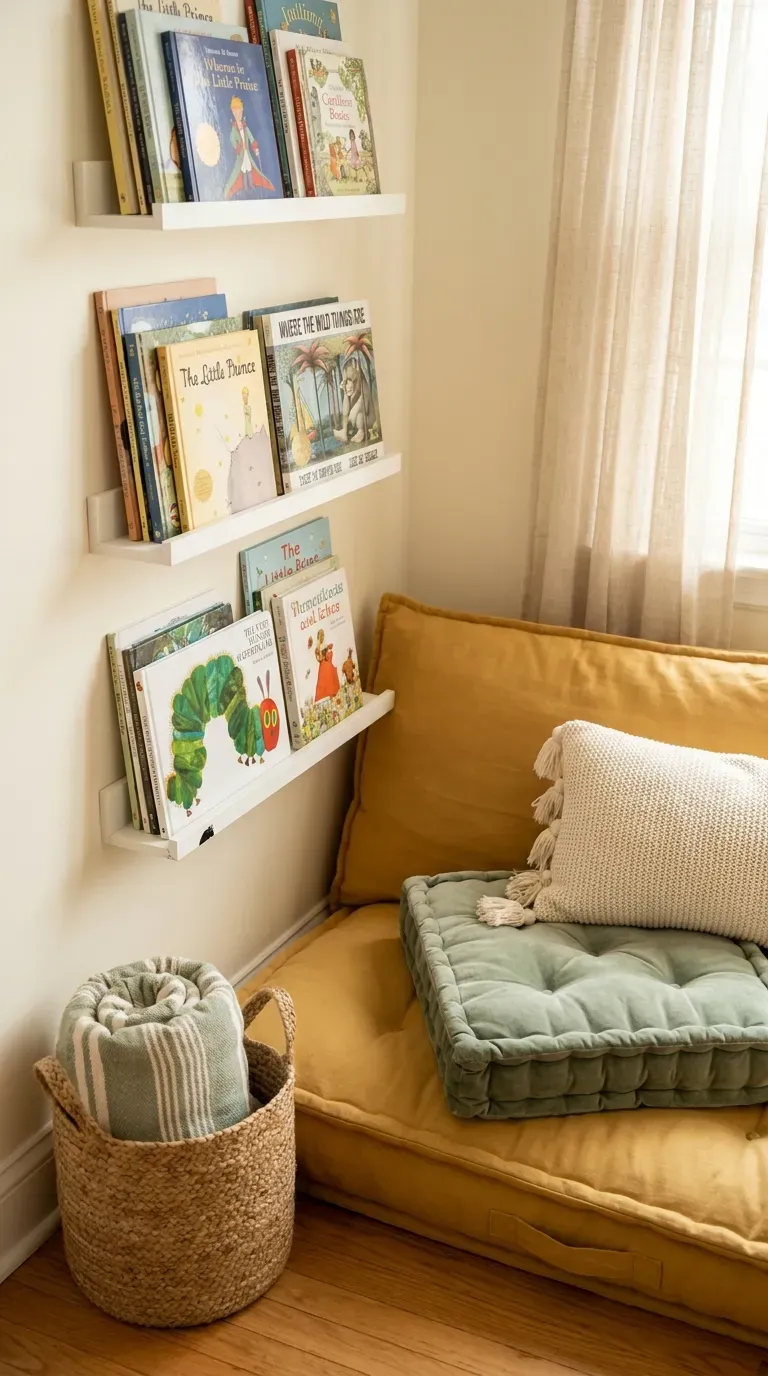
3. Cozy Corner Reading Nook with Floating Ledge Book Displays
Transform an unused corner into an inviting literature nook by layering an oversized floor cushion, plush throw pillows, and several wall-mounted picture ledges showing book covers face-out.
Why it works: Displaying book covers face-out instead of by their spines catches children’s visual attention and encourages independent reading. A soft, relaxed seating zone offers a comfortable alternative to standard desk chairs for quiet reading time.
Budget guide: $35–$70 for two floating picture ledges, an oversized tufted floor cushion, and throw pillows.
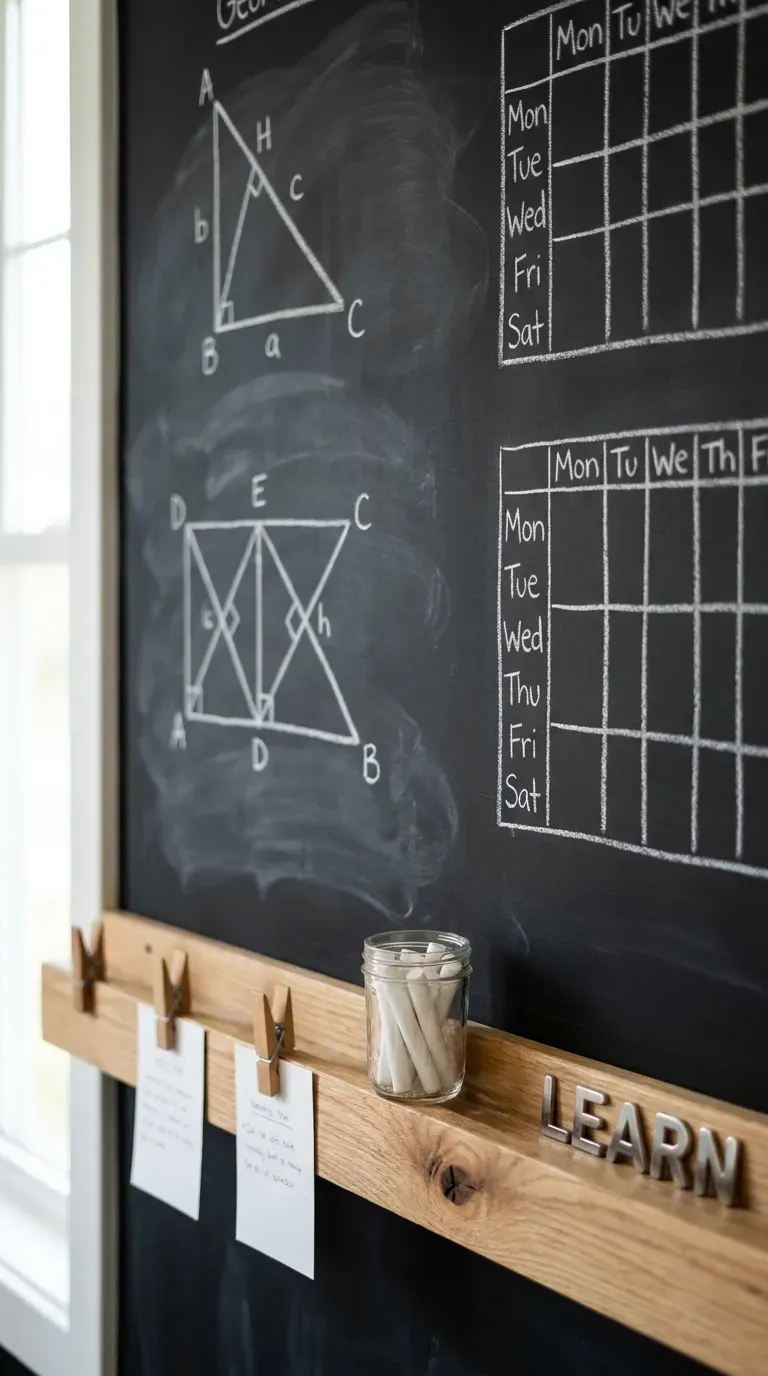
4. Magnetic Chalkboard Wall for Daily Schedules and Math
Coat a prominent wall in dark magnetic primer followed by matte black chalkboard paint to create an interactive command center for daily schedules, spelling drills, and large-scale math practice.
Why it works: Standing to solve equations or diagram sentences engages gross motor skills and provides a welcome physical break from sitting. The magnetic backing allows you to easily display daily assignment cards, alphabet magnets, and completed worksheets.
Budget guide: $45–$80 for magnetic wall primer, chalkboard paint, and dustless liquid chalk markers.
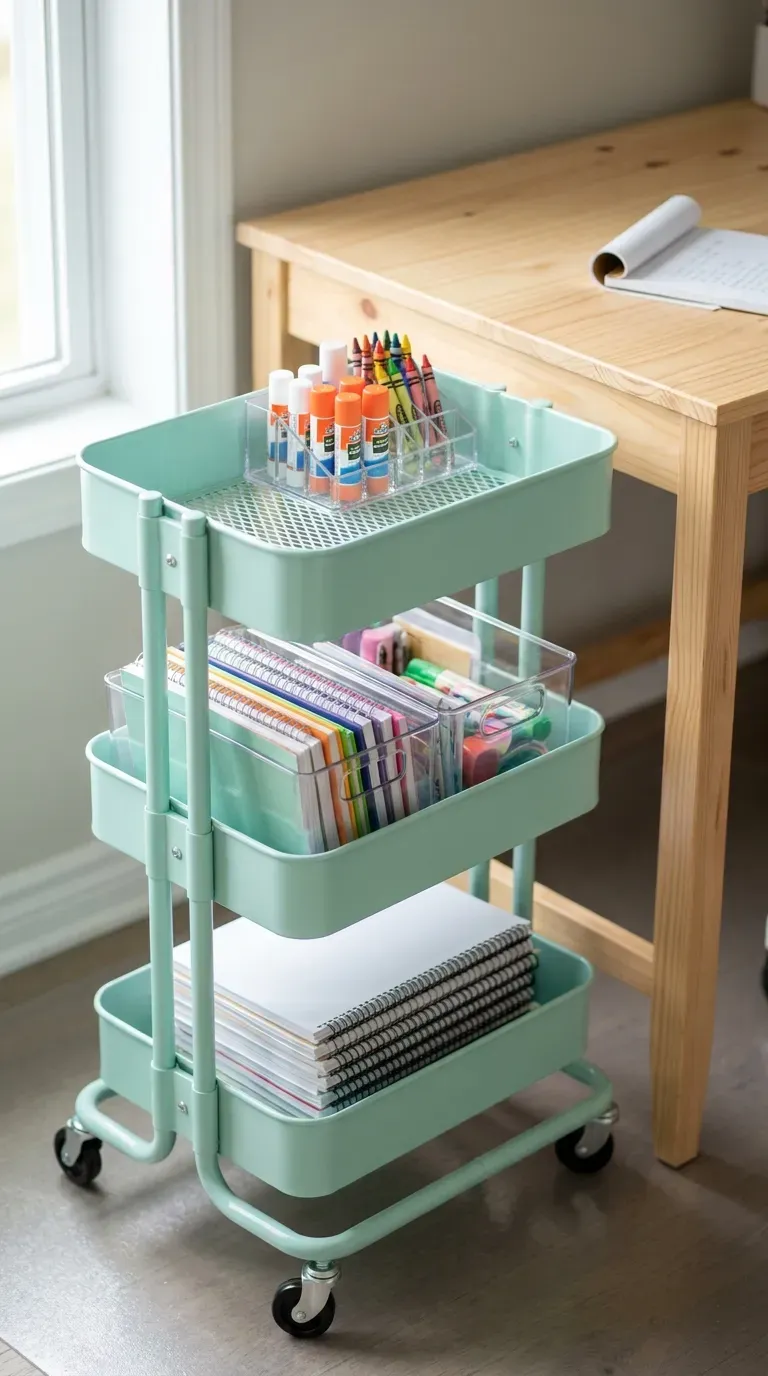
5. Rolling Three-Tier Metal Cart for Mobile Subject Carts
Assign each child or core subject its own rolling utility cart equipped with labeled plastic bins, clipboards, pencil pouches, and workbooks that can move effortlessly from room to room.
Why it works: Mobile utility carts allow you to pack up the homeschool day in seconds, making them a game-changer for families using shared kitchen or dining room spaces. Everything stays organized in designated tiers without monopolizing permanent table space.
Budget guide: $25–$45 per heavy-duty rolling three-tier steel utility cart.
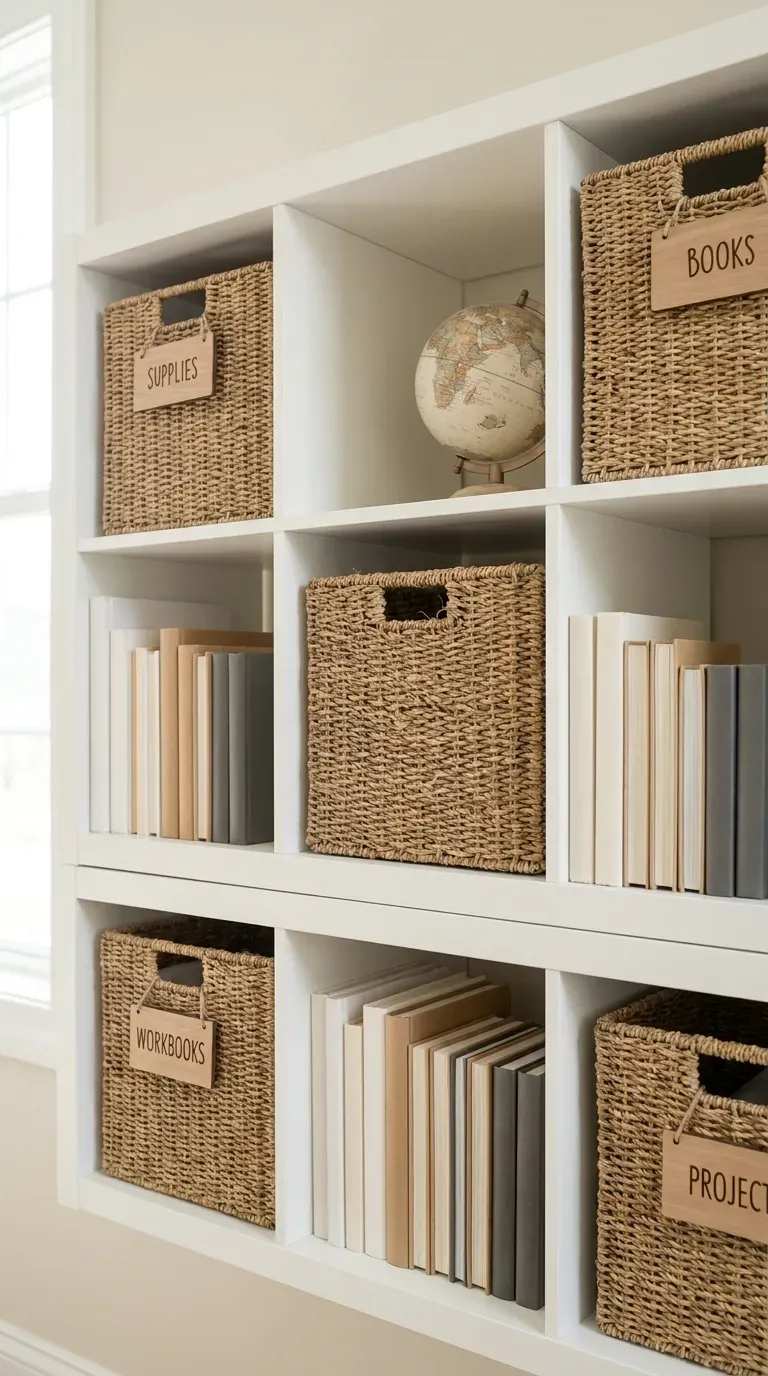
6. Symmetrical Cube Storage Bins with Woven Baskets and Labels
Line an entire wall with eight- or twelve-cube shelving units fitted with natural woven seagrass baskets and chalkboard label tags to conceal curriculum clutter and manipulative toys.
Why it works: Cube storage systems provide uniform, clean lines that make busy educational spaces look immediately tidy and peaceful. Opaque woven bins hide visually chaotic supplies while custom labels allow children to put items away independently.
Budget guide: $70–$140 for a multi-cube shelving unit, and $30–$55 for a set of fabric or woven seagrass cube bins.
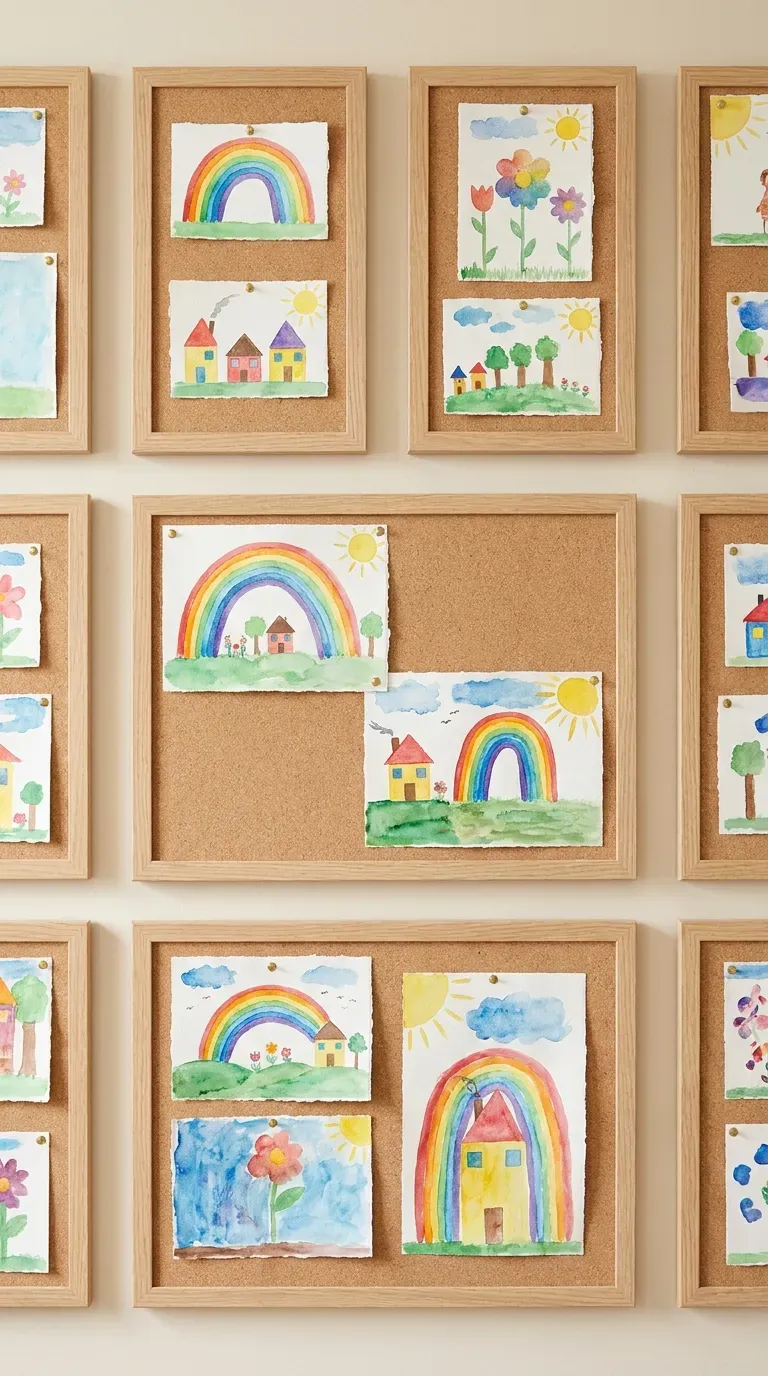
7. Framed Corkboard Gallery for Rotating Student Artwork
Create a streamlined student gallery wall by mounting a grid of six identical wood-framed cork bulletin boards to proudly display weekly art projects, spelling awards, and science diagrams.
Why it works: A cohesive grid of matching frames unifies rotating student work and prevents art displays from looking like chaotic paper clutter. Children feel a strong sense of pride and ownership when their accomplishments are displayed in an elevated gallery format.
Budget guide: $30–$60 for a multi-pack of matching framed cork tiles and decorative wooden push pins.
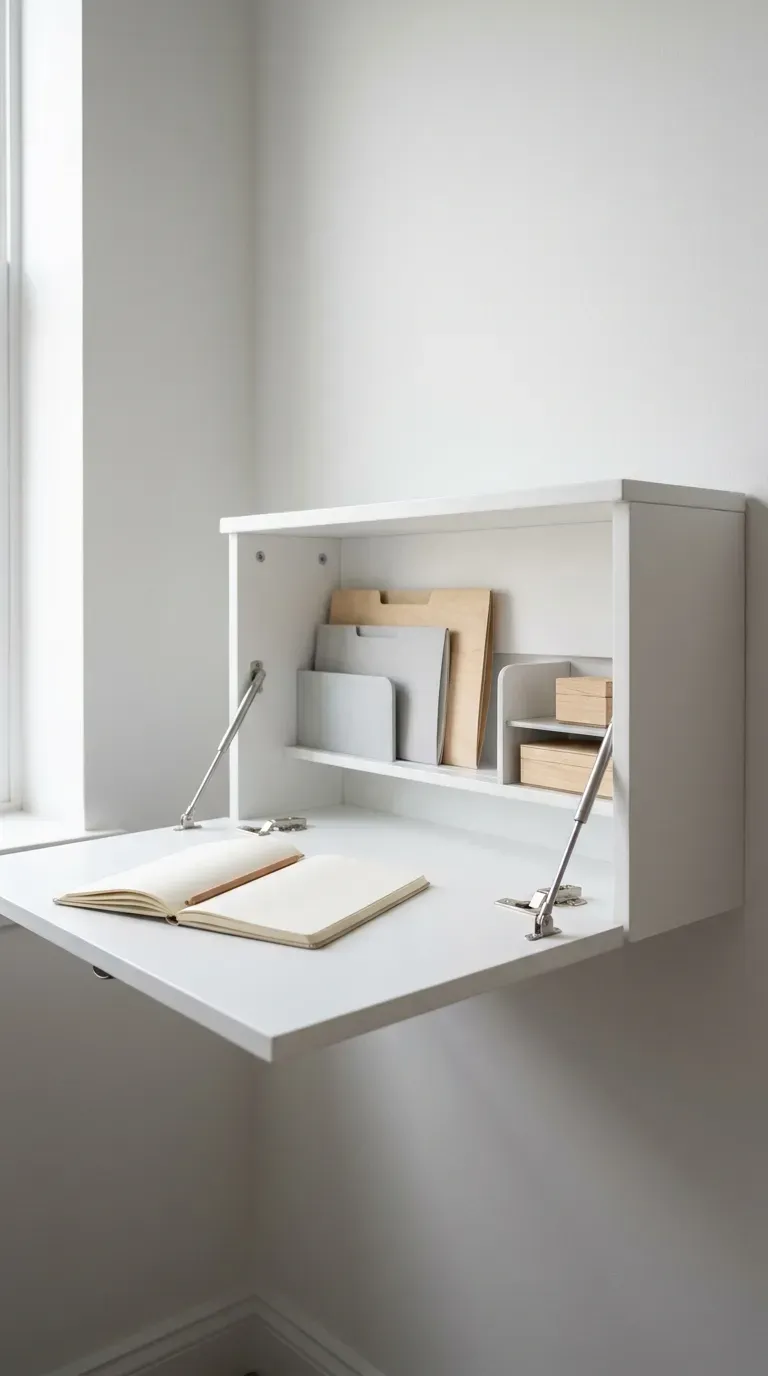
8. Drop-Down Floating Wall Desk for Small Spaces
Install a wall-mounted fold-down floating desk that opens into a sturdy writing surface with built-in interior mail slots, then folds flat against the wall when school hours are over.
Why it works: Fold-down desks are ideal for small apartments or multipurpose guest rooms, taking up zero square footage of floor space when closed. The compact interior compartments keep daily workbooks and pens neatly organized behind the closed door.
Budget guide: $60–$120 for a wall-mount fold-out floating secretary desk unit.
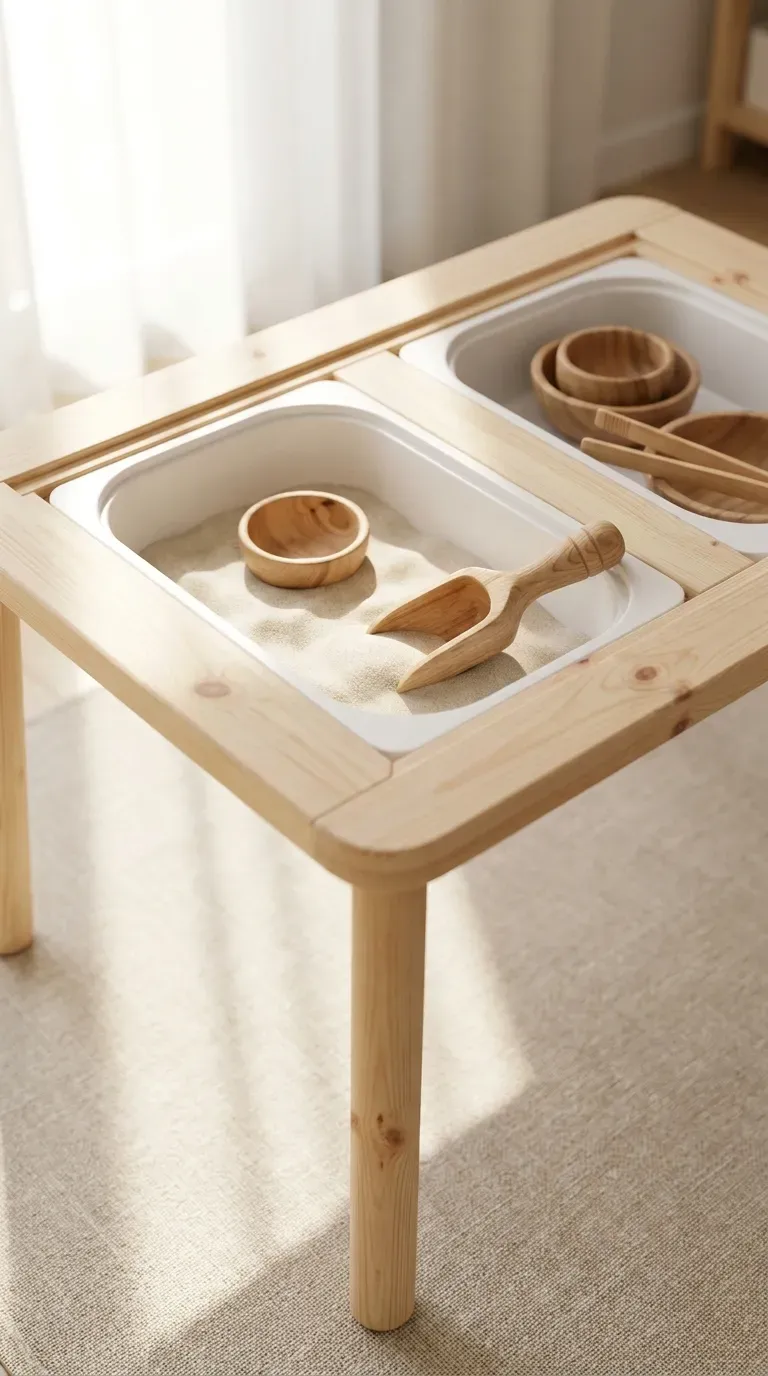
9. Earthy Natural Wood Montessori Sensory Station
Set up a low-profile natural wood sensory table with removable sunken bins for kinetic sand, water beads, dry beans, and wooden sorting trays for hands-on, tactile exploration.
Why it works: Tactile learning builds fine motor strength and cognitive connections for early learners and kinesthetic students. Keeping the table at child height empowers young learners to access and explore materials independently.
Budget guide: $50–$110 for a wooden activity table with recessed plastic bins and lid covers.
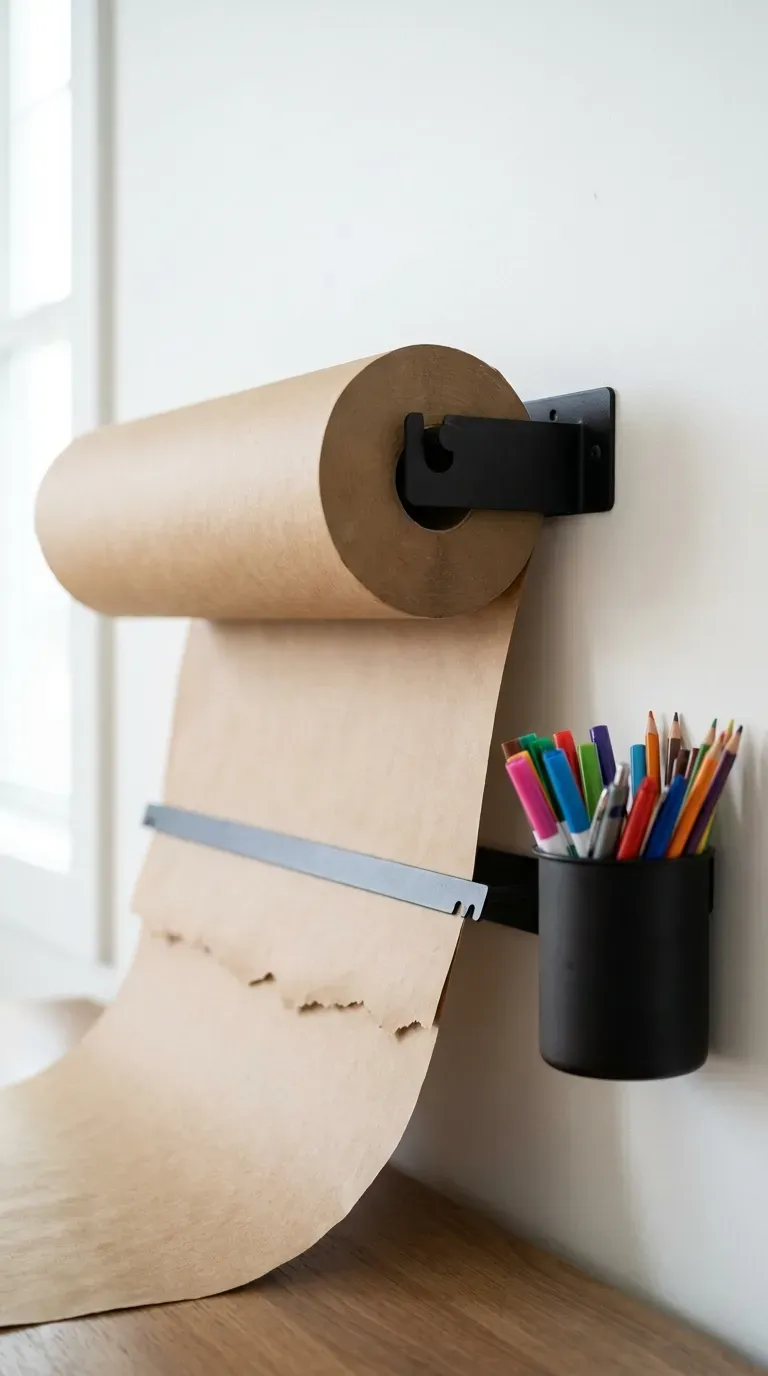
10. Wall-Mounted Kraft Paper Roll for Big Brainstorming
Mount a horizontal black iron dispenser bracket holding an oversized roll of brown kraft butcher paper on the wall, pulling the paper down under a guide rail for timelines, spelling lists, and big group mind-maps.
Why it works: Having an endless supply of large-scale paper encourages creative brainstorming, historical timeline drafting, and large art projects without burning through stacks of loose sheets. You simply tear off the used section when a unit study is complete.
Budget guide: $25–$45 for a heavy-duty wall-mounted paper roller bracket and a large roll of kraft paper.
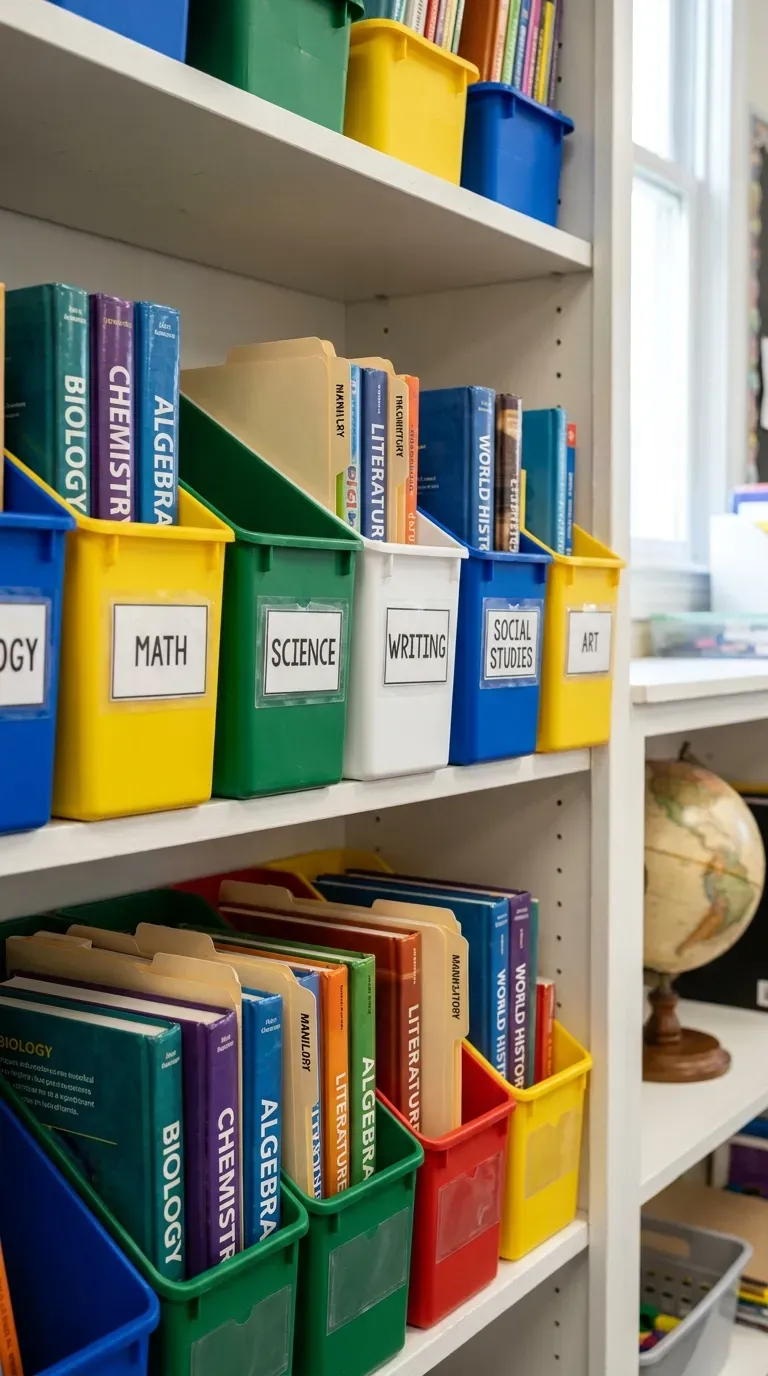
11. Individual Color-Coded Book Bins by Subject and Child
Organize open classroom shelving with sturdy, color-coded plastic book tubs or wooden magazine holders, assigning distinct colors for each child or academic subject (math, science, history, language arts).
Why it works: Color coding eliminates daily morning confusion by helping students instantly identify their assigned curriculum without digging through stacks of books. It streamlines independent transitions between subjects during the homeschool day.
Budget guide: $15–$30 for a set of six heavy-duty interlocking plastic book bins with front label pouches.
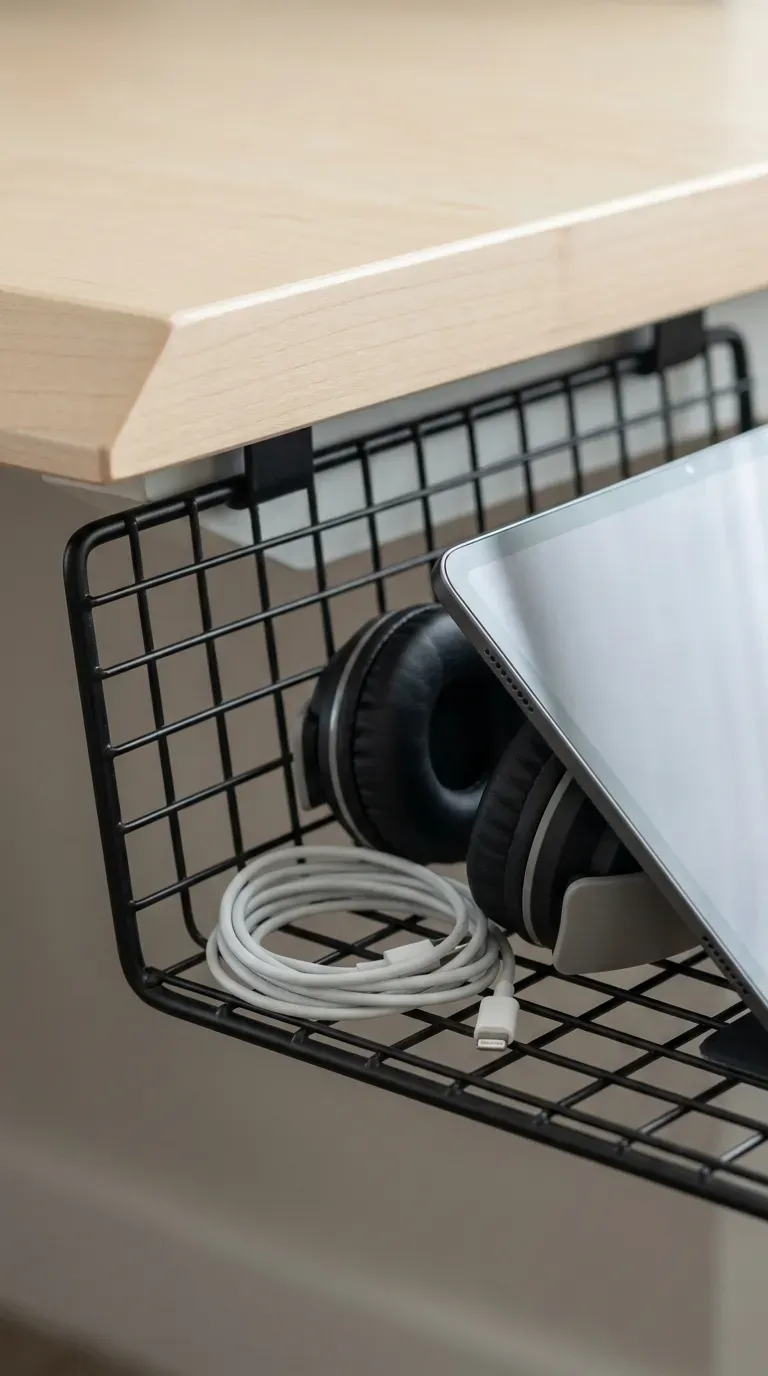
12. Under-Desk Wire Basket Storage for Extra Tablets and Tech
Mount shallow steel wire mesh baskets underneath the desk surface, pairing them with adhesive cord clips to store charging tablets, digital drawing pads, and headphones out of sight.
Why it works: Modern homeschooling often incorporates educational tablets and laptops that clutter desk surfaces when not in use. Under-desk wire storage keeps expensive electronics protected, charged, and within reach while keeping tabletops completely clear.
Budget guide: $15–$30 for a pair of slide-in or screw-mounted under-desk wire storage baskets and cable management ties.
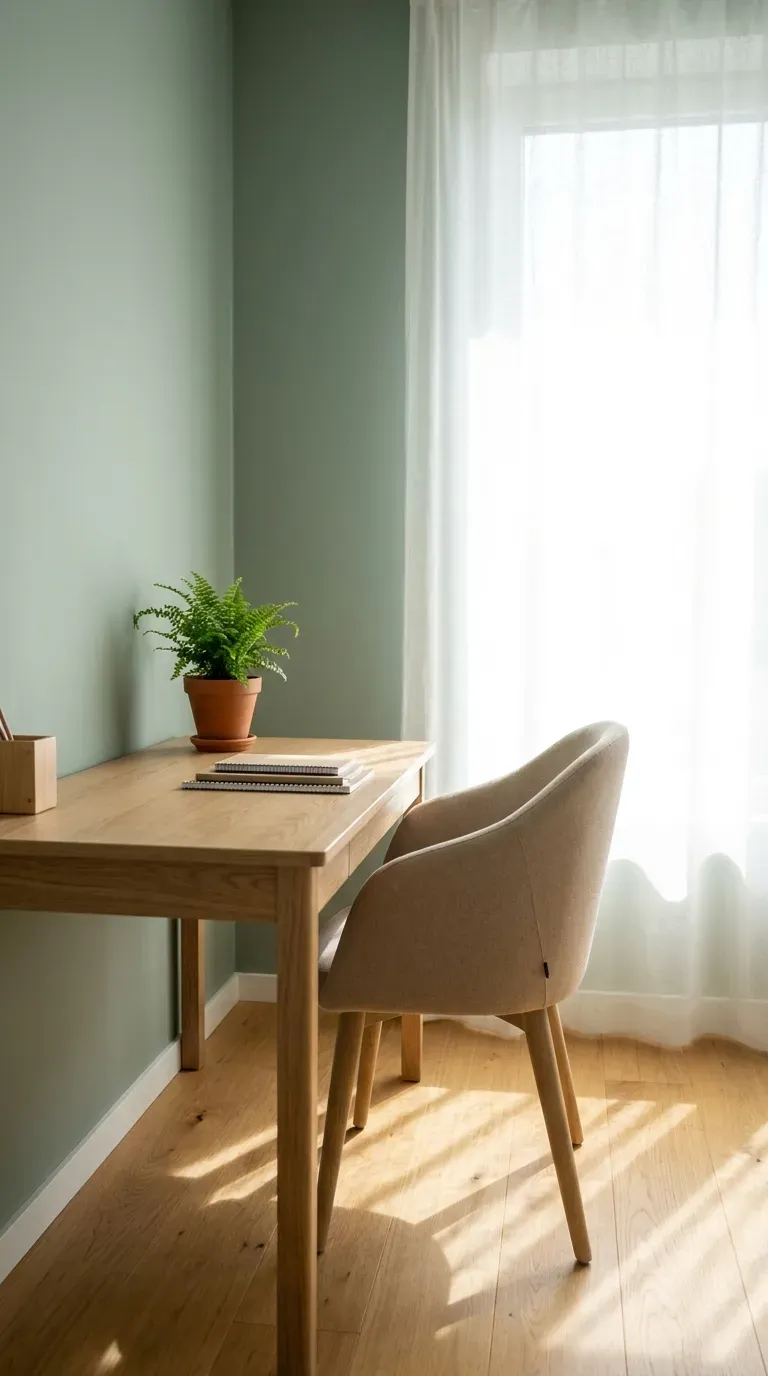
13. Calming Earth-Tone Palette with Natural Daylight Seating
Paint the homeschool space in a soothing muted sage green or warm oat milk shade, positioning student desks perpendicular to large natural windows to optimize daylight while avoiding direct screen glare.
Why it works: Soothing earth tones lower heart rates and promote sustained mental focus during challenging lessons. Maximizing natural daylight boosts alertness and mood, reducing eye strain throughout long study sessions.
Budget guide: $35–$65 for a gallon of low-VOC matte wall paint and roller supplies.
Conclusion
Designing an engaging, highly organized homeschool environment doesn’t require commercial classroom equipment or endless square footage. By incorporating smart vertical pegboards, mobile utility carts, and cozy reading nooks into your layout, you can create an inspiring space that encourages independent learning and keeps daily clutter under control. Pick two or three practical organization upgrades to start with this weekend, and save this guide for your next learning space refresh!