
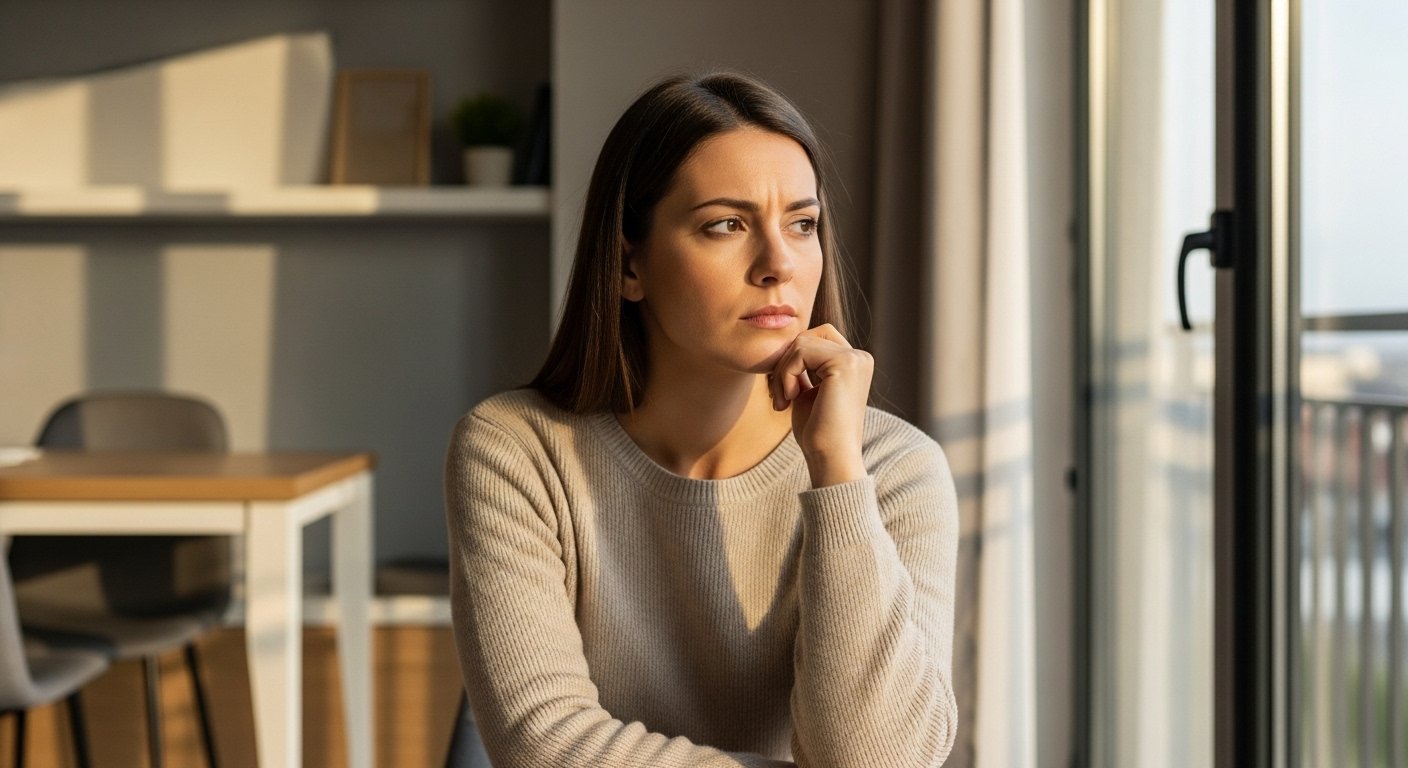
Marriage is often entered with hope, commitment, and the belief that love will “work itself out.” But for some people, a painful realization slowly surfaces: something feels fundamentally off. Not every struggling marriage means you married the wrong person but some signs point to deeper incompatibility rather than temporary difficulty.
This article explores 8 quiet but powerful signs you may have married the wrong person, especially when the relationship feels heavy instead of supportive. These signs are not about blame. They’re about awareness.
Sometimes the hardest truth isn’t that love failed it’s that love was never aligned.
You Feel More Alone in the Marriage Than You Ever Did Single

Marriage is meant to reduce loneliness, not deepen it. One of the clearest red flags is feeling emotionally isolated despite sharing a life with someone.
This can look like:
- Not feeling understood or emotionally seen
- Keeping thoughts and feelings to yourself to avoid conflict
- Feeling like you’re living parallel lives under one roof
Loneliness inside a marriage is often more painful than being single. It quietly signals a lack of emotional connection, not just temporary distance.
Your Core Values Constantly Clash
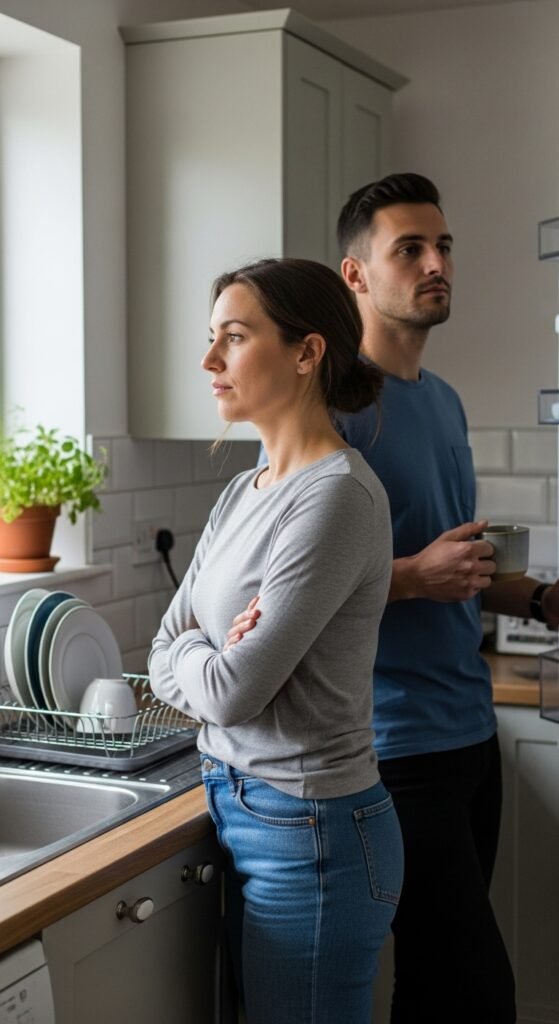
Every couple disagrees, but core values such as honesty, family, faith, finances, or respect—should generally align. When they don’t, life becomes a constant negotiation.
Signs of value misalignment include:
- Ongoing arguments about major life decisions
- Feeling like you’re compromising who you are
- Resentment over lifestyle or priorities
When values clash, love alone struggles to hold the marriage together.
You Feel You Have to Shrink to Keep the Peace
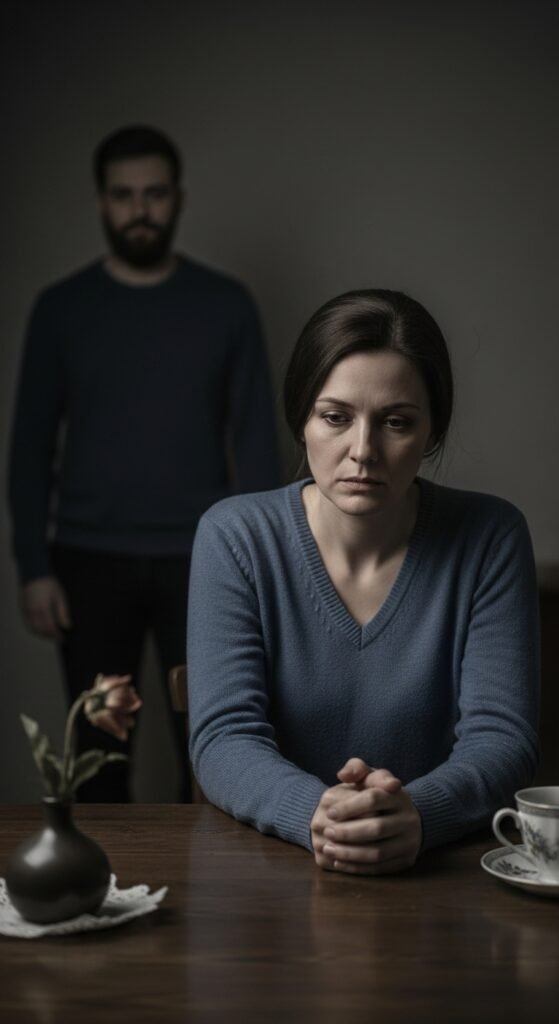
Healthy love allows growth. In unhealthy dynamics, peace comes at the cost of self-expression.
You may notice:
- You censor your opinions
- You hide parts of your personality
- You avoid topics that matter to you
Over time, shrinking becomes exhausting. A marriage that requires you to disappear is not sustainable.
Problems Never Truly Get Resolved
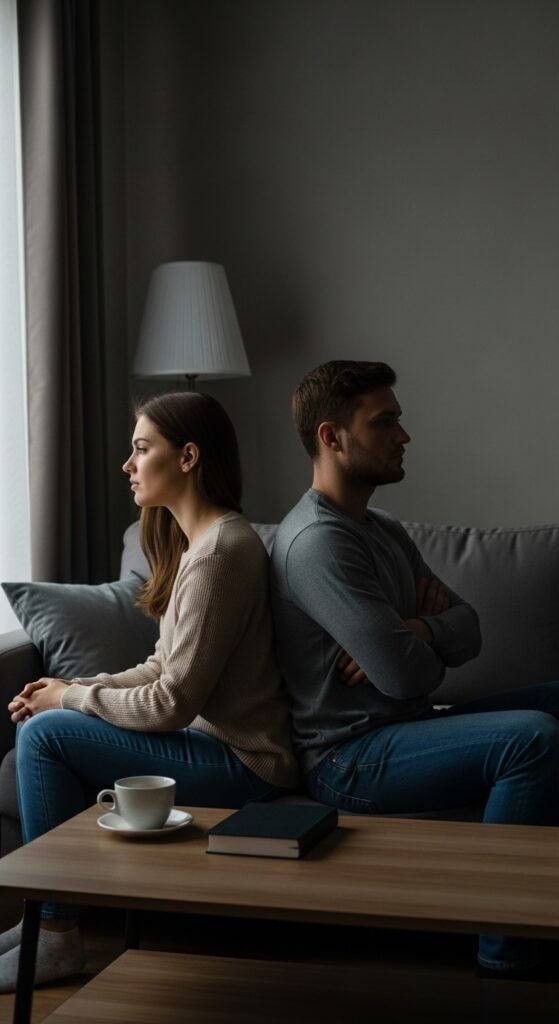
All marriages face issues. The difference lies in how they are handled. In some marriages, the same problems repeat for years without resolution.
This often includes:
- Apologies without change
- Circular arguments
- Promises that are never kept
When issues are constantly swept under the rug, resentment grows. Healing requires effort from both sides.
You Feel Emotionally Unsafe Being Honest
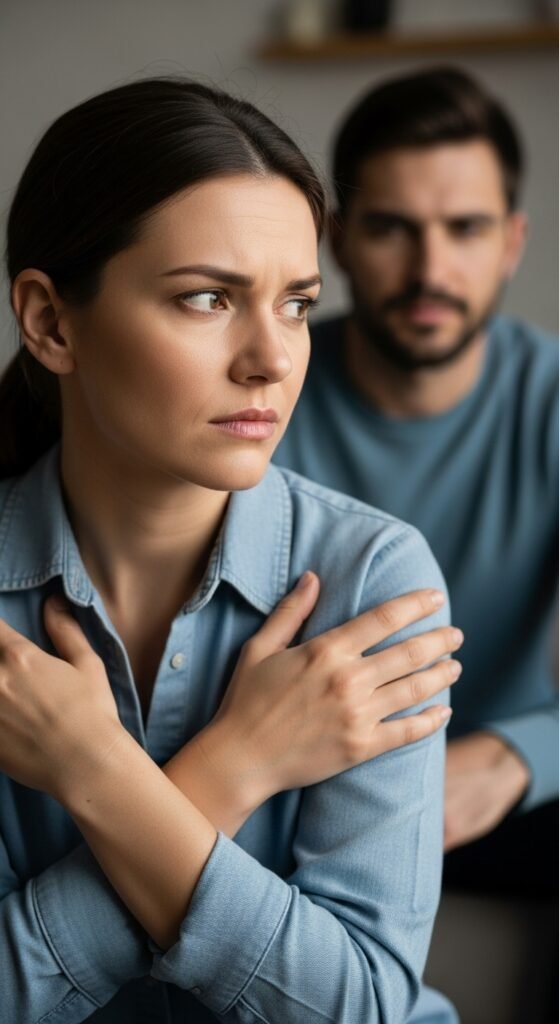
Emotional safety is foundational. If honesty leads to punishment, withdrawal, or ridicule, openness dies.
Signs of emotional unsafety include:
- Fear of expressing needs
- Walking on eggshells
- Being met with defensiveness or blame
Love cannot thrive where vulnerability feels dangerous.
Your Mental or Emotional Health Has Declined Since Marriage
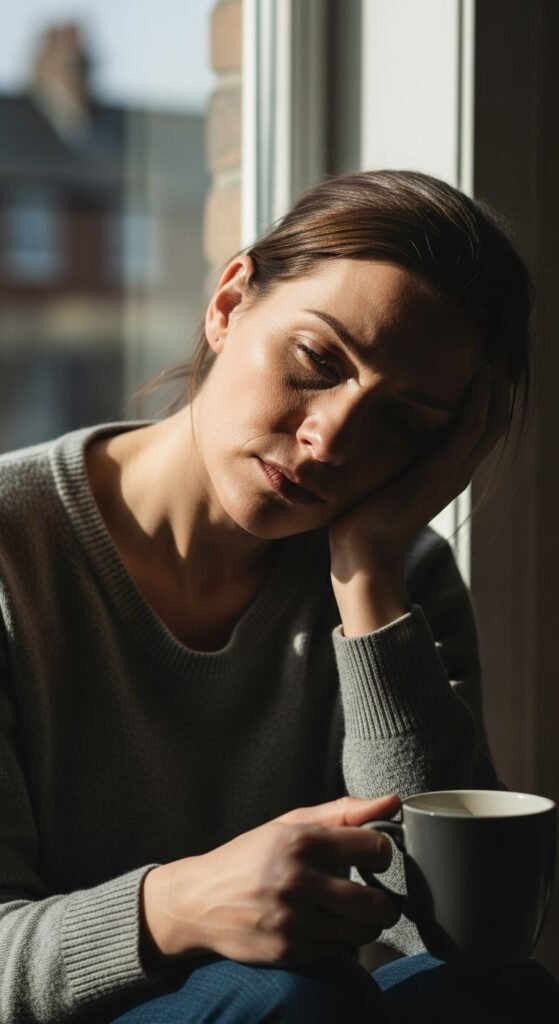
While marriage won’t solve personal struggles, it should not be the source of constant emotional distress.
Red flags include:
- Increased anxiety or sadness
- Feeling emotionally drained most days
- Losing confidence or self-worth
Many people look back and realize their well-being changed after marriage—not because of life stress, but because of the relationship itself.
You Stay Because of Fear, Not Love
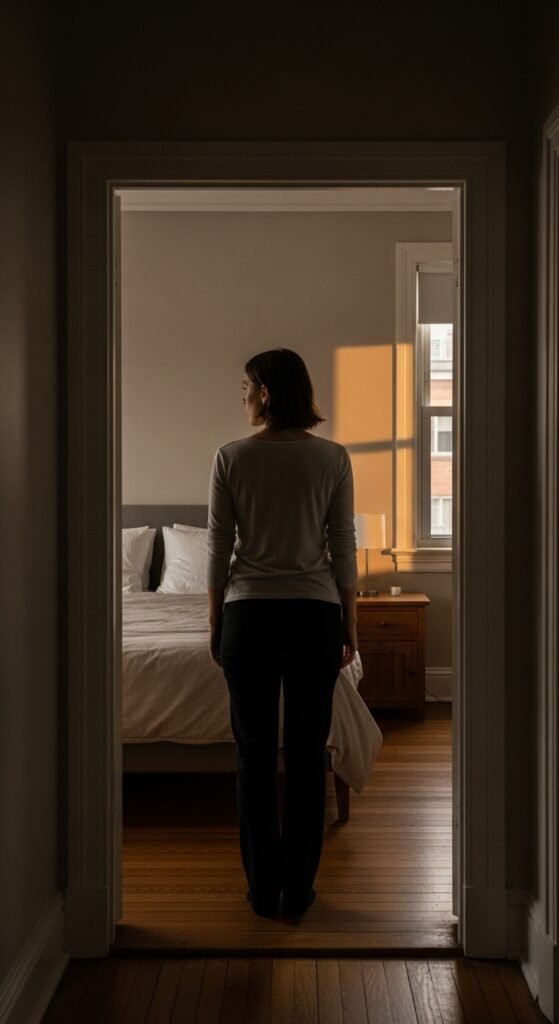
Staying married should be a choice rooted in commitment and care—not fear.
Fear-based reasons include:
- Fear of judgment
- Fear of starting over
- Fear of disappointing family or children
When fear replaces love as the main reason for staying, it’s time for honest self-reflection.
A Part of You Knows — Even If You Don’t Want to Admit It
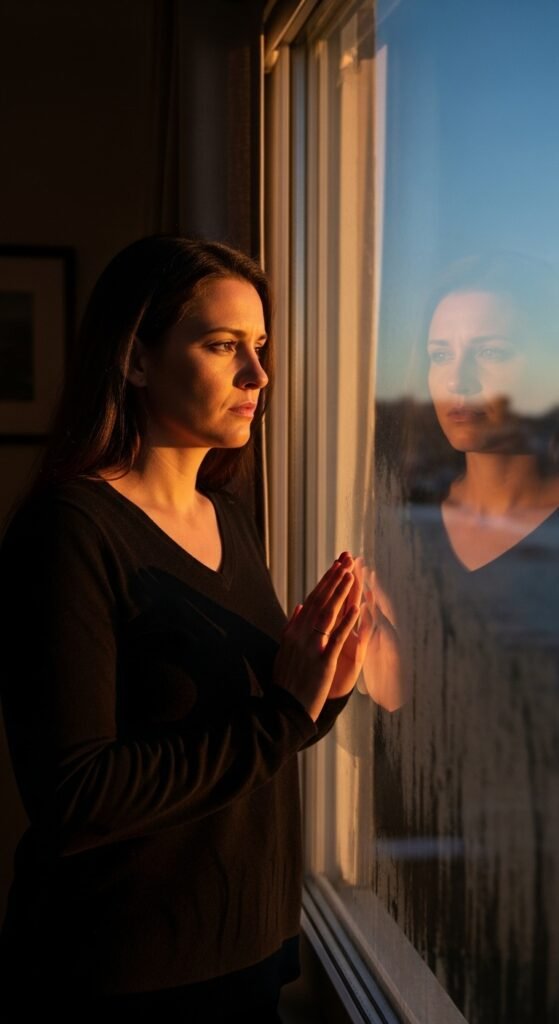
Perhaps the most difficult sign is intuitive. Deep down, there’s a quiet knowing.
This may sound like:
- “Something isn’t right.”
- “This isn’t the life I imagined.”
- “I feel stuck, not chosen.”
Ignoring intuition doesn’t make it disappear. It waits—until you’re ready to listen.
Final Thoughts
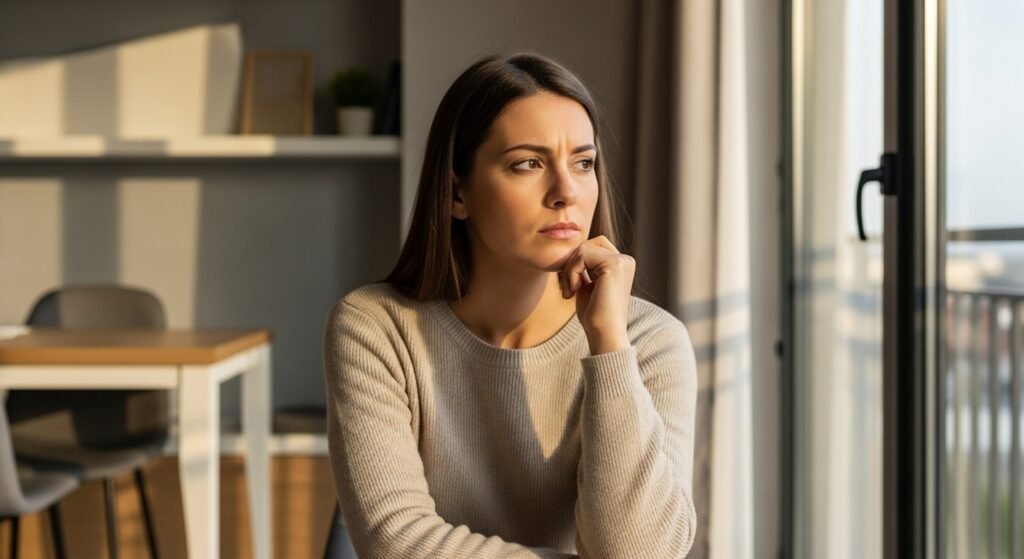
Realizing you may have married the wrong person is not a failure—it’s a moment of truth. Some marriages can heal with awareness, effort, and guidance. Others reveal incompatibilities that love alone cannot fix.
Clarity is not cruelty. Self-honesty is not selfish.
You are allowed to want a marriage that feels safe, supportive, and aligned — not just one that looks good on the outside.