

Marriage goes through seasons, and not every rough patch means regret. Still, some behaviors point to deeper dissatisfaction that shouldn’t be ignored. Regret in marriage often shows up quietly through distance, withdrawal, and emotional shifts rather than dramatic statements. Understanding these signs can help you separate temporary stress from a more serious emotional disconnect.
He’s Emotionally Checked Out
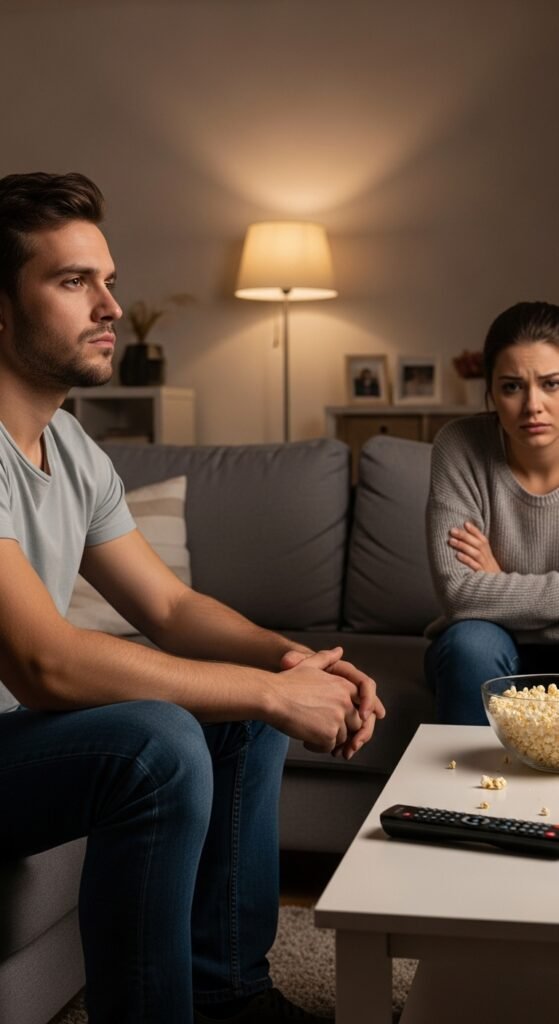
When a husband regrets his marriage, emotional presence often fades first. Conversations feel surface-level, and he no longer shares thoughts, worries, or feelings. You may feel like you’re living with a roommate rather than a partner. Emotional withdrawal is a common self-protection response when someone feels trapped or unhappy.
He Avoids Spending Time With You
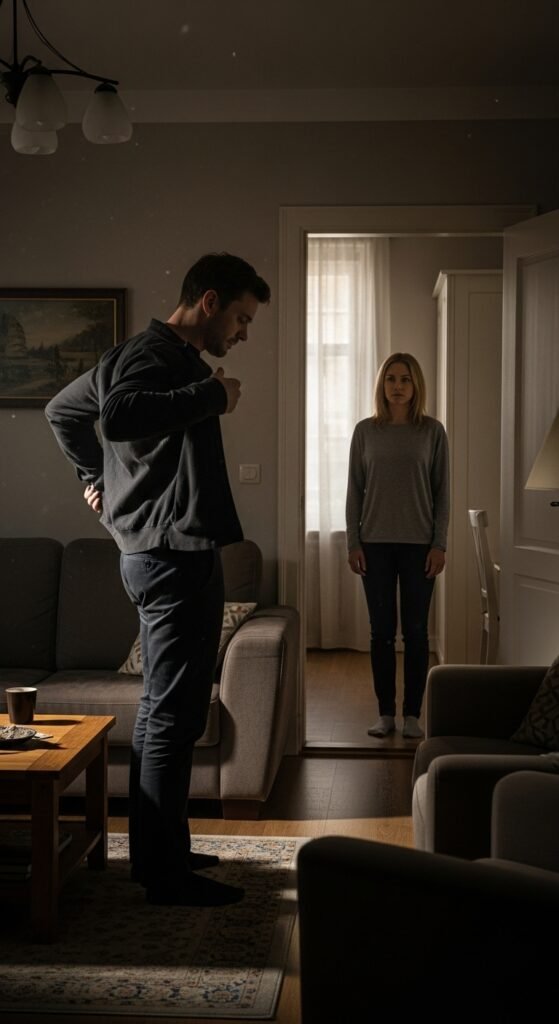
If he consistently chooses work, hobbies, friends, or screens over time with you, it may reflect avoidance rather than busyness. Regret often makes togetherness feel heavy instead of comforting. Over time, quality time disappears, leaving you feeling unwanted or ignored.
He Frequently Brings Up “What If” Scenarios

Comments about how life might have been different, easier, or happier if he’d made other choices can be subtle signs of regret. These statements often surface as jokes or passing remarks, but they reflect internal dissatisfaction. Constant comparison to alternate lives or relationships is a red flag.
Affection and Intimacy Have Declined

Physical and emotional intimacy usually decrease when regret sets in. Hugs, kisses, cuddling, and emotional closeness become rare or feel forced. While intimacy naturally fluctuates in marriage, a long-term lack of warmth often signals emotional distance.
He Blames You for His Unhappiness
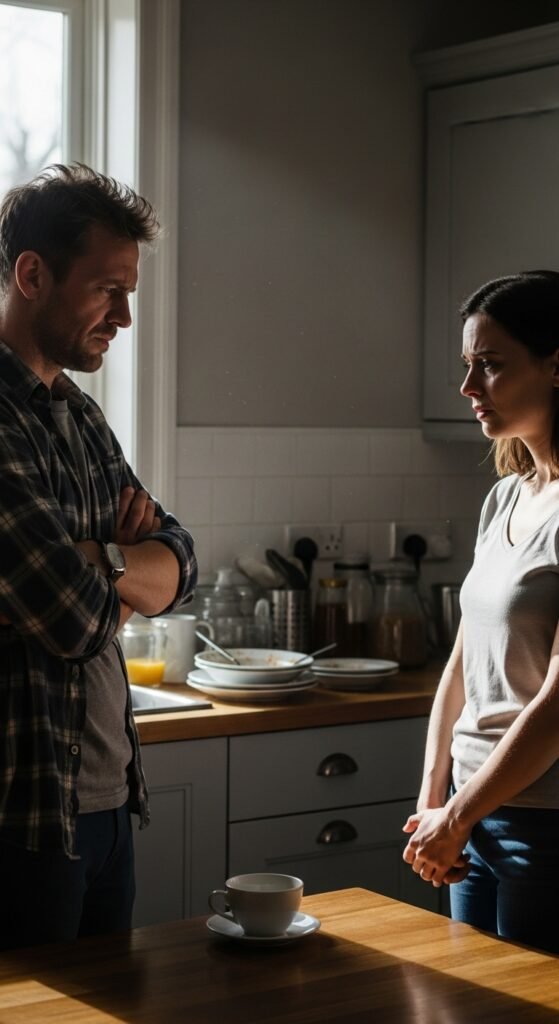
A husband who regrets marriage may externalize his dissatisfaction by blaming his spouse. You may notice increased criticism, defensiveness, or unfair fault-finding. This behavior often comes from unresolved inner conflict rather than your actual actions.
He Avoids Talking About the Future Together

When someone regrets marrying, future planning can feel uncomfortable or pointless. He may shut down conversations about long-term goals, retirement, travel, or even next-year plans. Avoidance of the future often reflects uncertainty about stayingHe Seems Happier Away From Home
If he appears lighter, more relaxed, or more engaged when he’s not around you, it may signal emotional discomfort within the marriage. Home should feel like a place of safety. When it doesn’t, regret may be playing a role.
Your Emotional Needs Are Consistently Dismissed
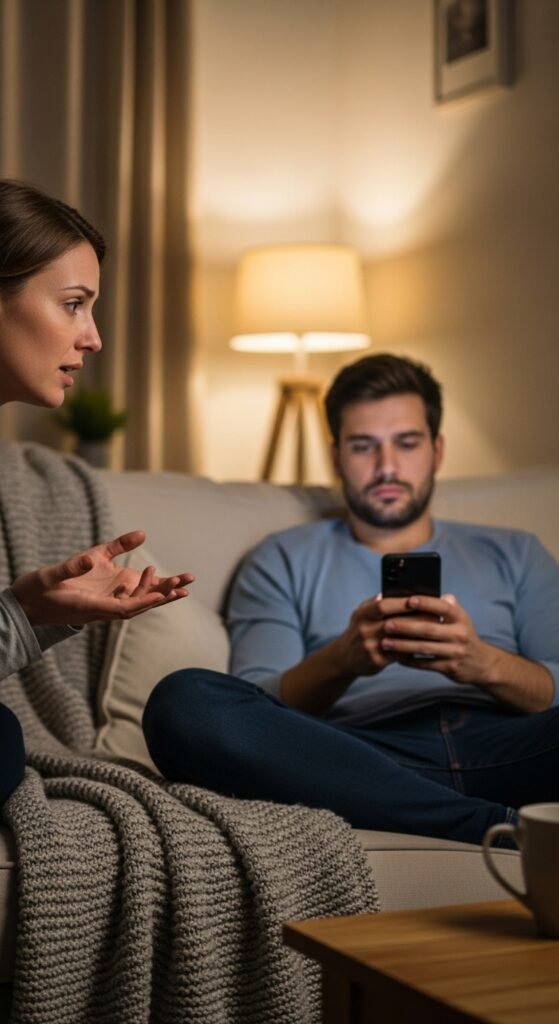
Repeatedly minimizing your feelings, avoiding serious conversations, or making you feel “too sensitive” can indicate emotional disengagement. Regret often leads to indifference, where one partner stops caring about the other’s emotional well-being.
Conclusion

Not every unhappy moment in marriage means regret, but ongoing emotional distance, avoidance, and indifference deserve attention. Recognizing these signs isn’t about assigning blame it’s about seeking clarity and emotional honesty. Whether the path forward involves healing, counseling, or difficult decisions, awareness is the first step toward self-respect and emotional well-being.